
Anúncios
Modern fashion is evolving beyond aesthetics, embracing sustainability and performance. Merino wool and eco-performance fabrics are revolutionizing how we dress, offering exceptional comfort while protecting our planet. 🌍
The Revolution in Sustainable Fashion Fabrics
The fashion industry stands at a crossroads. As consumers become increasingly aware of environmental impacts, the demand for sustainable materials has skyrocketed. Traditional synthetic fabrics, while affordable and accessible, contribute significantly to microplastic pollution and carbon emissions. Enter merino wool and eco-performance fabrics—materials that prove sustainability and luxury aren’t mutually exclusive.
Anúncios
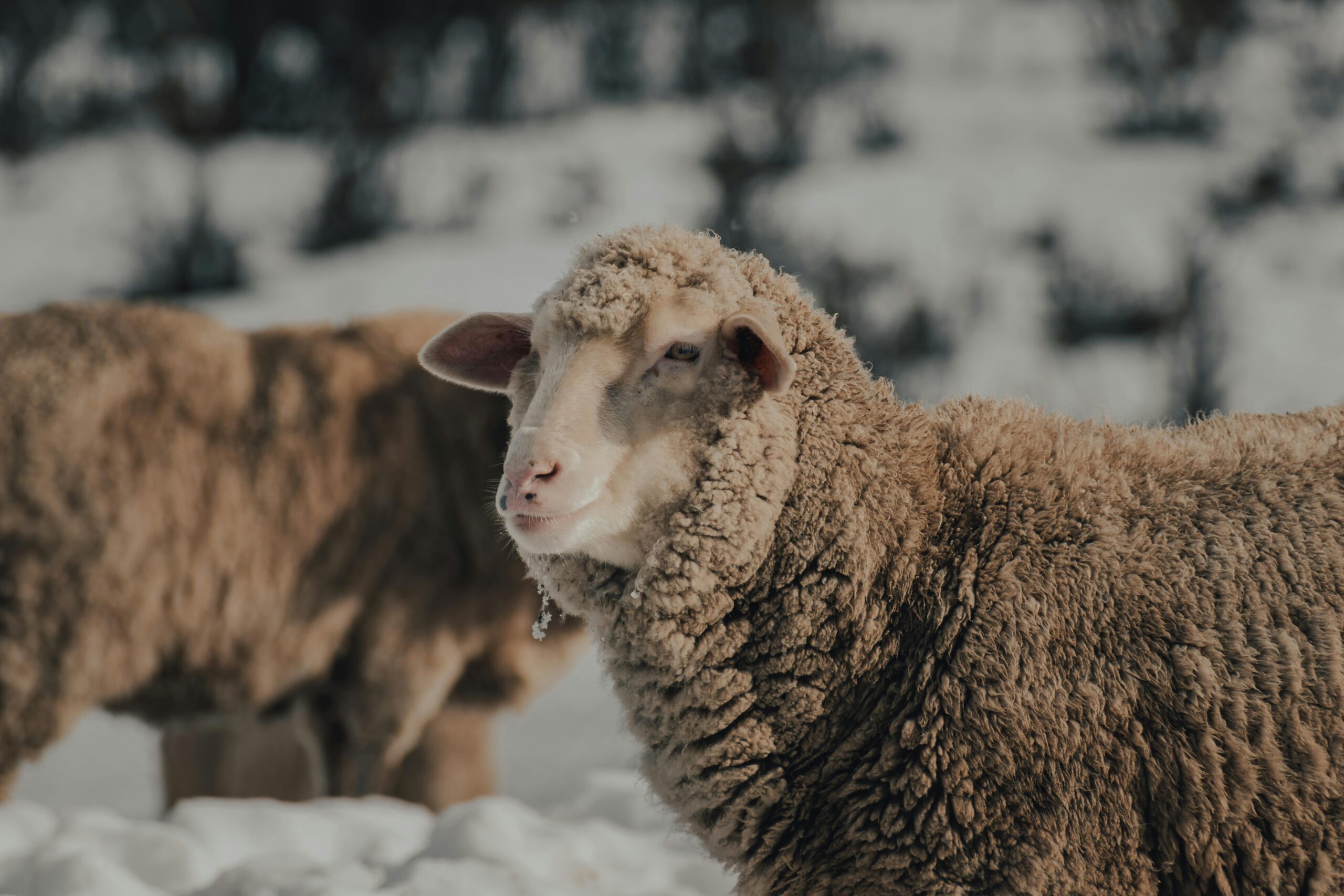
Merino wool, sourced from merino sheep primarily raised in New Zealand and Australia, represents nature’s original performance fabric. Unlike conventional wool, merino fibers are incredibly fine, typically measuring less than 24 microns in diameter. This fineness creates a soft, non-itchy texture that feels luxurious against skin while maintaining wool’s legendary thermal regulation properties.
Eco-performance fabrics encompass a broader category of materials engineered with environmental consciousness. These include recycled polyester made from plastic bottles, Tencel derived from sustainably harvested eucalyptus, hemp blends, organic cotton innovations, and bio-based synthetics. Together with merino wool, they’re reshaping wardrobes worldwide.
Anúncios
Why Merino Wool Deserves a Place in Every Closet
Merino wool isn’t just another fabric—it’s a multifunctional marvel that addresses numerous wardrobe challenges simultaneously. Understanding its unique properties helps explain why discerning consumers and outdoor enthusiasts alike consider it indispensable.
Temperature Regulation That Adapts to You ☀️❄️
Merino wool’s crimped fiber structure creates millions of tiny air pockets that trap warm air when it’s cold and release heat when temperatures rise. This natural thermoregulation means a single merino garment can keep you comfortable across surprisingly varied conditions. Whether you’re commuting on a chilly morning or warming up throughout the day, merino adjusts with you rather than against you.
The fabric’s breathability comes from its ability to absorb up to 30% of its weight in moisture vapor without feeling damp. This moisture moves away from your skin and evaporates from the fabric’s outer surface, preventing that clammy feeling synthetic fabrics often create during physical activity or temperature fluctuations.
Natural Odor Resistance
Perhaps merino wool’s most celebrated feature is its ability to resist odors. The fiber’s keratin protein structure naturally breaks down odor-causing bacteria before they can multiply. This means merino garments can be worn multiple times between washes without developing unpleasant smells—a game-changer for travelers, minimalists, and anyone seeking to reduce laundry frequency.
This odor resistance isn’t just convenient; it’s environmentally significant. Fewer washes mean reduced water consumption, energy use, and detergent pollution. A merino wool base layer might be worn five to seven times between washes, whereas synthetic alternatives typically require washing after each use.
Durability Meets Sustainability
Quality merino wool garments, when properly cared for, can last for years. The fibers possess natural elasticity, allowing them to bend over 20,000 times without breaking—far exceeding cotton’s capabilities. This resilience translates to garments that maintain their shape, resist pilling, and withstand regular wear without degrading quickly.
When merino wool garments eventually reach end-of-life, they biodegrade naturally, returning nutrients to soil rather than contributing to landfill overflow. This circular lifecycle contrasts sharply with synthetic materials that can persist in environments for hundreds of years.
Eco-Performance Fabrics: Innovation Meets Responsibility
Beyond merino wool, the textile industry has developed numerous eco-performance fabrics that combine functionality with environmental stewardship. Understanding these materials empowers better purchasing decisions.
Recycled Polyester: Giving Plastic New Purpose ♻️
Recycled polyester transforms plastic bottles and post-consumer waste into functional fabric. This process diverts plastic from oceans and landfills while requiring significantly less energy than producing virgin polyester. Modern recycling technologies have improved quality substantially, making recycled polyester virtually indistinguishable from new material in performance and appearance.
High-quality recycled polyester maintains excellent moisture-wicking properties, dries quickly, and offers durability for activewear and everyday clothing. Brands committed to sustainability now commonly incorporate 50-100% recycled content in their polyester garments.
Tencel and Lyocell: Tree-to-Fabric Innovation
Tencel (a branded form of lyocell) represents a breakthrough in sustainable fabric production. Made from wood pulp, typically eucalyptus, through a closed-loop process that recycles 99% of solvents used, Tencel combines environmental responsibility with exceptional comfort.
The fabric drapes beautifully, resists wrinkles, and feels silky against skin. Its moisture management rivals synthetic performance fabrics, making it ideal for everything from dress shirts to activewear. The eucalyptus trees used require minimal water and no pesticides, growing on land unsuitable for food crops.
Hemp: The Underestimated Powerhouse 🌱
Hemp fabric comes from one of Earth’s most sustainable crops. Hemp plants grow rapidly, require little water, naturally resist pests without pesticides, and actually improve soil health. The resulting fabric is incredibly durable, breathable, and becomes softer with each wash while maintaining structural integrity.
Modern processing techniques have eliminated hemp’s historically rough texture, creating blends that combine hemp’s sustainability and strength with the softness of organic cotton or the stretch of elastane.
Building a Sustainable Capsule Wardrobe
Integrating merino wool and eco-performance fabrics into your wardrobe doesn’t require complete replacement. Strategic additions create a foundation of versatile, sustainable pieces that reduce overall consumption while improving daily comfort.
Essential Merino Wool Pieces
- Base layers: Merino underlayers regulate temperature across seasons, perfect for layering or wearing alone
- T-shirts and long-sleeves: Versatile staples that transition from casual to smart-casual effortlessly
- Sweaters and cardigans: Elegant pieces that provide warmth without bulk
- Socks: Game-changing comfort that eliminates foot odor and regulates temperature
- Activewear: Performance-driven pieces for hiking, running, or yoga
Eco-Performance Fabric Staples
- Recycled polyester jackets: Weather-resistant outerwear with reduced environmental impact
- Tencel dress shirts and blouses: Professional attire that breathes and moves naturally
- Hemp-blend pants: Durable everyday trousers that improve with age
- Organic cotton basics: Soft fundamentals free from pesticide residues
- Bio-based athletic wear: High-performance gear with lower carbon footprints
Care and Maintenance for Longevity
Proper care extends the life of sustainable fabrics, maximizing their environmental benefits. These materials often require less maintenance than conventional fabrics, but specific practices optimize their longevity.
Merino Wool Care Guidelines
Contrary to popular belief, merino wool is relatively low-maintenance. Air it out between wears to take advantage of its natural odor resistance. When washing becomes necessary, use cold water on gentle cycles with wool-specific or mild detergent. Avoid fabric softeners, which can coat fibers and reduce their natural properties.
Lay flat or hang to dry rather than using machine dryers, which can cause shrinkage. Many merino garments can be spot-cleaned instead of fully washed, further extending time between full launderings. Store folded rather than hung to prevent stretching, especially for heavier items like sweaters.
Caring for Eco-Performance Fabrics
Most eco-performance fabrics tolerate machine washing well. Use cold water to conserve energy and prevent degradation. Skip fabric softeners with moisture-wicking materials, as these products can clog the fabric structure responsible for performance properties.
Air-drying extends fabric life and saves energy. If machine drying is necessary, use low heat settings. Consider using guppyfriend bags or similar products when washing synthetic materials to capture microfibers that might otherwise enter waterways.
The Economics of Sustainable Quality
Premium sustainable fabrics typically carry higher upfront costs than conventional alternatives. However, evaluating cost-per-wear rather than initial price reveals their true value proposition.
A quality merino wool shirt priced at $80 might seem expensive compared to a $20 conventional cotton alternative. However, if the merino shirt lasts three years with weekly wear (approximately 150 wears) while the cotton shirt lasts one year with similar frequency (50 wears before degradation), the cost-per-wear becomes $0.53 versus $0.40—much closer than initial prices suggest.
Factor in reduced washing frequency, lower water and energy bills, fewer replacements, and enhanced comfort, and sustainable fabrics often prove more economical over their lifecycle. They also maintain resale value better, supporting circular fashion economy participation.
Environmental Impact: Beyond the Label 🌿
Understanding the broader environmental context helps appreciate why fabric choices matter. The fashion industry accounts for approximately 10% of global carbon emissions and 20% of industrial water pollution. Textile production and garment care contribute significantly to these figures.
Merino wool and eco-performance fabrics address multiple environmental concerns simultaneously:
- Reduced microplastic pollution: Natural fibers biodegrade; recycled synthetics repurpose existing plastics
- Lower carbon emissions: Sustainable production methods and extended garment lifespans reduce overall footprint
- Water conservation: Less frequent washing and water-efficient production processes
- Chemical reduction: Organic and responsibly sourced materials minimize toxic pesticides and dyes
- Biodiversity protection: Sustainable farming practices preserve ecosystems
Recognizing Quality and Authenticity
As demand for sustainable fabrics grows, so does greenwashing—misleading marketing that exaggerates environmental benefits. Discerning consumers should look for specific certifications and transparency indicators.
Trustworthy Certifications
- ZQ Merino: Ensures ethical animal welfare and environmental land management
- Responsible Wool Standard (RWS): Certifies progressive land management and animal welfare
- Global Recycled Standard (GRS): Verifies recycled content and responsible production
- OEKO-TEX: Tests for harmful substances in textiles
- bluesign: Comprehensive system for sustainable textile production
- Fair Trade: Ensures ethical labor practices
Brands committed to genuine sustainability typically provide transparent supply chain information, detailing fiber sources, production methods, and environmental initiatives. Vague claims without supporting evidence warrant skepticism.
Styling Sustainable Fabrics for Every Occasion 👔
Sustainable doesn’t mean sacrificing style. Merino wool and eco-performance fabrics offer versatility for diverse settings and aesthetics.
For professional environments, Tencel dress shirts and blouses provide polished appearance with superior comfort during long workdays. Merino wool blazers and cardigans layer elegantly while maintaining temperature regulation in climate-controlled offices. Hemp-blend trousers offer structure and durability appropriate for business settings.
Casual wear benefits enormously from these materials. Merino t-shirts become wardrobe workhorses, pairing with jeans, shorts, or layered under jackets. Recycled polyester fleeces provide cozy comfort for weekend errands. The natural drape of Tencel makes it ideal for relaxed dresses and comfortable loungewear.
Athletic and outdoor activities represent these fabrics’ original domain. Merino base layers excel in hiking, skiing, and running. Recycled synthetic blends offer moisture management for intense workouts. The combination of performance and sustainability means you needn’t compromise either priority.
The Future of Sustainable Fashion
Innovation continues accelerating in sustainable textile development. Emerging technologies promise even more impressive eco-performance fabrics: lab-grown leather alternatives, mushroom-based materials, spider silk proteins produced through fermentation, and fully compostable synthetic-performance hybrids.
Consumer choices drive market evolution. Every purchase represents a vote for the fashion industry you want to support. Choosing merino wool and eco-performance fabrics signals demand for sustainability, encouraging broader industry transformation.
The convergence of sustainability, performance, and style isn’t a passing trend—it represents fashion’s necessary evolution. As production methods improve and scale increases, these premium materials will become increasingly accessible, potentially becoming the standard rather than the alternative.
Making the Transition: Practical First Steps
Transforming your wardrobe toward sustainability need not happen overnight. Gradual, intentional changes create lasting impact without overwhelming budgets or closets.
Start by assessing current wardrobe gaps. Which pieces require frequent replacement? What garments serve multiple purposes? Prioritize replacing these items with sustainable alternatives, maximizing return on investment. A versatile merino wool cardigan that works for office, casual, and travel contexts offers more value than specialty items with limited applications.
Research brands aligning with your values and budget. Many companies now offer entry-level sustainable options alongside premium collections. Sign up for newsletters to catch sales, making quality more affordable. Consider secondhand markets—pre-owned merino wool and quality eco-fabrics often retain excellent condition at reduced prices.
Practice mindful consumption by asking key questions before purchasing: Will I wear this regularly? Does it work with existing wardrobe pieces? Can it serve multiple purposes? Is the quality sufficient for long-term use? These considerations prevent impulse purchases that ultimately waste resources regardless of material sustainability.
Embracing Comfort Without Compromise 💚
The intersection of sustainability and performance represents more than environmental responsibility—it’s about elevating daily experience. Merino wool and eco-performance fabrics deliver tangible benefits: all-day comfort, reduced maintenance, versatile functionality, and confidence that your choices align with your values.
These materials prove that sustainable fashion needn’t involve sacrifice. The soft touch of merino against skin, the elegant drape of Tencel, the resilient comfort of hemp blends—these aren’t compromises but upgrades. They represent what fashion becomes when we demand more: more responsibility, more quality, more thoughtfulness.
Your wardrobe tells a story about priorities and values. Choosing merino wool and eco-performance fabrics writes a narrative of conscious consumption, quality over quantity, and belief that style and sustainability enhance rather than contradict each other. This isn’t just about looking good—it’s about feeling good in every sense, knowing your clothing choices contribute to positive change.
The revolution in sustainable fashion fabrics offers an invitation: to dress better, live more comfortably, and participate in creating a more responsible industry. Whether you start with a single merino wool t-shirt or commit to a complete wardrobe overhaul, each choice matters. The future of fashion is already here, woven into every fiber of merino wool and eco-performance fabric—ready to elevate your wardrobe and your impact. 🌟
