
Anúncios
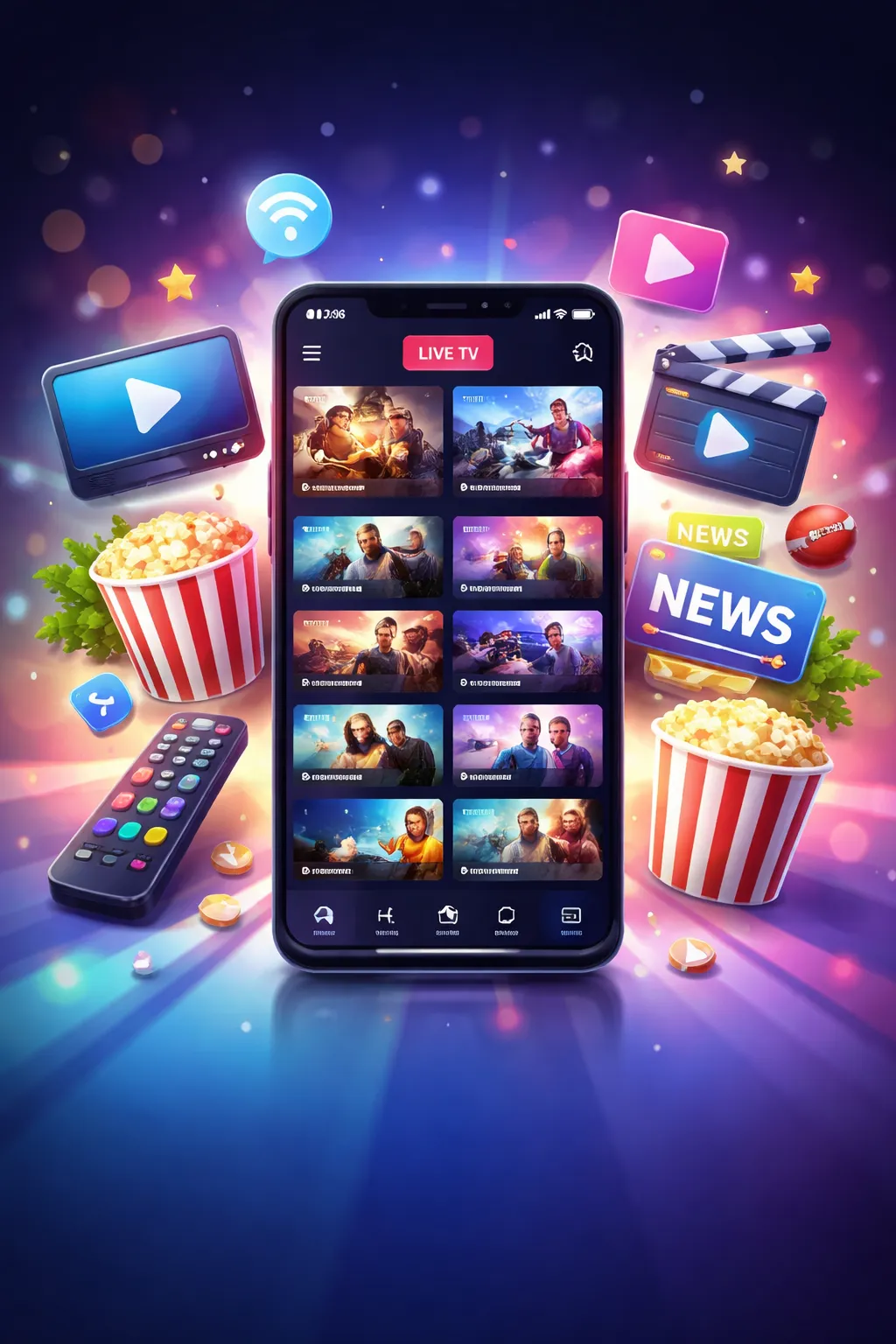
Gone are the days when watching your favorite shows meant being glued to your living room couch. Today, live TV follows you everywhere. Stream Live TV Anywhere, Anytime

The digital revolution has transformed how we consume television content, breaking the chains that once tied us to traditional broadcast schedules and bulky cable boxes.
Anúncios
Whether you’re commuting to work, waiting at a café, or traveling across continents, your favorite live channels are just a tap away on your smartphone, tablet, or laptop.
This seamless access to live television represents more than just technological convenience—it’s a fundamental shift in how we experience media.
Anúncios
From breaking news to live sports, award shows to reality TV finales, you no longer need to worry about missing those crucial moments that everyone will be talking about tomorrow.
🌍 The Evolution of Mobile Television Streaming
The journey from traditional television to mobile streaming has been nothing short of revolutionary. What started as experimental technologies has now become the primary way millions of people consume live content daily.
Streaming technology has matured dramatically over the past decade. Early attempts at mobile TV were plagued by buffering issues, poor video quality, and limited channel selection. Today’s streaming platforms offer crystal-clear HD and even 4K quality, with minimal lag and extensive channel lineups that rival or exceed traditional cable packages.
The infrastructure supporting this transformation includes advanced content delivery networks, improved compression algorithms, and the widespread rollout of high-speed mobile internet. 5G technology is further accelerating this trend, making high-quality live streaming accessible even in previously challenging environments.
📱 Popular Platforms That Bring TV Everywhere
Numerous streaming services have emerged to meet the growing demand for portable live television. Each platform offers unique features, channel selections, and pricing structures designed to appeal to different audience segments.
Services like YouTube TV, Hulu + Live TV, and Sling TV have become household names in the cord-cutting revolution. These platforms aggregate dozens or even hundreds of live channels, including local broadcasts, sports networks, news channels, and entertainment programming. They function much like traditional cable but deliver content over the internet rather than through coaxial cables.
International viewers benefit from region-specific services that cater to local content preferences. BBC iPlayer serves UK audiences, while services like 9Now and 7Plus dominate in Australia. This global proliferation of streaming platforms means that no matter where you are, there’s likely a service designed specifically for your regional content needs.
Specialized Sports Streaming Services ⚽
Sports enthusiasts have particularly benefited from the mobile TV revolution. Dedicated sports streaming platforms like ESPN+, DAZN, and FuboTV focus specifically on delivering live sporting events to viewers wherever they may be.
These services have transformed how fans follow their favorite teams and athletes. No longer confined to sports bars or home viewing, fans can now watch crucial matches during lunch breaks, catch up on games while traveling, or follow multiple competitions simultaneously on different devices.
The interactive features offered by many sports streaming platforms add value beyond simple broadcast replication. Real-time statistics, multiple camera angles, instant replays, and social integration create an enhanced viewing experience that traditional broadcasts struggle to match.
💡 Technical Requirements for Seamless Streaming
While the promise of live TV anywhere sounds appealing, ensuring a quality viewing experience requires understanding some technical fundamentals. Your streaming quality depends on several interconnected factors that work together to deliver smooth, uninterrupted content.
Internet speed stands as the most critical factor. Most streaming services recommend minimum speeds between 3-25 Mbps depending on desired quality. Standard definition content typically requires 3-5 Mbps, while HD streaming demands 5-10 Mbps, and 4K ultra-high-definition streams need 25 Mbps or higher.
Device capability also plays an important role. Modern smartphones and tablets generally handle streaming without issues, but older devices may struggle with higher quality streams or exhibit excessive battery drain during extended viewing sessions.
Managing Data Consumption 📊
One practical consideration for mobile TV viewing involves data usage. Streaming live television can consume significant amounts of data, potentially exhausting mobile data allowances quickly without proper management.
An hour of standard definition streaming typically uses approximately 1 GB of data, while HD streaming can consume 3 GB or more per hour. Ultra-high-definition 4K streams can devour 7 GB hourly. These numbers add up quickly for regular viewers, making unlimited data plans or strategic Wi-Fi usage essential for frequent mobile TV consumption.
Many streaming apps offer quality settings that allow users to balance visual fidelity against data consumption. Selecting lower quality options when viewing on smaller screens or using mobile data, then switching to higher quality when connected to Wi-Fi, represents a practical compromise.
🔐 Navigating Geographic Restrictions
Content licensing agreements create geographic boundaries that can frustrate travelers and expatriates trying to access their usual programming. Television networks and streaming services often restrict content availability based on viewer location, implementing what’s known as geo-blocking.
These restrictions exist because content rights are typically sold on a regional basis. A network may have exclusive broadcasting rights in one country but not another, leading to different content libraries across borders. Live sports events particularly face complex geographic restrictions due to intricate broadcasting agreements.
Virtual Private Networks (VPNs) have become popular tools for circumventing geographic restrictions, though their use occupies a legal gray area. While VPNs themselves are legal in most jurisdictions, using them to access geo-restricted content may violate streaming service terms of service. Users should carefully consider these implications before employing VPNs for content access.
🎯 Choosing the Right Service for Your Needs
The abundance of streaming options can feel overwhelming when trying to select the most appropriate service. Understanding your viewing preferences, budget constraints, and technical requirements helps narrow the field to services that genuinely match your needs.
Start by identifying which channels and programming types matter most to you. Sports fans should prioritize services with comprehensive sports channel lineups, while news junkies might favor platforms offering multiple news networks. Entertainment-focused viewers should evaluate the breadth of general entertainment channels available.
Price comparisons require looking beyond base subscription costs. Consider whether cloud DVR functionality costs extra, how many simultaneous streams the service allows, and whether local channels are included or available as add-ons. Some services offer multiple tier options, with basic packages providing fewer channels at lower prices and premium packages including extensive channel lineups.
Trial Periods and Flexibility 🔄
Most streaming services offer free trial periods ranging from three days to one month. These trials provide valuable opportunities to test service quality, evaluate channel selection, and assess user interface design before committing financially.
Unlike traditional cable contracts that often lock subscribers into annual agreements, streaming services typically operate on month-to-month subscriptions. This flexibility allows users to subscribe during seasons when preferred content airs, then cancel during off-periods, potentially saving significant money compared to year-round subscriptions.
Some savvy viewers rotate between services, subscribing to different platforms in different months to access varied content libraries while maintaining a consistent monthly entertainment budget.
📺 Enhancing Your Mobile Viewing Experience
Several strategies and accessories can significantly improve the mobile television viewing experience, transforming casual viewing into something approaching traditional TV quality.
Screen size limitations represent one challenge of mobile viewing. While smartphones offer unmatched portability, their small screens don’t always provide ideal viewing experiences, especially for visually complex content like sports or action movies. Tablets offer a middle ground, providing larger displays while maintaining reasonable portability.
Casting technology bridges the gap between mobile convenience and big-screen viewing. Devices like Chromecast, Apple TV, and Amazon Fire Stick allow you to stream content from your phone or tablet to your television. This capability means you can use mobile apps to access content while enjoying traditional television screen sizes when at home or in hotel rooms.
Audio Considerations 🎧
Audio quality often receives less attention than video quality but significantly impacts viewing enjoyment. Built-in smartphone and tablet speakers typically deliver mediocre audio that can detract from the viewing experience, particularly in noisy environments.
Quality headphones or earbuds dramatically improve audio clarity and allow for immersive viewing in public spaces without disturbing others. Wireless Bluetooth options provide freedom of movement without cable tangles, though wired connections eliminate potential audio lag that sometimes affects Bluetooth streaming.
For home viewing, connecting mobile devices to external speakers or soundbars through Bluetooth or auxiliary cables can approximate traditional television audio quality, creating a more cinematic experience.
🌟 The Future of Portable Live Television
Technological advancement continues reshaping the live TV streaming landscape, with several emerging trends promising to further enhance how we consume live content on the go.
Artificial intelligence and machine learning are beginning to personalize streaming experiences in sophisticated ways. Future platforms will likely offer smarter content recommendations, automatically suggesting live programming based on viewing history, time of day, and even current mood indicators.
Augmented reality features may soon overlay additional information onto live broadcasts, providing real-time statistics during sports events, actor biographies during movies, or contextual information during news broadcasts. These enhanced viewing experiences could make mobile streaming preferable to traditional TV even when both options are available.
The continued rollout of 5G networks promises to eliminate many current limitations of mobile streaming. Ultra-low latency and consistently high speeds will enable truly seamless 4K streaming anywhere coverage exists, making mobile viewing quality indistinguishable from home broadband connections.
💰 Cost Comparisons with Traditional Cable
Financial considerations often drive the decision to adopt streaming services over traditional cable or satellite television. Understanding the true cost comparison requires examining both obvious and hidden expenses associated with each option.
Traditional cable bills frequently include equipment rental fees, regional sports fees, broadcast TV fees, and various other surcharges that inflate base package prices. The final monthly bill often significantly exceeds advertised rates, sometimes reaching $150-200 or more for comprehensive channel packages.
Streaming services typically present more transparent pricing, with advertised rates closely matching actual charges. A comprehensive streaming setup might include 2-3 different services to replicate a full cable channel lineup, but the combined cost usually remains below traditional cable prices while offering superior flexibility and mobility.
Hidden Savings Beyond Subscription Costs 💵
Beyond subscription fees, streaming offers additional savings opportunities that further improve its value proposition. Eliminating equipment rental fees for cable boxes saves $10-20 monthly per box, adding up to significant savings over time.
Installation fees and service call charges that cable companies impose disappear with streaming services. Internet-based streaming requires no technician visits for setup or troubleshooting, and users can independently resolve most issues through app reinstallation or device restarts.
The ability to watch content anywhere also reduces expenses in unexpected ways. Travelers no longer need to pay hotel premium channel fees or feel disconnected from home programming while away. Students in dorm rooms or young professionals in small apartments can access full television lineups without additional cable installations.
🛡️ Security and Privacy Considerations
Streaming live television through internet-connected devices introduces security and privacy considerations that traditional cable viewing largely avoided. Understanding these issues helps protect personal information and maintain secure viewing experiences.
Streaming services collect substantial data about viewing habits, including what you watch, when you watch, how long you watch, and what you skip or abandon. This data informs content recommendations but also feeds advertising profiles and may be shared with third parties depending on service privacy policies.
Using public Wi-Fi networks for streaming introduces additional security risks. Unencrypted public networks allow potentially malicious actors to intercept data transmissions, including login credentials. When streaming on public Wi-Fi, using a reputable VPN service encrypts your connection, protecting sensitive information from interception.
Account security represents another important consideration. Using strong, unique passwords for streaming accounts and enabling two-factor authentication when available prevents unauthorized access that could lead to identity theft or fraudulent charges.
🎬 Live TV vs. On-Demand: Understanding the Difference
While this article focuses on live television streaming, understanding how live TV relates to on-demand content helps clarify service offerings and viewer options.
Live TV streaming replicates traditional broadcast television, delivering content in real-time as it airs. This format proves essential for time-sensitive content like sports, news, award shows, and season finales that viewers want to experience simultaneously with others for shared cultural moments and social media engagement.
On-demand streaming, exemplified by platforms like Netflix, Disney+, and HBO Max, offers pre-recorded content viewable at any time. While these services occasionally offer live events, their primary value lies in extensive libraries of movies and series available whenever viewers choose to watch.
Many comprehensive streaming services now offer both live channels and on-demand libraries, creating hybrid experiences that combine the immediacy of live broadcasting with the flexibility of time-shifted viewing. Cloud DVR features further blur these lines, allowing users to record live broadcasts for later viewing, essentially converting live content into personal on-demand libraries.
🚀 Getting Started with Mobile Live TV
Transitioning to mobile live television requires less technical expertise than many people assume. Following a few straightforward steps gets you streaming within minutes.
Begin by assessing your internet connectivity. Run speed tests on both your home Wi-Fi and mobile data connections to ensure they meet minimum requirements for your desired streaming quality. Most streaming services provide specific speed recommendations in their help sections.
Research available services that offer your desired channels. Most services provide detailed channel lineups on their websites, allowing comparison shopping before commitment. Pay attention to which services include local channels in your area, as availability varies by location.
Download apps for services offering free trials, testing multiple options to determine which interfaces you find most intuitive and which picture quality best meets your standards. During trials, test streaming in various locations and under different connection conditions to understand real-world performance.
Once you’ve selected a service, optimize your settings for your typical viewing conditions. Configure quality settings appropriately for mobile data versus Wi-Fi usage, set up parental controls if needed, and explore features like simultaneous streaming limits and cloud DVR capabilities.

✨ Embracing Television Freedom
The ability to watch live TV wherever you are represents more than technological advancement—it’s a fundamental expansion of personal freedom and lifestyle flexibility. No longer do important life events need to be scheduled around television programming, nor do work travels or vacations mean disconnection from favorite shows and real-time events.
This transformation has democratized access to content, making comprehensive television packages available to demographics previously excluded by cost or circumstance. Students, frequent travelers, and budget-conscious consumers now enjoy options that rival or exceed what was once available only to affluent households with premium cable packages.
As technology continues evolving, the distinction between “home television” and “mobile viewing” will likely disappear entirely. Content will simply exist in the cloud, accessible through whatever screen is most convenient at any given moment, whether that’s a 65-inch living room display or a 6-inch smartphone on a subway train.
The future of television is already here, streaming live to devices in pockets and bags around the world. Whether you’re catching breaking news during your morning commute, watching your team compete while traveling for work, or following award show red carpets from a café, live television has truly become a companion that goes wherever life takes you. The only question that remains is which service will accompany you on your journey.
