
Anúncios
The fashion industry stands at a crossroads where sustainability meets style, and the repair-first revolution is leading the charge toward a more conscious future.
🌍 Why Fast Fashion’s Days Are Numbered
Every year, millions of tons of clothing end up in landfills, creating an environmental crisis that can no longer be ignored. The traditional model of buying, wearing briefly, and discarding has proven unsustainable for both our planet and our wallets. The repair-first revolution offers a compelling alternative that challenges everything we thought we knew about fashion consumption.
Anúncios
This movement isn’t just about fixing torn seams or replacing buttons. It’s a fundamental shift in how we value our clothing, view craftsmanship, and participate in the fashion ecosystem. By prioritizing repair over replacement, we’re rediscovering the joy of long-lasting garments while dramatically reducing our environmental footprint.
The statistics paint a stark picture. The fashion industry produces approximately 10% of global carbon emissions and remains the second-largest consumer of water worldwide. Meanwhile, the average person throws away 70 pounds of clothing annually. These numbers reveal an urgent need for change, and repair-first thinking provides actionable solutions that anyone can implement immediately.
Anúncios
✨ The True Cost of Throwaway Culture
Understanding the repair-first revolution requires examining what we’re moving away from. Fast fashion has conditioned consumers to view clothing as disposable commodities rather than valuable investments. This mindset has created cascading problems affecting economic, environmental, and social systems globally.
When we discard repairable items, we’re not just wasting fabric. We’re dismissing the labor, water, energy, and resources invested in creating that garment. A single cotton t-shirt requires approximately 2,700 liters of water to produce—enough for one person to drink for two and a half years. Throwing away that shirt after minimal use represents tremendous waste.
Hidden Environmental Consequences
The environmental impact extends beyond production. Synthetic fabrics release microplastics into waterways with every wash, accumulating in oceans and entering food chains. Textile dyes pollute rivers near manufacturing facilities, affecting communities and ecosystems. Transportation of fast fashion items across continents generates substantial carbon emissions.
Landfills overflow with textile waste that takes decades or centuries to decompose. As these materials break down, they release methane—a greenhouse gas significantly more potent than carbon dioxide. The repair-first approach directly addresses these issues by extending garment lifespans and reducing the demand for new production.
🔧 Repair as a Revolutionary Act
Choosing repair over replacement represents more than practical frugality. It’s a statement of values that prioritizes quality, sustainability, and intentional consumption. This revolution reclaims skills that previous generations considered essential but which modern convenience culture has nearly erased.
Learning basic repair techniques empowers individuals to take control of their wardrobes. Simple skills like sewing buttons, mending small tears, or replacing zippers can extend a garment’s life by years. These capabilities transform our relationship with clothing from passive consumption to active stewardship.
Building a Repair Mindset
Developing a repair-first mentality starts with viewing damage differently. Instead of seeing a stain or tear as grounds for disposal, consider it an opportunity for creative problem-solving. Visible mending techniques like Japanese boro or sashiko transform repairs into beautiful design elements that add character and uniqueness.
This mindset shift affects purchasing decisions too. When you know you’ll repair items, you naturally gravitate toward better-quality pieces worth maintaining. Investment in durable clothing becomes logical rather than extravagant, as these pieces deliver years of service with proper care.
💡 Practical Steps Toward Repair-First Living
Transitioning to a repair-first approach doesn’t require radical lifestyle changes. Small, consistent actions accumulate into significant impact over time. Here’s how to begin incorporating these principles into your fashion habits effectively.
- Assess your current wardrobe and identify items needing minor repairs
- Invest in a basic sewing kit with needles, thread, scissors, and buttons
- Learn fundamental techniques through online tutorials or community workshops
- Establish relationships with local tailors and repair specialists
- Set aside monthly time for wardrobe maintenance and repairs
- Choose quality over quantity when purchasing new items
- Support brands committed to durability and repairability
Essential Repair Skills Anyone Can Master
You don’t need expert-level sewing abilities to participate in the repair-first revolution. Several fundamental techniques address the majority of common clothing problems and can be learned in an afternoon.
Button replacement ranks among the simplest yet most valuable skills. Loose or missing buttons are leading causes of garment abandonment, despite being incredibly easy to fix. Threading a needle and securing a button takes mere minutes but can save a favorite shirt or coat from premature disposal.
Hemming fallen stitches represents another essential capability. Pants, skirts, and dresses frequently develop loose hems from normal wear. A basic slip stitch, nearly invisible when done correctly, restores the garment to perfect condition without professional intervention.
Patching small holes prevents them from expanding into irreparable damage. Whether using iron-on patches for quick fixes or hand-stitched fabric patches for durability, addressing holes promptly extends garment life significantly. Creative patching can even become a distinctive style element.
🎨 When Repair Becomes Art
The repair-first revolution has sparked renewed interest in decorative mending techniques that transform functional fixes into aesthetic statements. This artistic approach celebrates repair rather than hiding it, challenging stigmas around worn or mended clothing.
Visible mending celebrates the history embedded in our clothes. Each patch or darn tells a story about the garment’s journey and the wearer’s commitment to sustainability. These techniques align perfectly with contemporary desires for unique, personalized fashion that stands apart from mass-produced uniformity.
Traditional Techniques for Modern Times
Japanese boro, traditionally created from layers of patched indigo fabric, exemplifies how necessity breeds beauty. Originally born from poverty and fabric scarcity, boro has evolved into a celebrated aesthetic that inspires contemporary designers and conscious consumers alike. The technique’s philosophy—that repaired items gain value and beauty through use—perfectly encapsulates repair-first principles.
Sashiko, another Japanese technique, uses decorative running stitches to reinforce fabric and repair tears. The geometric patterns create striking visual interest while strengthening weak areas. Modern practitioners apply sashiko to everything from denim to knitwear, proving traditional methods adapt beautifully to contemporary wardrobes.
Embroidery offers endless possibilities for covering stains or holes while adding personalized decoration. A wine stain becomes the center of a floral design. A cigarette burn transforms into an embroidered star. These creative solutions demonstrate how limitations inspire innovation.
🛠️ Technology Meets Tradition
While repair-first principles draw heavily on traditional skills, modern technology enhances accessibility and education. Digital platforms connect repair enthusiasts, share techniques, and build communities around sustainable fashion practices.
Video tutorials make learning repair skills more accessible than ever. Detailed demonstrations allow beginners to follow along at their own pace, pausing and replaying sections as needed. This democratization of knowledge removes barriers that previously limited repair education to formal classes or apprenticeships.
Social media communities provide encouragement, inspiration, and problem-solving support. Hashtags like #visiblemending and #makeandmend connect thousands of practitioners sharing projects, tips, and motivation. This collective knowledge accelerates individual learning while building momentum for the broader movement.
Apps Supporting Sustainable Fashion
Several mobile applications now support repair-first lifestyles by connecting users with local repair services, providing tutorials, or facilitating clothing swaps and resale. These tools make sustainable fashion choices more convenient and accessible to wider audiences.
👗 Redefining Style Through Sustainability
The repair-first revolution fundamentally challenges conventional fashion narratives that equate style with constant novelty. Instead, it proposes that true style emerges from thoughtful curation, quality materials, and personal meaning—elements that repair culture naturally cultivates.
Timeless style resists the frenetic pace of trend cycles that drive overconsumption. Classic silhouettes, quality construction, and versatile pieces create wardrobes that remain relevant season after season. When items are built to last and maintained through repair, fashion becomes an expression of enduring values rather than fleeting impulses.
Personal style deepens when items carry history and meaning. The jacket you’ve owned for a decade, carefully maintained and occasionally repaired, communicates authenticity that new purchases cannot replicate. These garments become extensions of identity rather than disposable costumes.
Quality Indicators Worth Recognizing
Learning to identify quality construction helps inform purchasing decisions aligned with repair-first values. Several features distinguish well-made garments worth maintaining from poorly constructed items destined for premature failure.
| Quality Indicator | What to Look For | Why It Matters |
|---|---|---|
| Seam Construction | Even stitching, reinforced stress points, finished edges | Prevents unraveling and extends durability |
| Fabric Quality | Natural fibers, substantial weight, tight weave | Wears better, repairs easier, lasts longer |
| Button Attachment | Securely sewn with shank, reinforced backing | Prevents loss, indicates overall construction quality |
| Zipper Quality | Metal teeth, branded pulls, reinforced ends | Most reliable, repairable when issues arise |
🌱 Economic Benefits Beyond Environmental Impact
While environmental motivations drive many toward repair-first practices, the economic advantages prove equally compelling. Maintaining and repairing existing items costs significantly less than constant replacement, even when accounting for materials and professional services.
A quality coat might cost three times more than a fast fashion alternative, but lasting ten years instead of two makes it substantially more economical. Factor in repair costs for occasional button replacement or lining fixes, and the investment still delivers superior value while providing better quality and fit.
Repair skills themselves become valuable assets. Basic sewing abilities save hundreds annually on alterations and repairs. More advanced skills can even generate income through offering services to others, transforming a sustainability practice into an economic opportunity.
Supporting Local Economies
The repair-first revolution revitalizes local crafts and services. Tailors, cobblers, and alteration specialists benefit when consumers prioritize repair over replacement. These skilled trades, threatened by fast fashion’s dominance, experience renewed relevance and viability.
Community repair cafes and workshops create social infrastructure around sustainability. These spaces offer more than practical services—they build connections, share knowledge, and strengthen local resilience. Participants gain skills while contributing to community vitality.
🚀 Fashion Brands Embracing the Revolution
Progressive fashion companies increasingly recognize that sustainability isn’t just ethical—it’s good business. Brands incorporating repair services, offering spare parts, or designing for longevity attract consumers tired of disposable fashion’s empty promises.
Patagonia’s Worn Wear program exemplifies industry leadership in repair-first thinking. The company repairs customer items, sells refurbished pieces, and provides resources for DIY repairs. This approach builds customer loyalty while reducing environmental impact, demonstrating that profit and sustainability can align.
Nudie Jeans offers free repairs for life on their products, maintains repair shops in multiple cities, and provides free repair kits. By guaranteeing repairability, they signal confidence in product quality while encouraging customers to maintain rather than replace their denim.
These pioneering brands prove that repair-first principles work at commercial scale. Their success pressures competitors to adopt similar practices, gradually shifting industry norms toward sustainability and durability.
📚 Education as Foundation for Change
Widespread adoption of repair-first practices requires education at multiple levels. Individuals need accessible learning opportunities, while broader cultural change demands educational integration and policy support.
Schools incorporating basic sewing and repair into curricula equip future generations with practical skills while instilling values of resourcefulness and sustainability. These lessons counteract disposability mindsets formed by growing up in consumer culture, planting seeds for long-term behavioral change.
Public awareness campaigns highlighting fashion’s environmental impact motivate consumers to reconsider their habits. When people understand the true costs of their clothing choices, they’re more receptive to alternatives like repair-first approaches.
🌟 Your Personal Fashion Revolution Starts Now
The repair-first revolution doesn’t require waiting for systemic change or industry transformation. Individual actions create immediate impact while contributing to broader cultural shifts. Every repaired garment represents a small victory for sustainability, craftsmanship, and intentional living.
Start by examining your current wardrobe with fresh eyes. What items have you set aside due to minor damage? Which pieces would you wear regularly if they fit better or needed small fixes? These garments represent opportunities to practice repair-first principles while rediscovering forgotten favorites.
Commit to repairing at least one item this month. Choose something simple for your first project—a missing button, a loose hem, or a small tear. Experience the satisfaction of restoring functionality through your own effort. Notice how this simple act shifts your perspective on clothing value and personal capability.
Share your repair-first journey with others. Social influence powerfully shapes consumer behavior, and your visible commitment to sustainability might inspire friends, family, or social media followers to explore similar practices. Collective action amplifies individual efforts, building momentum for cultural transformation.
🎯 Building a Sustainable Fashion Future Together
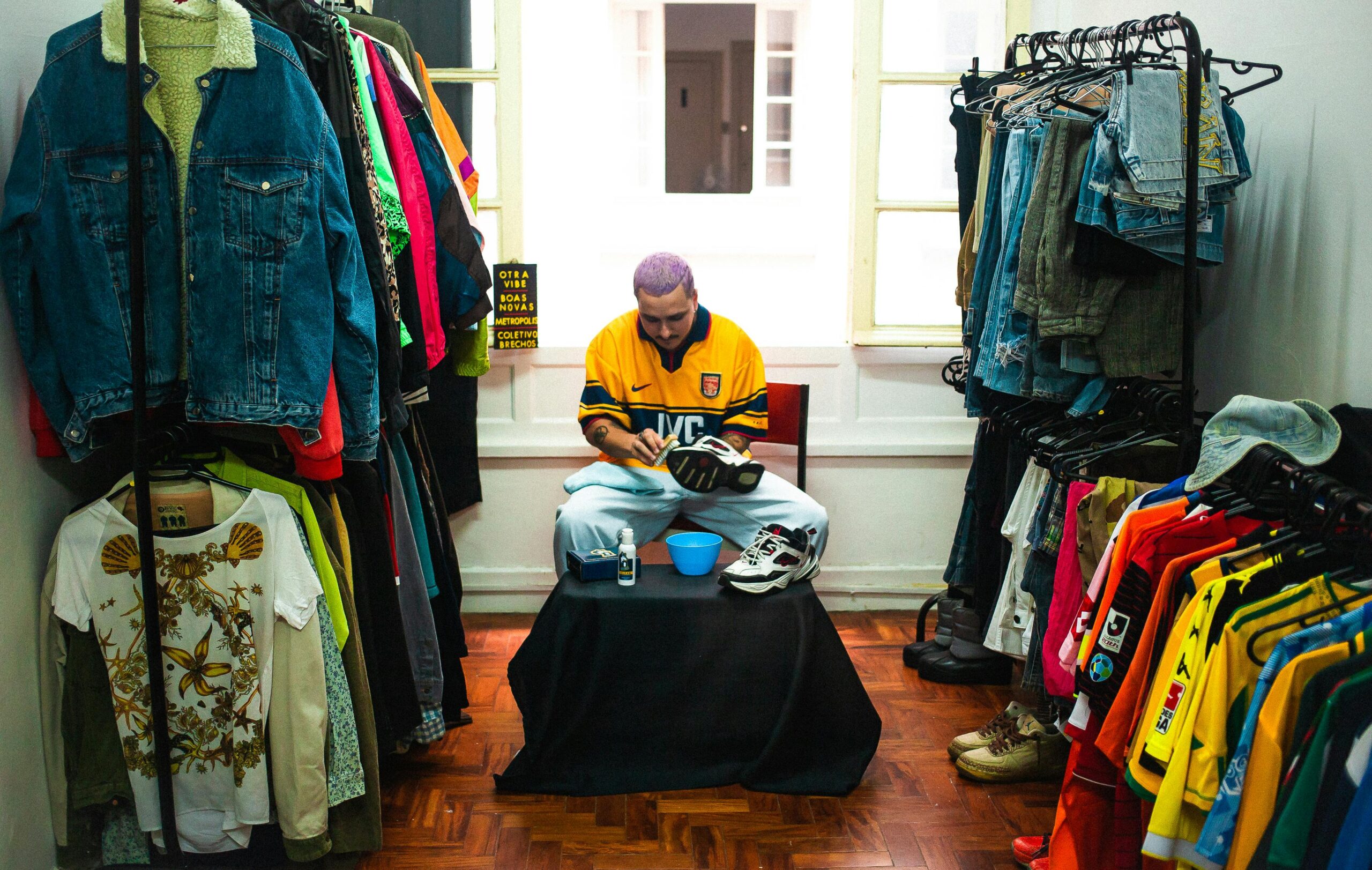
The repair-first revolution represents more than a trend—it’s a fundamental reimagining of our relationship with clothing, consumption, and creativity. By embracing repair, we reclaim agency over our wardrobes, reduce environmental harm, and rediscover the satisfaction of maintaining beautiful, functional items.
This movement challenges us to slow down, value quality, and invest in longevity over novelty. It connects us to traditional skills while leveraging modern technology and community support. Most importantly, it demonstrates that sustainable living doesn’t require sacrifice—it offers richer, more meaningful engagement with the objects that surround us daily.
Every stitch, patch, and repair contributes to a more sustainable future. These small actions accumulate into significant impact, transforming both individual wardrobes and broader fashion systems. The revolution begins with a single repaired garment and grows through consistent commitment to values that prioritize planet and craftsmanship over profit and convenience.
Fashion’s future lies not in endless consumption but in thoughtful curation, quality construction, and the simple revolutionary act of repairing what we already own. By embracing this approach, we don’t just change our closets—we participate in reshaping an entire industry toward sustainability, ethics, and timeless style that transcends fleeting trends.
