
Anúncios
The future of sustainable living is here, and it’s built on the powerful foundation of zero-waste principles combined with the collaborative spirit of shared living spaces. 🌱
As climate change accelerates and urban populations swell, traditional housing models are proving unsustainable both environmentally and economically. We’re consuming resources at an alarming rate, generating mountains of waste, and often living isolated lives despite being surrounded by millions of people. The solution? A revolutionary approach that merges zero-waste philosophies with communal living arrangements to create homes that are not just sustainable, but regenerative.
Anúncios
Zero-waste shared living represents more than just a housing trend—it’s a fundamental reimagining of how we inhabit spaces, consume resources, and build community. This innovative lifestyle model addresses multiple crises simultaneously: the environmental emergency, the housing affordability crisis, and the epidemic of social isolation plaguing modern societies.
Understanding Zero-Waste Shared Living: More Than Just Roommates 🏡
Zero-waste shared living goes far beyond traditional roommate situations or standard co-housing arrangements. It’s an intentional lifestyle choice where residents commit to minimizing waste production while sharing resources, spaces, and responsibilities in thoughtfully designed communal environments.
Anúncios
At its core, this model combines two powerful sustainability strategies. The zero-waste philosophy aims to eliminate trash sent to landfills by redesigning resource lifecycles, while shared living maximizes resource efficiency by pooling assets among multiple people. When these approaches merge, the environmental impact reduction becomes exponential rather than additive.
Residents in zero-waste shared homes typically share common areas like kitchens, living rooms, and sometimes even appliances and vehicles, while maintaining private sleeping quarters. The shared spaces become laboratories for sustainable innovation, where composting systems, bulk buying cooperatives, tool libraries, and repair workshops flourish naturally.
The Environmental Mathematics: Why Sharing Multiplies Sustainability ♻️
The environmental benefits of zero-waste shared living aren’t just theoretical—they’re quantifiable and impressive. When you examine the numbers, the case for this lifestyle becomes compelling.
Consider a typical household appliance like a washing machine. In a conventional living situation, a machine might run 3-4 times weekly, operating at perhaps 60% capacity efficiency. In a shared living arrangement with six residents practicing mindful consumption, that same machine runs more frequently but always at full capacity, serving six people instead of one or two. The per-capita energy consumption drops dramatically.
This efficiency principle extends across every dimension of resource use. Heating and cooling energy requirements per person decrease significantly when living spaces are shared. A communal kitchen eliminates the need for six refrigerators, six stoves, and six sets of cookware. Food waste plummets when residents coordinate meal planning and share bulk purchases.
Research from environmental science institutions suggests that shared living arrangements can reduce individual carbon footprints by 30-50% compared to living alone, and when combined with rigorous zero-waste practices, that number can climb even higher.
Financial Freedom Through Collaborative Consumption 💰
Beyond environmental benefits, zero-waste shared living offers remarkable financial advantages that make sustainable choices accessible to more people. Sustainability is often criticized as a luxury available only to the wealthy, but shared living democratizes green living.
Housing costs typically consume 30-50% of income in urban areas. Shared living immediately reduces this burden, often cutting housing expenses in half or more. But the savings extend far beyond rent. When six people share one Netflix subscription, one lawn mower, one high-quality vacuum cleaner, and one set of power tools, the per-person cost of these items becomes negligible.
Zero-waste practices complement these savings beautifully. Buying in bulk reduces per-unit costs while eliminating packaging waste. Repairing items instead of replacing them saves money while keeping objects out of landfills. Growing food in communal gardens provides fresh produce at minimal cost. These practices create a virtuous cycle where the sustainable choice is also the economical choice.
Many zero-waste shared living communities report that residents save 40-60% on living expenses compared to living alone conventionally, creating financial breathing room that can be redirected toward experiences, education, or building long-term security.
Building Community in an Age of Isolation 🤝
Perhaps the most undervalued benefit of zero-waste shared living is the social connection it cultivates. Modern life, despite its digital connectivity, has created unprecedented levels of loneliness and social fragmentation. We’re more “connected” than ever yet often profoundly isolated.
Shared living arrangements naturally create opportunities for meaningful interaction. Cooking together, maintaining shared spaces, troubleshooting composting systems, or simply relaxing in common areas fosters genuine relationships. These aren’t surface-level connections but bonds formed through collaboration toward shared goals.
The mental health benefits are substantial. Studies consistently show that strong social connections are among the most significant predictors of wellbeing and longevity. In zero-waste shared homes, residents develop support networks that can provide emotional sustenance during difficult times, practical help when needed, and the simple joy of companionship.
These communities also become incubators for skill-sharing and mutual learning. One resident might teach bread-making while another shares bicycle repair skills. Someone with sewing expertise can help others mend clothes, while a gardening enthusiast guides the communal food-growing project. This knowledge exchange enriches everyone involved.
Practical Implementation: Setting Up Your Zero-Waste Shared Home 🔧
Transitioning to zero-waste shared living requires thoughtful planning and clear communication, but it’s more accessible than many imagine. Whether you’re starting from scratch or converting an existing living situation, certain principles guide successful implementation.
Start with aligned values and clear agreements. Potential housemates should discuss their commitment levels to zero-waste practices, cleanliness standards, noise preferences, and conflict resolution approaches before moving in together. Written agreements clarifying expectations around shared expenses, chores, guest policies, and decision-making processes prevent future conflicts.
Essential Systems for Zero-Waste Success
Certain infrastructure elements make zero-waste living dramatically easier and more effective:
- Composting system: Whether a backyard bin, worm farm, or municipal green bin program, composting diverts organic waste from landfills while creating valuable soil amendments
- Bulk buying cooperative: Establishing relationships with bulk suppliers and coordinating purchases eliminates packaging while reducing costs
- Repair station: A designated area with basic tools for mending clothes, fixing electronics, and maintaining household items
- Shared inventory system: A clear method for tracking commonly used items to prevent over-purchasing
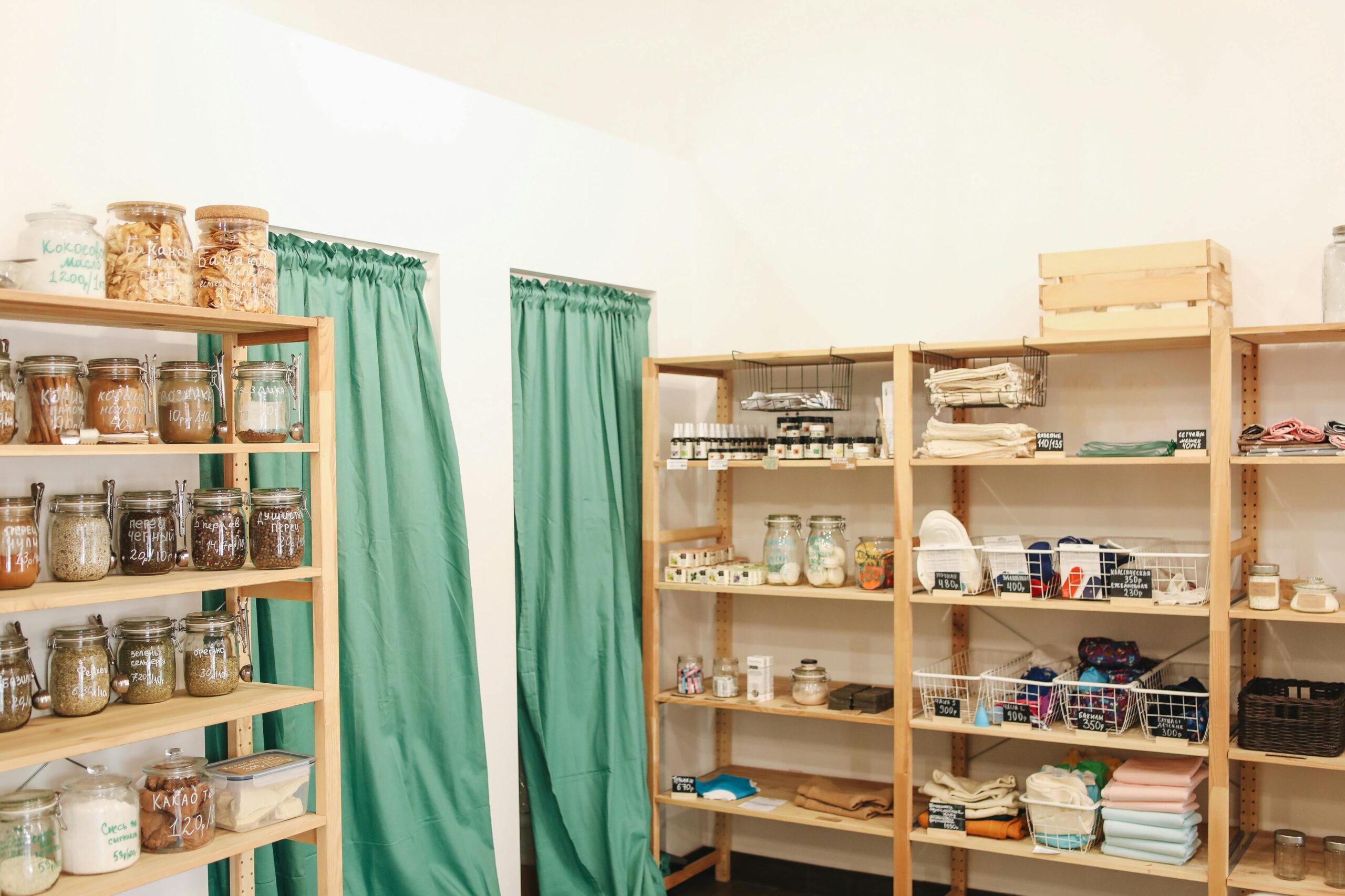
- Reusable container library: A collection of jars, bags, and containers for bulk shopping and food storage
- Tool sharing program: Shared access to infrequently used tools and equipment
Technology can facilitate coordination. Shared calendar apps help coordinate car usage, bulk shopping trips, and communal meals. Inventory management apps prevent duplicate purchases. Expense-splitting platforms ensure transparent, fair distribution of shared costs.
Overcoming Common Challenges and Misconceptions 🚧
Despite its benefits, zero-waste shared living faces skepticism and practical challenges that deserve honest examination. Addressing these concerns upfront helps potential residents make informed decisions.
Privacy concerns top most people’s hesitation list. The prospect of sharing space can feel overwhelming, especially for those accustomed to living alone. However, well-designed shared homes balance communal areas with private retreats. Many residents report that having both community access and personal sanctuary creates an ideal balance, offering connection when desired and solitude when needed.
Compatibility worries are valid—living with others does require compromise and communication skills. However, intentional communities that form around shared values tend to experience fewer conflicts than random roommate situations. When everyone commits to zero-waste principles and collaborative living, there’s built-in alignment that smooths daily interactions.
Some fear that zero-waste practices require excessive time and effort. While there’s a learning curve, established systems make sustainable living remarkably convenient. Batch cooking is often faster than cooking individually. Buying bulk once monthly is more efficient than weekly grocery trips. Many residents report that after initial setup, zero-waste shared living actually saves time compared to conventional living.
The Ripple Effect: How Individual Choices Create Systemic Change 🌊
Zero-waste shared living communities don’t exist in isolation—they catalyze broader transformation in surprising ways. When you embrace this lifestyle, you become part of a demonstration project showing others what’s possible.
These households often become neighborhood resources. Friends and neighbors notice the productive garden, the lack of trash bins at the curb, and the vibrant community gatherings. Curiosity leads to conversations, which lead to inspiration and replication. One zero-waste shared home in a neighborhood can spark a local movement.
Market impacts emerge as these communities grow. Increased demand for bulk goods without packaging encourages more stores to offer these options. Landlords and developers notice interest in shared living designs and begin creating appropriate housing stock. Policy makers see successful models and develop supportive regulations.
The educational value extends particularly to younger generations. Children who visit or live in zero-waste shared homes absorb sustainable practices as normal rather than exceptional. They develop different assumptions about consumption, community, and environmental responsibility that they’ll carry throughout their lives.
Diverse Models: Finding the Right Fit for Your Lifestyle 🎯
Zero-waste shared living isn’t one-size-fits-all. Various models exist to accommodate different needs, preferences, and life stages. Understanding options helps you find or create an arrangement that works for you.
Co-housing communities feature private residences clustered around extensive shared facilities. These planned neighborhoods might include communal kitchens, workshops, gardens, and gathering spaces while providing more privacy than typical shared houses. They work well for families wanting community connection while maintaining household independence.
Intentional shared houses bring together unrelated individuals or families committed to common values. These might be renovated single-family homes or purpose-built structures. Residents typically have private bedrooms or small apartments with extensive shared common areas. This model suits singles, couples without children, or those seeking deep community integration.
Eco-villages represent the most comprehensive approach, creating entire settlements designed around sustainability principles. These communities often include shared agriculture, renewable energy systems, ecological building techniques, and governance structures supporting zero-waste living at scale.
Mixed-model arrangements are increasingly common, where some residents live full-time in shared spaces while others maintain separate homes but participate in community activities, bulk buying cooperatives, tool libraries, and shared meals. This flexibility accommodates people at different comfort levels with communal living.
Technology and Innovation: Tools Accelerating the Movement 📱
While zero-waste shared living emphasizes reducing consumption, strategic technology use enhances coordination and effectiveness. Smart tools help communities operate smoothly while maintaining sustainability commitments.
Sharing economy platforms connect people with similar values who want to form zero-waste households. These specialized matching services go beyond typical roommate finders by filtering for sustainability commitment levels, lifestyle preferences, and community vision.
Resource tracking applications help households monitor consumption patterns, identify waste reduction opportunities, and measure progress toward zero-waste goals. Seeing concrete data on waste diverted from landfills or carbon emissions reduced provides motivation and validation.
Communication platforms designed for intentional communities facilitate the complex coordination these households require. Features for scheduling shared resources, organizing communal meals, managing shared expenses, and documenting decisions keep everyone informed and engaged.
Smart home technology, when thoughtfully implemented, can reduce resource consumption. Intelligent thermostats optimize heating and cooling efficiency. Energy monitoring systems identify consumption patterns worth adjusting. These tools support zero-waste goals when used strategically.
Taking the First Steps: Your Journey Begins Today 🚀
If zero-waste shared living resonates with you, beginning your journey doesn’t require radical immediate changes. Small steps build momentum toward transformative lifestyle shifts.
Start by examining your current living situation for sharing opportunities. Can you coordinate bulk buying with neighbors? Might friends be interested in creating a tool library? Could you organize a clothing swap or repair workshop? These experiments build skills and connections that prepare you for deeper commitment.
Educate yourself about zero-waste practices even before moving into a shared situation. Begin eliminating single-use plastics, composting, buying bulk, and repairing rather than replacing items. When you eventually join or create a zero-waste shared home, you’ll bring valuable experience and established habits.
Connect with existing communities in your area. Many regions have co-housing groups, intentional communities, or eco-village projects you can visit or join. Even if you’re not ready to commit, attending events and talking with residents provides invaluable insights into what works and what challenges to anticipate.
Consider starting small by proposing a shared living trial with friends who share your values. A six-month experiment in a shared rental teaches you about yourself, clarifies your preferences, and demonstrates whether this lifestyle suits you long-term. Many successful intentional communities began exactly this way.
Envisioning Tomorrow: The Future of Urban Living 🌆
Zero-waste shared living represents more than a niche lifestyle choice—it’s a glimpse of sustainable urban futures becoming increasingly necessary as environmental pressures intensify and resources grow scarcer. Cities embracing these models will be better positioned to thrive through coming challenges.
Forward-thinking urban planners and developers are already incorporating shared living principles into new construction projects. Buildings designed from inception to support communal living and zero-waste practices function more effectively than retrofitted spaces. Expect to see more purpose-built structures featuring shared kitchens, workshops, gardens, and composting facilities alongside private living areas.
Policy evolution will likely support these transitions. Some jurisdictions already offer incentives for co-housing developments or reduced regulatory barriers for shared living arrangements. As climate goals become more urgent, governments may actively encourage resource-efficient housing models through tax benefits, zoning changes, or direct support.
The cultural shift may prove most significant. As more people experience the benefits of zero-waste shared living—the financial freedom, environmental integrity, and genuine community—these arrangements will normalize. What seems alternative today could become mainstream tomorrow, particularly among generations facing unprecedented environmental and economic challenges.
Creating Your Personal Sustainability Legacy 🌟
Choosing zero-waste shared living is ultimately about alignment between values and actions. It’s recognizing that individual choices, when multiplied across communities, create the world we’ll inhabit tomorrow. This lifestyle offers a practical pathway for living sustainably without sacrificing quality of life—in fact, most practitioners report their lives improve dramatically.
The environmental crisis can feel overwhelming, leaving many people paralyzed by the scale of change needed. Zero-waste shared living offers an empowering response: a concrete, actionable approach that makes a measurable difference while creating immediate personal benefits. You’re not just reducing your environmental impact; you’re building community, achieving financial freedom, and demonstrating viable alternatives to unsustainable conventional living.
Every journey begins with a single step. Whether you start by visiting an existing community, proposing a shared living arrangement with friends, implementing zero-waste practices in your current home, or simply educating yourself about possibilities, you’re contributing to a more sustainable, connected, and resilient future. The revolution in sustainable living isn’t coming—it’s already here, and you’re invited to participate.
The question isn’t whether zero-waste shared living can work—countless communities worldwide prove it can. The question is whether you’re ready to embrace a lifestyle that aligns your daily choices with your deepest values, creating positive change while building the kind of life and world you want to inhabit. The future is green, collaborative, and surprisingly joyful. Welcome home. 🏡💚
