
Anúncios
Train-first travel planning is transforming how we explore the world, offering a sustainable and rewarding alternative to flights and car rentals that connects us more deeply with destinations.
🚂 Why Train-First Travel Changes Everything
The travel industry is experiencing a profound shift as environmentally conscious travelers rediscover the romance and practicality of rail journeys. Train-first travel planning means designing your entire adventure around railway connections rather than defaulting to flights or rental cars. This approach isn’t just about nostalgia—it’s a strategic choice that offers environmental benefits, cost savings, and richer cultural experiences.
Anúncios
Modern rail networks across Europe, Asia, and increasingly North America provide extensive connectivity that rivals air travel for many routes. When you factor in airport security delays, city-center-to-airport transfers, and baggage restrictions, trains often prove faster door-to-door for journeys under 500 miles. Beyond logistics, train travel eliminates the stress of driving in unfamiliar territories while offering panoramic views that transform transit time into sightseeing opportunities.
The environmental case is compelling. Rail travel produces approximately 80% less carbon dioxide per passenger kilometer compared to flying and 70% less than driving alone. For travelers seeking to minimize their carbon footprint without sacrificing exploration, trains represent the sweet spot between impact reduction and adventure.
Anúncios
Planning Your Route: The Train-First Methodology
Successful train-first travel begins with inverted planning logic. Instead of choosing destinations first and transportation second, start by identifying inspiring rail routes and build your itinerary around railway hubs. This approach opens unexpected possibilities and often leads to discovering lesser-known destinations with excellent train connections.
Begin by researching major rail networks in your target region. Europe’s Interrail and Eurail passes unlock over 40 countries through a single ticket system. Japan’s extensive Shinkansen network connects major cities with legendary punctuality. North America’s Amtrak, while less comprehensive, offers scenic routes like the California Zephyr and Empire Builder that transform travel into destination experiences themselves.
Essential Planning Tools for Train Travelers
Modern technology has simplified train travel planning dramatically. Several platforms aggregate schedules, pricing, and booking options across multiple national rail systems. The Rome2rio platform helps visualize multimodal connections, while specialized apps provide real-time updates and platform changes.
For European travel, the DB Navigator app from Deutsche Bahn covers schedules across the continent, not just Germany. This comprehensive tool displays connections, prices, and booking options for international routes, making it invaluable for cross-border planning.
Trainline consolidates tickets from over 270 rail and coach operators across 45 countries, offering price comparisons and mobile tickets that eliminate the need for paper confirmations or ticket machine queues.
Maximizing Value: Rail Pass Strategies vs. Point-to-Point Tickets
The rail pass versus individual ticket decision significantly impacts your budget and flexibility. Rail passes offer unlimited travel within specific time frames, appealing for spontaneous travelers hitting multiple destinations. However, they’re not always economical—careful calculation is essential.
Rail passes excel when you’re making frequent long-distance journeys within compressed timeframes. A seven-day Eurail pass covering four countries makes financial sense if you’re traveling between major cities every other day. Conversely, if your itinerary includes longer stays in fewer places, advance-purchase point-to-point tickets often prove cheaper.
Smart Booking Tactics for Budget-Conscious Explorers
European rail operators typically release tickets 90-120 days before departure, with the cheapest fares going first. Booking early can reduce costs by 60-70% compared to last-minute purchases. Split-ticketing—purchasing separate tickets for segments of the same journey—sometimes yields surprising savings due to pricing algorithms.
Flexibility with departure times dramatically affects pricing. Peak business hours command premium rates, while midday and evening trains offer better value. Overnight trains serve double duty by combining transportation with accommodation, eliminating a night’s hotel expense while maximizing daytime exploration.
🌍 Environmental Impact: Quantifying Your Green Choice
Understanding the environmental benefits of train travel adds meaningful purpose to your journey. A single passenger flying from London to Edinburgh generates approximately 193kg of CO2 equivalent emissions. The same journey by train produces just 24kg—an 87% reduction that compounds dramatically over multi-leg itineraries.
Train-first travel planning naturally encourages slower travel patterns that reduce overall environmental impact. When flying becomes impractical for reaching secondary destinations, travelers often extend stays rather than returning to major airports, deepening their connection with places while reducing transportation frequency.
| Route | Flight CO2 (kg) | Train CO2 (kg) | Reduction |
|---|---|---|---|
| Paris-Barcelona | 142 | 18 | 87% |
| Berlin-Vienna | 168 | 22 | 87% |
| Rome-Milan | 98 | 13 | 87% |
| Tokyo-Osaka | 134 | 17 | 87% |
These figures account for direct emissions but don’t capture the full environmental story. Trains run on electricity increasingly sourced from renewable energy, while aviation remains dependent on fossil fuels. Switzerland’s rail network operates on 90% hydroelectric power, making Swiss train travel nearly carbon-neutral.
Comfort and Productivity: Reclaiming Transit Time
Train travel transforms dead time into productive or restorative experiences. Unlike cramped airline seats or the concentration demands of driving, trains offer spacious seating, unrestricted movement, and reliable connectivity that enables work or relaxation according to your preference.
Most European high-speed trains provide electrical outlets, WiFi, and dedicated quiet cars for focused work. First-class compartments rival business-class air travel in comfort while costing significantly less. The ability to stand, stretch, visit dining cars, and observe passing landscapes reduces travel fatigue dramatically compared to other transportation modes.
Overnight Trains: Sleep Your Way Across Countries
Night trains are experiencing a renaissance across Europe, with new routes launching and sleeper cars being modernized. These services maximize time efficiency by covering long distances during sleeping hours, delivering you refreshed to distant destinations without losing daylight exploration time.
Modern sleeper accommodations range from affordable couchette compartments with six bunks to private deluxe cabins with ensuite facilities. The Nightjet service connecting Austria, Germany, Italy, and Switzerland offers various comfort levels, while the Caledonian Sleeper provides luxurious double rooms between London and Scotland.
Savvy travelers book sleeper trains strategically to avoid expensive hotel nights in major cities. A €100 sleeper ticket that eliminates a €150 hotel night while transporting you 600 miles represents exceptional value that pure accommodation or transportation comparisons miss.
Cultural Immersion Through Regional Rail Networks
Train-first planning naturally channels travelers toward authentic experiences off typical tourist circuits. Regional railways connect villages, coastal towns, and mountain communities that car-dependent tourism bypasses, offering glimpses of daily life invisible from highways or airports.
Slow trains stopping at every station become moving cultural exhibitions. Observing local commuters, hearing regional dialects, and watching landscapes transition gradually provides contextual understanding that instant teleportation via air travel eliminates. These incidental moments often become trip highlights more memorable than famous landmarks.
Strategic Hub Selection for Maximum Exploration
Building itineraries around major railway hubs enables day trips radiating outward without constant accommodation changes. Cities like Prague, Lyon, or Kyoto serve as comfortable bases with exceptional rail connections to surrounding regions. This hub-and-spoke approach reduces luggage handling while allowing deeper familiarity with your temporary home base.
Secondary cities often provide better value than tourist-saturated capitals while offering superior rail connections. Bologna connects efficiently to Florence, Venice, Milan, and Rome while costing significantly less and offering superior culinary experiences. Similarly, Nuremberg provides easier access to Bavaria and Franconia than Munich at lower accommodation costs.
📱 Technology Integration for Seamless Travel
Digital tools have eliminated traditional train travel friction points. Mobile tickets stored in apps replace paper confirmations prone to loss. Real-time delay notifications allow dynamic replanning when disruptions occur. Integrated journey planners account for platform changes and tight connections automatically.
Offline maps downloaded before journeys ensure navigation capability without international data charges. Translation apps facilitate ticket machine interactions in unfamiliar languages. Accommodation booking platforms filter specifically for proximity to train stations, simplifying logistics.
Managing Multi-Country Connections
Cross-border rail travel involves navigating multiple booking systems with varying advance purchase windows, cancellation policies, and seat reservation requirements. Some high-speed services mandate reservations booked separately from rail passes, adding complexity that catches inexperienced travelers.
Creating detailed spreadsheets documenting confirmation numbers, departure platforms, and connection times prevents confusion when managing complex itineraries. Allowing generous connection buffers—minimum 30 minutes for domestic transfers, 60 minutes for international—provides insurance against delays cascading through carefully planned schedules.
Overcoming Common Train Travel Challenges
Despite numerous advantages, train-first travel presents occasional obstacles requiring strategic solutions. Language barriers at ticket machines yield to preparation—screenshot important phrases or download station-specific guides beforehand. Strikes and service disruptions occur more frequently on some European railways, making flexible bookings valuable despite higher costs.
Luggage management requires more consideration than air travel. While trains lack strict baggage limits, carrying excessive luggage through stations and aboard trains creates physical challenges. Packing light or using luggage forwarding services between accommodations enhances mobility and reduces stress.
When Trains Aren’t the Answer
Train-first doesn’t mean train-only. Some routes lack rail service or involve journey times that exceed reasonable limits. Recognizing when buses, ferries, or short flights complement rail travel demonstrates practical planning rather than ideological rigidity. The goal is optimizing sustainability and experience, not achieving perfect purity.
Remote regions in Scotland, rural Spain, or Scandinavian wilderness often require rental cars for the final connection. Viewing trains as the primary transportation backbone supplemented by targeted alternatives creates practical, enjoyable itineraries rather than frustrating limitations.
💡 Advanced Strategies for Train Travel Masters
Experienced rail travelers develop sophisticated techniques maximizing value and experience. Positioning journeys to capture golden hour lighting transforms routine transit into photographic opportunities. Researching which train sides offer superior views and selecting seats accordingly elevates every journey.
Building rest days into intensive itineraries prevents burnout while allowing spontaneous exploration of places that exceed expectations. The flexibility to extend stays when discovering unexpected gems distinguishes train travel from rigid air-travel itineraries locked to specific airport dates.
Loyalty programs for frequent travelers offer status benefits like lounge access and upgrades. Germany’s Bahn Comfort status provides complimentary upgrades to first class on domestic routes after accumulating points. Italy’s CartaFRECCIA program offers discounts and priority booking windows for regular travelers.
Building Your First Train-First Itinerary
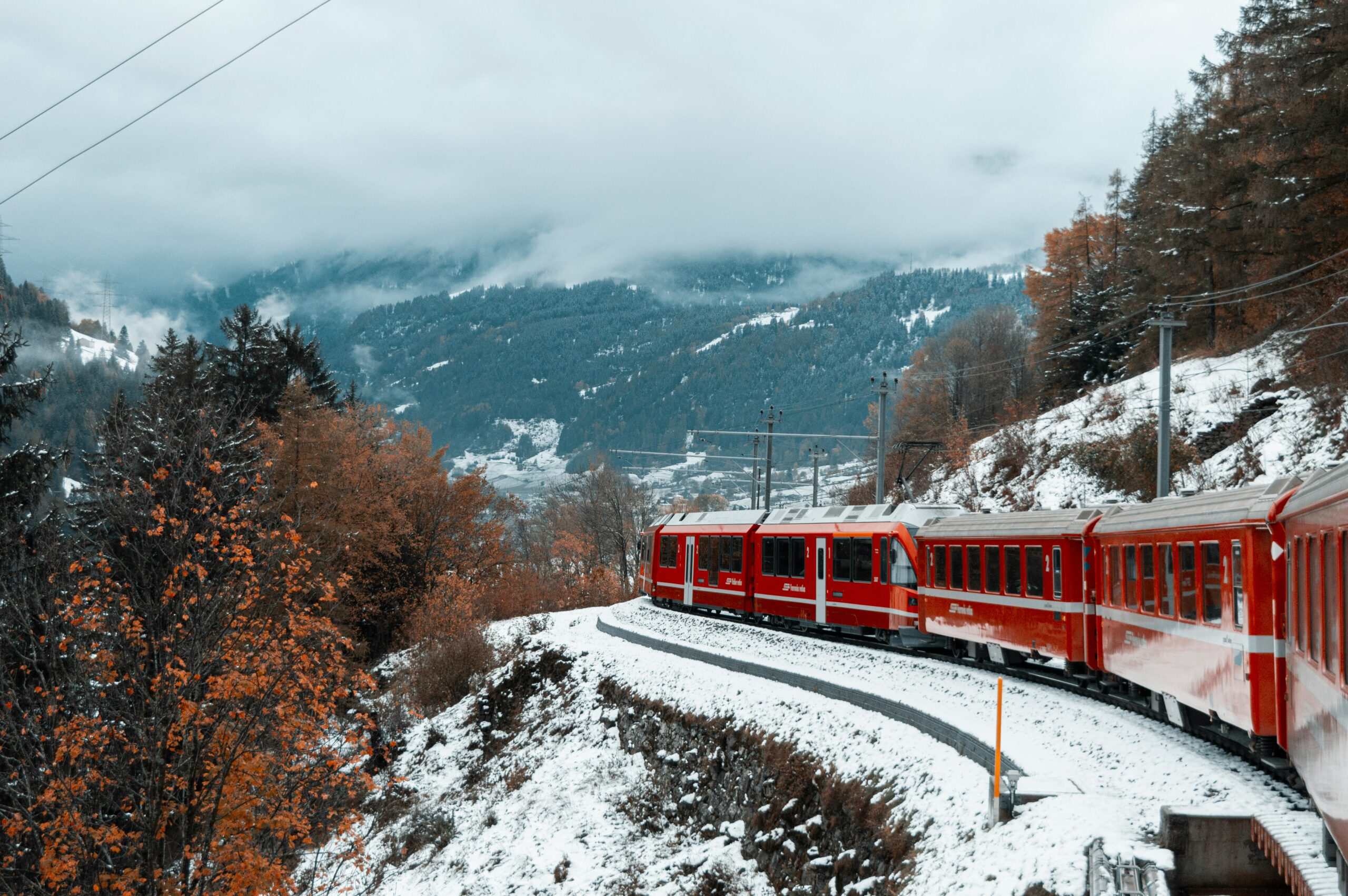
Creating your inaugural train-centric adventure begins with route research on inspiring rail journeys. The Glacier Express through Swiss Alps, Norway’s Bergen Railway, or Scotland’s West Highland Line offer spectacular scenery justifying travel as experience rather than mere transit.
Start conservatively with well-connected regions featuring English-language booking systems and frequent service. The Amsterdam-Brussels-Paris triangle offers excellent introduction with multiple daily departures, short journey times, and forgiving schedules if connections tighten. Success builds confidence for more ambitious planning.
Join online communities where experienced train travelers share routing advice, booking strategies, and real-time disruption information. Reddit’s r/Interrail community, rail-focused Facebook groups, and specialized forums like Seat61’s community provide invaluable crowdsourced intelligence supplementing official sources.
🌟 The Future of Sustainable Adventure Awaits
Train-first travel planning represents more than transportation methodology—it’s a philosophy valuing journey equally with destination, sustainability alongside experience, and connection over checklist completion. As climate consciousness reshapes travel expectations and rail infrastructure expands globally, this approach positions you at the forefront of meaningful exploration.
The skills developed through train-first planning—research patience, cultural adaptability, logistical creativity—enhance all aspects of travel and life beyond. Each journey becomes a masterclass in sustainable decision-making applicable to daily choices back home.
Your next adventure awaits on platforms rather than gates, through landscapes rather than above clouds, at human pace rather than jet speed. The revolution isn’t abandoning exploration—it’s rediscovering how we got there matters as much as where we’re going. Step aboard and experience travel transformed.
