
Anúncios
Solar-powered nomad villages are revolutionizing how we think about sustainable living, combining renewable energy with mobility to create self-sufficient communities that embrace off-grid freedom.
🌍 The Dawn of a New Lifestyle Movement
Across deserts, forests, and coastlines, a quiet revolution is unfolding. Individuals and families tired of conventional living are gathering in temporary settlements powered entirely by the sun. These solar-powered nomad villages represent more than just an alternative lifestyle—they embody a fundamental shift in how humanity can coexist with nature while maintaining modern comforts.
Anúncios
The concept merges ancient nomadic traditions with cutting-edge renewable technology. Where historical nomads followed animal herds or seasonal resources, today’s solar nomads follow optimal weather patterns, community gatherings, and personal freedom. They’ve discovered that sustainable living doesn’t require sacrificing connectivity, comfort, or community.
What makes these villages particularly compelling is their scalability and accessibility. Unlike traditional homesteading that requires land ownership and permanent infrastructure, solar nomadism offers a lower barrier to entry. A well-equipped van, RV, or converted bus with solar panels can serve as both home and power plant, creating unprecedented freedom.
Anúncios
⚡ How Solar Technology Enables Mobile Communities
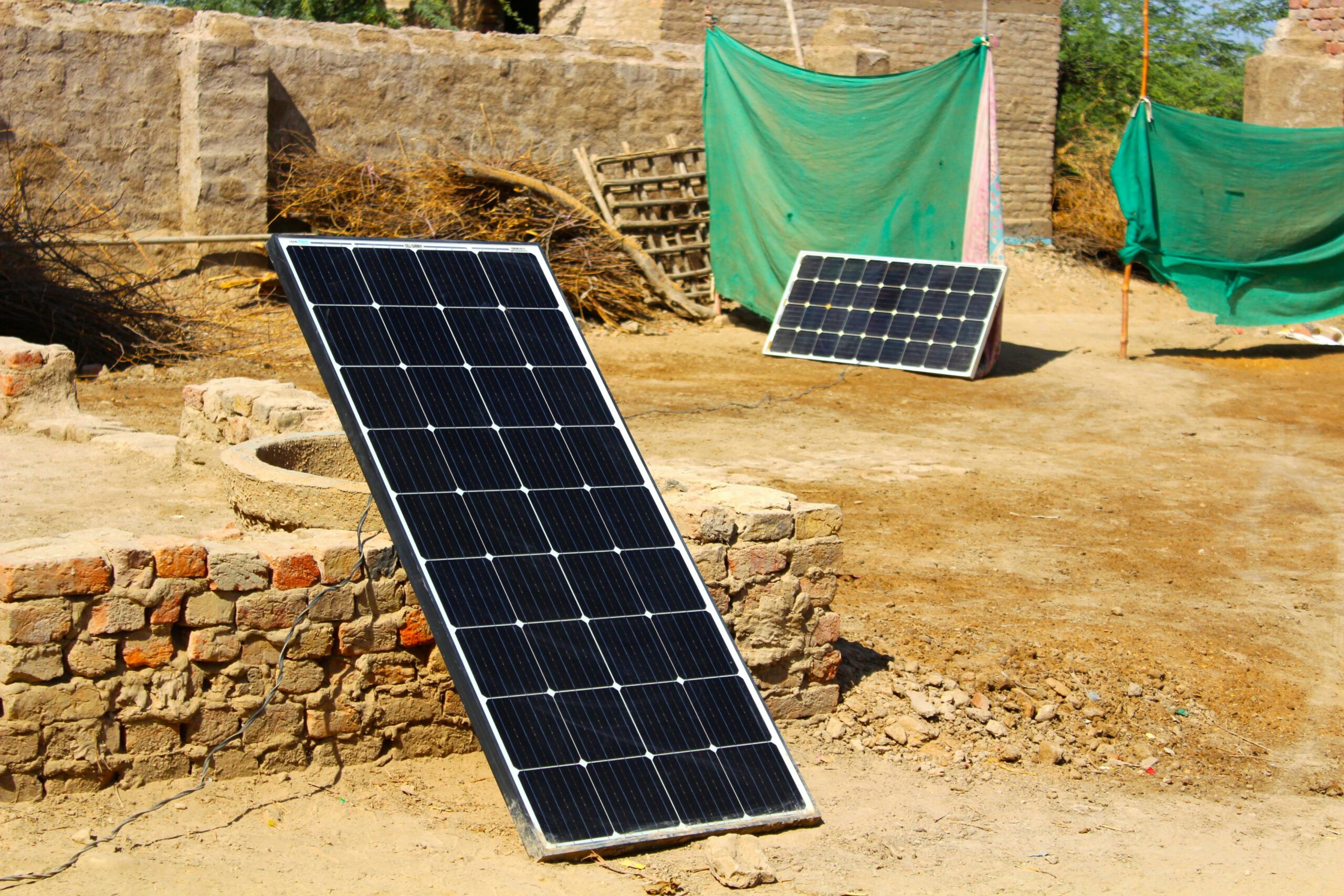
The backbone of every solar-powered nomad village is its renewable energy infrastructure. Modern photovoltaic panels have become remarkably efficient, lightweight, and affordable, making them ideal for mobile applications. A typical nomadic dwelling might feature 400-800 watts of solar capacity, enough to power essential appliances, electronics, and lighting.
Battery storage systems have evolved dramatically in recent years. Lithium iron phosphate (LiFePO4) batteries offer nomads reliable power storage with impressive cycle life, often exceeding 3,000 charge cycles. These systems allow villagers to store excess energy generated during sunny days for use during cloudy periods or nighttime hours.
The integration of smart energy management systems has transformed how nomads monitor and optimize their power consumption. Digital displays track solar input, battery levels, and energy usage in real-time, empowering residents to make informed decisions about their energy budget. This awareness naturally cultivates conservation habits and resourcefulness.
Essential Components of Mobile Solar Systems
- High-efficiency monocrystalline or polycrystalline solar panels with flexible or rigid mounting options
- MPPT (Maximum Power Point Tracking) charge controllers for optimal energy harvesting
- Deep-cycle battery banks sized appropriately for individual or family needs
- Pure sine wave inverters to safely power sensitive electronics and appliances
- Weatherproof wiring, fuses, and circuit protection systems
- Monitoring equipment for tracking system performance and troubleshooting
🏕️ Community Structures That Foster Connection
Solar-powered nomad villages aren’t simply parking lots for off-grid vehicles. They’re intentional communities with shared values, mutual support systems, and collaborative governance models. Most villages operate on principles of voluntary cooperation, resource sharing, and respect for personal autonomy.
Common areas serve as social hubs where villagers gather for meals, workshops, and entertainment. These spaces might include communal kitchens with shared solar cooking equipment, outdoor amphitheaters for performances and meetings, and maker spaces equipped with tools and materials for repairs and creative projects.
The social architecture of these communities emphasizes both privacy and connection. Individual dwellings maintain personal space while village layouts encourage spontaneous interactions. This balance addresses one of modern society’s greatest challenges: the epidemic of isolation despite constant digital connectivity.
Governance structures vary but typically emphasize consensus-based decision-making and rotating responsibilities. Village councils might include roles for conflict resolution, infrastructure maintenance, newcomer orientation, and external relations. This participatory approach develops leadership skills and ensures diverse perspectives shape community direction.
💡 Practical Applications of Off-Grid Solar Living
The daily reality of solar-powered nomadic life requires adaptation and creativity. Morning routines begin with checking weather forecasts and solar production estimates. Villagers learn to schedule energy-intensive tasks—laundry, electronics charging, food preparation—during peak solar hours when batteries are replenishing.
Water management represents another critical consideration. Many nomad villages position themselves near natural water sources or municipal facilities. Some communities invest in shared water filtration systems powered by solar pumps, creating potable water from streams, lakes, or wells. Greywater systems allow for responsible disposal while conserving this precious resource.
Food production and procurement blend traditional and modern approaches. Community gardens utilize raised beds and container growing to produce fresh vegetables despite frequent relocation. Solar dehydrators preserve surplus harvests, while solar cookers and efficient propane stoves minimize energy consumption. Regular supply runs to nearby towns supplement homegrown and foraged foods.
Typical Daily Energy Budget for a Solar Nomad
| Device/Appliance | Power Draw | Daily Usage | Energy Consumption |
|---|---|---|---|
| LED Lighting | 15W | 4 hours | 60Wh |
| Laptop Computer | 50W | 6 hours | 300Wh |
| Smartphone Charging | 10W | 2 hours | 20Wh |
| 12V Refrigerator | 40W | 24 hours (cycling) | 480Wh |
| Water Pump | 60W | 0.5 hours | 30Wh |
| Ventilation Fan | 20W | 8 hours | 160Wh |
| Total Daily | 1,050Wh |
🌱 Environmental Impact and Sustainability Metrics
The environmental benefits of solar-powered nomad villages extend far beyond zero-emission electricity generation. These communities typically maintain significantly smaller carbon footprints than conventional households. Reduced living space naturally limits consumption, while the off-grid lifestyle promotes mindfulness about resource use.
Transportation patterns also shift dramatically. Many solar nomads consolidate trips, carpool for supply runs, and choose locations within cycling or walking distance of amenities. Some villages organize shared vehicle programs, allowing members to access transportation without individual ownership. These practices substantially reduce per-capita emissions compared to suburban car-dependent lifestyles.
Waste generation decreases through necessity and philosophy. Limited storage space discourages excess packaging, while composting toilets and organic waste systems return nutrients to the soil. Many villages implement comprehensive recycling and repair programs, viewing waste as a design flaw rather than an inevitability.
The regenerative potential of temporary settlements deserves emphasis. Unlike permanent developments that fragment ecosystems and disrupt natural processes, nomadic villages can implement leave-no-trace principles. Proper site selection, rotation schedules, and restoration practices ensure that land recovers quickly after communities move on, sometimes leaving it healthier than before.
🔧 Technical Challenges and Innovative Solutions
Living off-grid with solar power isn’t without obstacles. Weather variability tops the list of challenges, particularly in regions with extended cloudy periods or extreme temperatures. Savvy nomads address this through oversized solar arrays, robust battery banks, and backup generators for emergency situations.
System maintenance requires ongoing education and troubleshooting skills. Communities often organize technical workshops where experienced members share knowledge about electrical systems, panel cleaning, battery care, and component replacement. This collective expertise reduces dependence on external technicians and empowers residents to solve problems independently.
Internet connectivity has become essential for many nomads who work remotely or maintain digital businesses. Cellular boosters, satellite internet systems, and strategic location selection near cellular towers keep villagers connected. Some communities pool resources for shared high-speed internet infrastructure, distributing costs while ensuring reliable connectivity.
Climate control presents unique challenges in mobile dwellings. Proper insulation, strategic ventilation, and passive solar design principles help regulate internal temperatures. Solar-powered fans and evaporative coolers provide summer relief, while efficient heating solutions like diesel heaters or heat-recapturing systems maintain comfort during cold months.
💼 Economic Models and Financial Sustainability
The economics of solar nomadic living attract diverse motivations. Some embrace this lifestyle to escape high housing costs and student debt, while others seek alignment between their values and spending patterns. Initial investments in vehicles and solar systems vary widely, from budget conversions under $10,000 to luxury builds exceeding $100,000.
Monthly expenses typically range between $500 and $1,500 depending on travel frequency, dietary choices, and entertainment preferences. The elimination of rent or mortgage payments creates substantial savings, though villagers still budget for vehicle maintenance, insurance, communication services, and occasional campground fees.
Income generation takes creative forms within these communities. Remote work opportunities in technology, writing, design, and consulting allow location-independent professionals to maintain careers. Others develop portable businesses like handcrafts, online education, content creation, or seasonal work opportunities that align with their travel patterns.
Some villages organize cooperative economic structures, pooling resources for bulk purchasing, shared equipment, and collective marketing of goods or services. These arrangements distribute risk while building community resilience. Time banking systems—where members exchange services based on hours rather than currency—create alternative economic relationships based on mutual support rather than monetary transactions.
🌐 Global Movement and Cultural Variations
Solar-powered nomadic communities have emerged across continents, each influenced by local culture, climate, and regulations. European nomads often concentrate around seasonal gatherings, rainbow festivals, and intentional eco-villages, benefiting from relatively compact geography and extensive road networks.
North American solar nomads take advantage of vast public lands, particularly in the southwestern United States. Bureau of Land Management areas and National Forest dispersed camping sites provide free or low-cost locations where communities can establish temporary villages. Canadian nomads face harsher winters but discover spectacular summer opportunities across their expansive wilderness.
Australian grey nomads—retirees embracing mobile lifestyles—represent a mature solar nomad demographic with significant purchasing power and leisure time. Their contribution to regional economies challenges stereotypes about nomadic communities being economically marginal. New Zealand’s freedom camping culture attracts international solar nomads seeking dramatic landscapes and progressive environmental attitudes.
In developing regions, solar nomadism intersects with traditional pastoralist practices. Communities in Mongolia, East Africa, and Central Asia are incorporating solar technology into ancient nomadic patterns, powering mobile devices, medical equipment, and educational tools while maintaining cultural continuity.
🚀 Future Horizons for Solar Nomadic Communities
Technological advances promise to enhance solar nomadic living considerably. Next-generation solar panels with conversion efficiencies exceeding 25% will provide more power from smaller surfaces. Solid-state battery technology may offer dramatically improved energy density, allowing greater storage capacity without increased weight or space requirements.
Vehicle electrification creates fascinating possibilities for solar nomads. Electric vans and trucks can serve dual purposes as living spaces and energy storage systems. Bidirectional charging capabilities allow vehicle batteries to supplement house batteries, effectively multiplying available power storage. Some manufacturers are developing recreational vehicles specifically designed for full-time solar living with integrated systems and optimized aerodynamics.
Policy developments will significantly influence the movement’s trajectory. Progressive jurisdictions are creating legal frameworks that recognize alternative dwelling types and simplified processes for temporary community permits. Conversely, some municipalities implement restrictive ordinances that complicate or prohibit solar nomadic lifestyles, creating ongoing advocacy needs.
The intersection of solar nomadism with remote work trends suggests substantial growth potential. As employers embrace distributed teams and digital infrastructure improves, more professionals can maintain careers while enjoying location independence. This demographic shift could bring increased resources, diversity, and mainstream acceptance to solar nomadic communities.
🤝 Building Bridges: Integration with Conventional Society
Solar-powered nomad villages exist in dynamic relationship with conventional communities. Many villages position themselves near small towns where they patronize local businesses, volunteer for community projects, and participate in cultural events. These interactions challenge prejudices while demonstrating that alternative lifestyles can contribute positively to regional vitality.
Educational outreach represents another bridge-building strategy. Villages host open house events, sustainability workshops, and school tours that showcase renewable energy systems and alternative living models. These experiences inspire curious visitors while fostering understanding and acceptance among local populations.
Economic contributions extend beyond direct spending. Solar nomads often possess diverse skills—carpentry, mechanics, technology, arts—that they offer as services or trade. Seasonal agricultural work provides labor during harvest periods when local workers are scarce. Creative festivals and markets organized by nomadic communities can become regional attractions that benefit local economies.
The knowledge exchange flows bidirectionally. Long-term residents share information about local resources, weather patterns, cultural norms, and hidden gems. Nomads introduce sustainable practices, global perspectives, and innovations that can inspire local sustainability initiatives. This mutual enrichment strengthens both nomadic and settled communities.
✨ Personal Transformation Through Solar Nomadic Living
Beyond practical considerations, solar nomadism catalyzes profound personal growth. The lifestyle demands resourcefulness, adaptability, and problem-solving skills that many conventional living situations don’t cultivate. Residents describe increased confidence, self-reliance, and clarity about their values and priorities.
Simplified living arrangements create space for reflection and intentionality. Without the constant accumulation pressure of consumer culture, nomads report greater satisfaction with experiences rather than possessions. Time previously devoted to maintaining larger homes and properties redirects toward relationships, creative pursuits, and personal development.
Connection with natural cycles deepens when solar production directly influences daily activities. Awareness of sunrise and sunset, seasonal variations, and weather patterns reconnects residents with rhythms that modern life often obscures. This attunement frequently generates greater environmental consciousness and appreciation for Earth’s systems.
Community living in close quarters develops emotional intelligence and communication skills. Navigating shared spaces, resolving conflicts constructively, and balancing individual needs with collective wellbeing require ongoing practice and growth. These interpersonal competencies transfer beneficially to all life domains.
🌟 Pioneering Pathways to Collective Liberation
Solar-powered nomad villages ultimately represent more than housing alternatives or energy solutions. They embody possibilities for restructuring fundamental relationships—with energy, with land, with community, and with our own potential. By demonstrating viable models of sustainable, fulfilling off-grid living, these pioneers expand the range of choices available to everyone.
The movement challenges assumptions about what constitutes security, success, and the good life. Rather than accepting inherited definitions, solar nomads experiment with alternatives aligned with personal values and planetary boundaries. Their existence proves that comfortable, connected, meaningful lives need not depend on conventional career paths, permanent addresses, or fossil fuel consumption.
As climate change, housing affordability crises, and social isolation intensify, the lessons from solar nomadic communities become increasingly relevant. Their experiences offer practical knowledge about resilience, adaptation, and collective problem-solving. Whether individuals choose mobile lifestyles or not, the innovations and insights emerging from these villages can inform broader sustainability transitions.
The future these communities are building isn’t merely about technological deployment or lifestyle preferences. It’s about reclaiming agency over fundamental life decisions, fostering authentic human connection, and demonstrating that freedom and responsibility can coexist harmoniously. In their solar panels catching morning light and their circles of conversation under star-filled skies, nomad villages are illuminating pathways toward a more sustainable, equitable, and liberated future for all humanity.
