
Anúncios
Fashion meets eco-consciousness as designers revolutionize footwear with recycled materials, proving that sustainability and style can walk hand in hand. ♻️
The fashion industry has long been criticized for its environmental impact, but a new wave of innovative designers is changing the narrative. By transforming discarded materials into stunning footwear, these pioneers are demonstrating that luxury and environmental responsibility aren’t mutually exclusive. From ocean plastics to recycled rubber, the materials being repurposed are as diverse as they are surprising.
Anúncios
This sustainable revolution isn’t just about reducing waste—it’s about reimagining what’s possible in footwear design. Today’s eco-conscious consumers no longer have to choose between their values and their style preferences. The market for sustainable fashion is growing exponentially, with footwear leading the charge as one of the most innovative sectors in this transformation.
The Environmental Crisis Behind Traditional Footwear Production 🌍
Understanding the importance of recycled footwear requires recognizing the environmental toll of conventional shoe manufacturing. Traditional footwear production consumes vast quantities of water, energy, and raw materials while generating significant carbon emissions and toxic waste.
Anúncios
The typical sneaker contains up to 65 different components, many derived from petroleum-based products that take centuries to decompose. When you consider that billions of shoes are produced annually worldwide, the environmental impact becomes staggering. Leather tanning processes release harmful chemicals into waterways, while synthetic materials contribute to microplastic pollution.
Additionally, the fast fashion model has accelerated consumption patterns, with many shoes discarded after minimal wear. Landfills across the globe overflow with footwear that could take up to 1,000 years to break down completely. This linear “take-make-dispose” model is simply unsustainable for our planet’s future.
Revolutionary Materials Transforming the Footwear Industry
The innovation happening in recycled footwear materials is nothing short of remarkable. Designers are sourcing everything from ocean-bound plastics to discarded coffee grounds, transforming waste into wearable art.
Ocean Plastics: From Pollution to Fashion Statement 🌊
One of the most impactful material innovations involves recovering plastic waste from oceans and coastal areas. These plastics, which would otherwise harm marine life and ecosystems, are collected, cleaned, processed, and transformed into high-performance yarns suitable for footwear production.
Major brands have partnered with environmental organizations to create shoes featuring uppers made entirely from ocean plastics. Each pair can contain the equivalent of eleven plastic bottles, directly removing pollution from our waters while creating beautiful, functional footwear.
Recycled Rubber: Giving Tires New Life
Discarded tires represent another massive waste stream being cleverly repurposed for footwear. Recycled rubber offers excellent durability and traction, making it ideal for shoe soles. The material performs comparably to virgin rubber while significantly reducing the environmental footprint.
Some innovative companies have developed proprietary processes to transform old tires, yoga mats, and factory rubber waste into premium outsoles that are virtually indistinguishable from traditional options in terms of performance and aesthetics.
Plant-Based and Biodegradable Alternatives 🌱
Beyond recycled synthetics, designers are exploring plant-based materials that offer sustainability from a different angle. Pineapple leather (Piñatex), made from pineapple leaf fibers, provides a cruelty-free alternative to animal leather with a unique texture and appearance.
Mushroom leather, cork, and apple leather are other innovative materials gaining traction. These options not only utilize agricultural waste but also offer biodegradability at the end of their lifecycle, creating a truly circular economy model.
Leading Designers Making Waves in Sustainable Footwear
The sustainable footwear movement isn’t limited to small startups—established luxury brands and emerging designers alike are embracing recycled materials with sophisticated designs that rival any traditional offering.
Stella McCartney has been a longtime advocate for sustainable fashion, incorporating recycled polyester and bio-based materials into her footwear lines. Her designs prove that vegetarian and recycled materials can achieve the elegance and quality expected from high-end fashion.
Athletic brands have also joined the movement, developing performance footwear with uppers made from recycled ocean plastics and outsoles from recycled rubber. These technical innovations demonstrate that sustainability doesn’t require compromising on functionality or athletic performance.
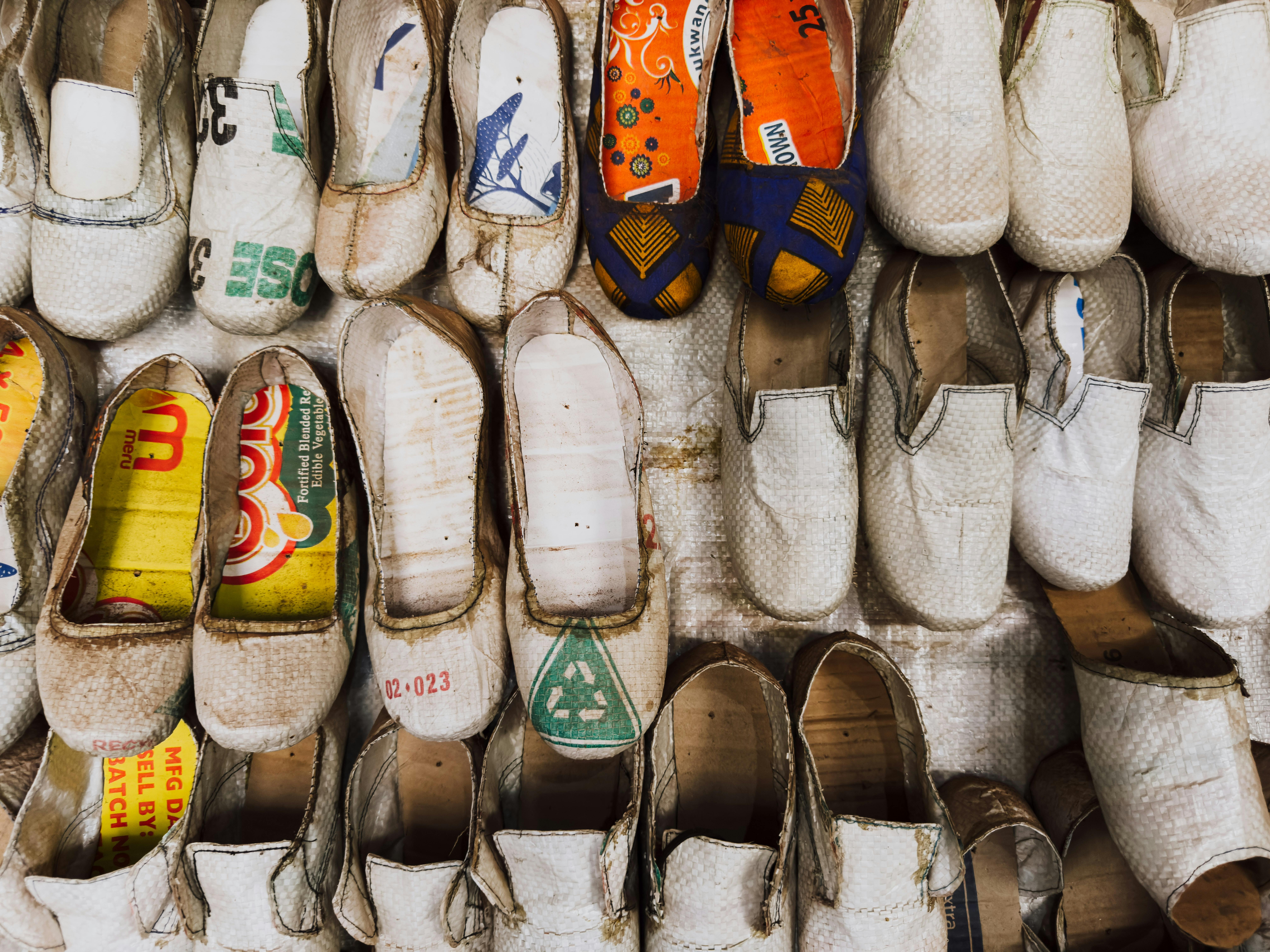
Smaller independent designers are often the most experimental, creating limited-edition pieces from unconventional recycled materials. Some work with upcycled fabrics, vintage textiles, and even recycled billboard vinyl to create one-of-a-kind statement pieces that tell a story of transformation and creativity.
The Design Process: Where Creativity Meets Sustainability ✨
Creating stylish footwear from recycled materials requires reimagining traditional design processes. Designers must consider material properties, sourcing challenges, and manufacturing techniques while maintaining aesthetic appeal and functionality.
The process typically begins with material research and development. Designers collaborate with material scientists and engineers to understand the possibilities and limitations of recycled inputs. This phase often involves extensive testing to ensure durability, comfort, and performance standards are met.
Color and texture considerations become more complex when working with recycled materials. Some designers embrace the natural variations and imperfections as part of the aesthetic, creating shoes with unique character. Others develop specialized dyeing and finishing processes to achieve consistent, vibrant colors without harmful chemicals.
Balancing Aesthetics and Functionality
The greatest challenge—and triumph—of sustainable footwear design is creating products that consumers want to wear, not just feel obligated to buy. This requires sophisticated design that incorporates current trends while showcasing the unique qualities of recycled materials.
Successful designers understand that sustainability is a selling point, but not the only one. Their footwear must be comfortable, durable, and stylish enough to compete with conventional options on every level. The recycled nature of the materials becomes an added bonus rather than an excuse for inferior design.
The Business Case for Sustainable Footwear 💼
Beyond environmental benefits, recycled footwear makes strong business sense. Consumer demand for sustainable products continues to grow, particularly among younger demographics who prioritize environmental responsibility in their purchasing decisions.
Market research consistently shows that consumers are willing to pay premium prices for sustainably produced goods. This creates opportunities for brands to maintain healthy profit margins while investing in better materials and ethical production practices.
Additionally, using recycled materials can reduce supply chain vulnerabilities. As virgin material costs fluctuate and environmental regulations tighten, companies with established recycled material streams gain competitive advantages in pricing and regulatory compliance.
Manufacturing Innovations Enabling the Green Revolution
The rise of sustainable footwear has been enabled by significant advances in manufacturing technology. Modern recycling processes can now produce materials that meet the quality standards required for fashion applications.
Automated sorting systems use artificial intelligence to identify and separate different types of plastics and materials, increasing recycling efficiency and reducing contamination. This ensures that recycled materials maintain consistent quality suitable for high-end applications.
3D printing technology is also revolutionizing sustainable footwear production. By printing shoes on-demand using recycled materials, manufacturers can eliminate excess inventory and waste while offering customization options to consumers. This represents a fundamental shift from mass production toward more sustainable, personalized manufacturing models.
Consumer Perspectives: Walking the Talk 👟
The success of sustainable footwear ultimately depends on consumer adoption. Understanding what motivates people to choose recycled options provides insights into the movement’s future trajectory.
For many consumers, sustainable footwear purchases represent an opportunity to align their values with their actions. Wearing shoes made from ocean plastics becomes a conversation starter and a visible statement of environmental commitment.
Others are drawn by the innovation and uniqueness of recycled designs. Limited-edition releases and collaborative projects create excitement and exclusivity that appeals to fashion-forward consumers regardless of environmental motivations.
Comfort and performance remain paramount considerations. As recycled footwear has improved in quality, consumers increasingly report that these shoes meet or exceed their expectations compared to traditional options, removing barriers to adoption.
Challenges and Opportunities on the Sustainable Path
Despite remarkable progress, the sustainable footwear industry faces ongoing challenges that require continued innovation and collaboration.
Scaling Production While Maintaining Quality
One significant challenge involves scaling production to meet growing demand without compromising on sustainability principles or quality standards. Securing sufficient quantities of quality recycled materials remains difficult, particularly for smaller brands without established supply chains.
Additionally, manufacturing facilities capable of working with recycled materials aren’t universally available. This can limit production capacity and increase costs, particularly for brands committed to ethical labor practices and fair wages.
Overcoming Perception Barriers
Some consumers still associate recycled materials with inferior quality or unfashionable designs. Changing these perceptions requires consistent delivery of exceptional products that demonstrate recycled materials’ capabilities.
Education plays a crucial role in shifting these perceptions. Transparent communication about materials, production processes, and environmental impacts helps consumers make informed decisions and appreciate the value of sustainable footwear.
The Future Is Walking This Way 🚀
The trajectory of sustainable footwear points toward exciting developments that will further blur the line between recycled and traditional materials.
Emerging technologies promise even more impressive innovations. Bio-fabrication techniques could enable growing materials in laboratories with specific properties designed for footwear applications. These materials would be sustainable from creation through disposal, achieving true circularity.
Blockchain technology is being explored to create transparent supply chains where consumers can trace every component of their shoes from source material through production. This transparency builds trust and allows consumers to verify sustainability claims.
Collaborative initiatives between brands, governments, and environmental organizations are establishing industry-wide standards for sustainable footwear. These frameworks will help consumers navigate the market while encouraging more companies to adopt sustainable practices.
Making Your Next Step a Sustainable One
As consumers, our purchasing decisions shape the fashion industry’s future. Choosing footwear made from recycled materials sends a powerful message that sustainability matters and that we expect better from brands.
When shopping for sustainable footwear, look for transparency about materials and production processes. Reputable brands will clearly communicate what recycled materials they use and how their shoes are manufactured. Certifications from recognized environmental organizations provide additional verification.
Consider the full lifecycle of your footwear. Brands offering repair services, recycling programs, or take-back initiatives demonstrate commitment to circularity beyond just using recycled materials in production.
Quality should remain a priority. Sustainable footwear that wears out quickly ultimately creates more waste. Investing in well-made shoes from recycled materials that will last for years represents the most sustainable choice.
Beyond Individual Choices: Systemic Change in Fashion 🌟
While individual purchasing decisions matter, transforming the footwear industry requires systemic changes in how we produce, consume, and dispose of fashion items.
Extended producer responsibility programs, where manufacturers must manage products at end-of-life, incentivize designing for recyclability and durability. Such policies are being implemented in various regions, creating frameworks for truly circular fashion economies.
Investment in recycling infrastructure and technology will be crucial for scaling sustainable footwear production. Both public and private sector funding is needed to develop the systems required to collect, sort, and process materials at the volumes necessary to transform the industry.
Education initiatives that raise awareness about fashion’s environmental impact and sustainable alternatives will drive demand and support for recycled footwear. As consumers become more informed, market forces will increasingly favor sustainable options.
Walking Into a Greener Tomorrow
The sustainable footwear revolution represents more than a trend—it’s a fundamental shift in how we think about fashion, consumption, and our relationship with the environment. Designer footwear crafted from recycled materials proves that we don’t need to sacrifice style or quality to make environmentally responsible choices.
Every pair of shoes made from ocean plastics removes pollution from our waters. Each sole crafted from recycled rubber keeps tires out of landfills. These tangible impacts, multiplied across millions of consumers, create meaningful environmental improvements.
The designers and brands pioneering sustainable footwear are doing more than selling products—they’re demonstrating alternative futures where fashion enhances rather than damages our planet. Their creativity and innovation inspire hope that sustainability and style will continue converging.
As technology advances and consumer awareness grows, recycled footwear will become increasingly sophisticated, accessible, and mainstream. The question isn’t whether sustainable footwear will dominate the market, but how quickly we can accelerate this transition.
Your next pair of shoes represents an opportunity to vote with your wallet for the kind of fashion industry you want to see. By stepping into sustainability, you’re not just making a personal style statement—you’re joining a movement that’s walking confidently toward a greener, more beautiful future. Every step matters, and every choice counts in creating the sustainable world we all deserve. 🌍✨
