
Anúncios
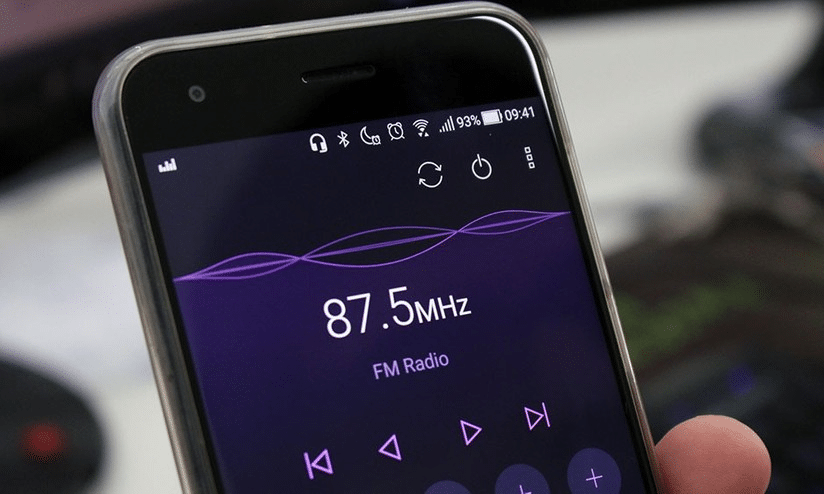
Radio apps have revolutionized how we consume audio content, bringing AM and FM stations directly to our smartphones with unprecedented convenience and global reach.


The digital transformation of traditional broadcasting has opened new possibilities for radio enthusiasts worldwide. Whether you’re commuting to work, exercising at the gym, or relaxing at home, accessing your favorite AM and FM stations has never been easier. Modern radio applications combine the nostalgia of classic broadcasting with cutting-edge technology, creating a seamless listening experience that fits perfectly into our mobile-first lifestyle.
Anúncios
From local news updates to international music stations, these versatile applications offer an extensive range of content that caters to diverse tastes and preferences. The evolution of radio apps represents more than just technological advancement—it’s a cultural shift in how we connect with information, entertainment, and communities around the globe. Let’s explore the fascinating world of AM FM radio applications and discover why millions of users have made them an essential part of their daily routine.
📻 The Evolution of Radio in the Digital Age
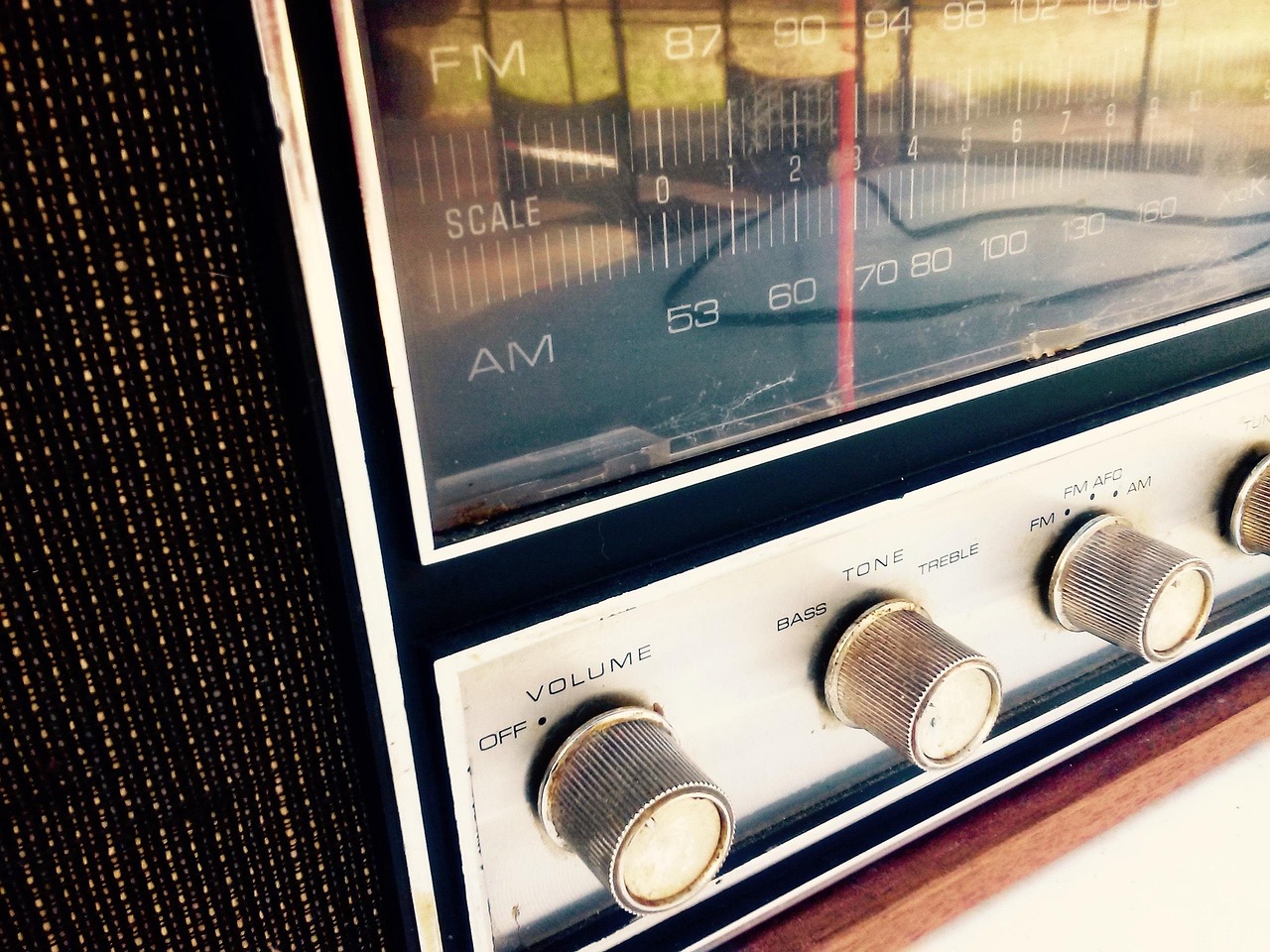
Traditional radio broadcasting has undergone a remarkable transformation since its inception over a century ago. The transition from bulky transistor radios to sleek smartphone applications represents one of the most significant shifts in media consumption history. AM (Amplitude Modulation) and FM (Frequency Modulation) technologies, once limited to physical receivers, now stream effortlessly through internet-connected devices.
Anúncios
This digital revolution hasn’t diminished radio’s relevance—quite the opposite. Radio apps have breathed new life into the medium by removing geographical barriers and enhancing accessibility. Listeners can now tune into stations from Tokyo while sitting in New York, or enjoy local community radio from their hometown while traveling abroad. The integration of streaming technology with traditional broadcasting frequencies has created a hybrid model that serves both nostalgic listeners and tech-savvy millennials.
The development of sophisticated radio applications has also preserved the authenticity of live broadcasting while adding modern conveniences like pause, rewind, and recording features. This blend of old and new ensures that radio remains a vital source of real-time information, entertainment, and cultural connection in an increasingly on-demand media landscape.
🎯 Key Features That Define Modern Radio Apps
Today’s radio applications come packed with features designed to enhance user experience and engagement. Understanding these capabilities helps users maximize their listening enjoyment and discover new content tailored to their preferences.
Intuitive Station Discovery
The best radio apps excel at helping users find stations that match their interests. Advanced search functions allow filtering by genre, location, language, and popularity. Many applications feature curated playlists and recommended stations based on listening history, making discovery both effortless and exciting. Visual interfaces with station logos, album art, and background images create an immersive browsing experience that goes beyond simple frequency tuning.
Seamless Streaming Quality
Modern radio applications prioritize audio clarity and connection stability. Adaptive bitrate streaming adjusts quality based on network conditions, ensuring minimal buffering and interruptions. Users can typically choose between different quality settings to balance sound fidelity with data consumption, making these apps suitable for both WiFi and mobile network usage.
Personalization and Favorites
Creating custom station lists, setting favorites, and organizing channels by mood or activity has become standard functionality. These personalization features transform generic radio apps into customized audio companions that reflect individual tastes and daily routines. Some applications even sync preferences across multiple devices, providing a consistent experience whether you’re using a smartphone, tablet, or smart speaker.
Sleep Timers and Alarms
Practical features like sleep timers allow users to fall asleep to their favorite stations without worrying about battery drain or data usage. Conversely, alarm functions let you wake up to live radio broadcasts, starting your day with news, music, or talk shows. These time-based controls add functional value beyond simple entertainment.

🌍 Global Access to Local and International Stations
One of the most compelling advantages of radio applications is their ability to transcend geographical boundaries. Users gain instant access to thousands of stations worldwide, from major metropolitan broadcasters to small community channels serving niche audiences.
This global connectivity serves multiple purposes. Expatriates can maintain cultural connections by listening to stations from their home countries. Language learners can immerse themselves in authentic content for practice and comprehension. Music enthusiasts can explore regional genres and emerging artists from different continents. News junkies can gain multiple perspectives on current events by sampling international broadcasts.
The democratization of radio access has also benefited smaller stations that previously struggled with limited transmission range. A local college radio station in a small town can now reach passionate fans anywhere in the world, creating global communities around localized content. This expansion has enriched the radio landscape, offering unprecedented diversity and choice to listeners everywhere.
💡 Choosing the Right Radio App for Your Needs
With countless radio applications available across app stores, selecting the ideal one requires consideration of several factors. Different apps cater to different priorities, and understanding your specific needs helps narrow down the options.
Station Selection and Coverage
Evaluate the app’s station database based on your listening preferences. Some applications specialize in certain genres or regions, while others aim for comprehensive global coverage. Check whether your favorite local stations are included, and explore the variety of international options available. Apps with larger databases generally offer more discovery opportunities but may require better search and filtering tools to navigate effectively.
User Interface and Experience
A clean, intuitive interface significantly impacts daily usability. Look for apps with logical navigation, responsive controls, and appealing visual design. The ability to quickly access favorites, browse categories, and view currently playing information should feel natural and effortless. Reading user reviews often reveals interface strengths and weaknesses that aren’t apparent from screenshots alone.
Data and Battery Efficiency
Streaming audio can consume substantial data and battery power, particularly during extended listening sessions. Quality radio apps optimize these resources through efficient coding and adjustable streaming settings. Background playback optimization ensures the app doesn’t drain battery unnecessarily when running alongside other tasks. Data-conscious users should prioritize apps offering variable quality settings and offline recording capabilities.
Additional Features and Integration
Consider which extra features matter most to your listening habits. Car mode interfaces, voice control compatibility, Chromecast support, and social sharing options add value for different user scenarios. Integration with smart home systems, wearable devices, and automotive platforms extends the app’s utility beyond basic smartphone use. Premium features like ad-free listening, unlimited recording, and exclusive content may justify subscription costs for dedicated users.
🎵 The Role of Radio Apps in Music Discovery
While on-demand streaming services dominate music consumption discussions, radio apps maintain unique advantages for discovering new artists and songs. The curated, linear nature of radio programming introduces listeners to content they might never encounter through algorithm-driven playlists.
Skilled radio hosts and DJs bring human curation that algorithms cannot replicate. They provide context, share artist stories, and create thematic flows that transform passive listening into engaging experiences. This editorial approach often leads to serendipitous discoveries—hearing an unexpected track that becomes a new favorite, or learning about an artist’s background that deepens appreciation for their work.
Genre-specific stations serve as educational resources, helping listeners understand musical traditions, evolution, and current trends within particular styles. Jazz stations might explore the progression from bebop to modern fusion, while electronic music channels track emerging subgenres and underground movements. This contextual learning enhances musical literacy and appreciation in ways that simple playlist shuffling cannot achieve.
Local radio stations also play crucial roles in promoting regional talent and grassroots music scenes. Independent artists gain exposure through community stations, building fanbases that might never discover them through major streaming platforms. Radio apps democratize access to these local scenes, allowing music lovers anywhere to support emerging talent from around the world.
📰 News, Talk Radio, and Podcast Integration
Radio applications extend far beyond music, offering comprehensive access to news broadcasts, talk shows, sports commentary, and increasingly, podcast content. This diversity makes them versatile information and entertainment hubs suitable for various listening contexts.
Real-Time News and Emergency Information
Live radio remains unmatched for breaking news coverage and emergency communications. During natural disasters, political events, or major incidents, local radio stations provide real-time updates that on-demand content cannot match. Radio apps ensure access to these critical information sources regardless of location, making them valuable tools for staying informed during urgent situations.
Talk Radio and Specialized Programming
From political analysis to cooking shows, sports debates to religious programming, talk radio caters to countless interests and perspectives. Radio apps make specialty programming accessible beyond traditional broadcast ranges, connecting passionate communities around shared interests. Late-night conspiracy theory shows, gardening advice programs, and financial planning discussions all find dedicated audiences through mobile radio applications.
Podcast and On-Demand Content
Many modern radio apps have integrated podcast libraries and on-demand content alongside live streams. This convergence creates unified audio platforms where users can seamlessly transition between live broadcasts and recorded programs. The combination offers flexibility—enjoying real-time interaction and spontaneity when desired, while maintaining access to archived content for convenient listening on personal schedules.
🚗 Radio Apps for Automotive and Mobile Listening
The mobile nature of radio has always suited automotive use, and contemporary apps enhance this traditional relationship through smart integrations and safety-focused features.
Bluetooth connectivity allows seamless pairing with car audio systems, transforming smartphones into advanced radio receivers with far greater station selection than built-in car radios. Android Auto and Apple CarPlay integrations provide voice control and dashboard-optimized interfaces, enabling station changes and searches without dangerous screen interactions while driving.
Dedicated car modes in radio apps feature larger buttons, simplified interfaces, and preset quick-access options designed for glance-based interaction. These adaptations acknowledge the unique requirements of automotive use, prioritizing safety alongside functionality. GPS integration can automatically suggest local stations as you travel, helping you discover regional programming during road trips without manual searching.
For commuters, radio apps provide consistent companionship that adapts to journey lengths. Short commutes benefit from immediate entertainment without the setup time required for podcasts or playlists. Longer drives gain access to extended programming like audio dramas, full news cycles, or complete sports game broadcasts that naturally fill travel time.
🔒 Privacy, Security, and Data Considerations
As with all mobile applications, radio apps collect and utilize user data to varying degrees. Understanding privacy policies and data practices helps users make informed decisions about which applications to trust.
Reputable radio applications transparently disclose data collection practices, typically gathering information about listening habits, location, and device specifications. This data often improves user experience through personalized recommendations and regional station suggestions. However, users should review permission requests critically, questioning why a radio app might need access to contacts, camera, or other seemingly unrelated device features.
Streaming audio consumption can also generate substantial data usage, potentially leading to overage charges on limited mobile plans. Monitoring data consumption through device settings or the app itself helps prevent unexpected costs. Downloading favorite stations or programs during WiFi connectivity for offline playback provides an alternative for data-conscious users, though not all applications offer this feature.
Security considerations include verifying app authenticity through official app stores and checking developer credentials. Fake applications sometimes mimic popular radio apps to distribute malware or harvest user information. Installing apps only from verified sources and reading recent user reviews helps identify and avoid malicious software masquerading as legitimate radio applications.
⚡ Technical Requirements and Compatibility
Modern radio apps generally maintain broad compatibility across devices and operating systems, but understanding technical requirements ensures optimal performance and prevents installation issues.
Most radio applications require relatively modest system resources, running smoothly on devices several years old. However, newer features like high-definition streaming, complex visualizations, or extensive recording capabilities may demand more processing power and storage space. Checking minimum system requirements before installation prevents performance problems on older or budget devices.
Internet connectivity requirements vary based on streaming quality settings. Standard definition audio typically consumes between 64-128 kbps, while high-quality streams may use 256 kbps or more. Unstable connections benefit from apps offering lower bitrate options and robust buffering systems that minimize interruptions during network fluctuations.
Platform-specific considerations affect feature availability and interface design. iOS and Android versions of the same app may offer different capabilities due to operating system limitations or development priorities. Cross-platform users should verify that essential features function consistently across their devices, particularly if planning to use the app on multiple platforms.
🎁 Free vs. Premium Radio Applications
The radio app ecosystem includes both free, ad-supported options and premium subscription services, each offering distinct advantages depending on user priorities and budget considerations.
Free radio applications provide excellent value, granting access to thousands of stations without financial commitment. Ad-supported models generate revenue through periodic commercials, banner advertisements, or sponsored content. For casual listeners who don’t mind occasional interruptions, free versions deliver comprehensive functionality at no cost. Many free apps offer surprisingly robust features, including favorites management, sleep timers, and basic recording capabilities.
Premium subscriptions typically eliminate advertisements, creating uninterrupted listening experiences particularly valuable during extended sessions. Additional benefits often include higher streaming quality, unlimited recording, exclusive stations, and advanced features like multi-device syncing. Cloud storage for recorded content, offline playback, and priority customer support further differentiate paid tiers from free alternatives.
Evaluating whether premium features justify subscription costs depends on individual usage patterns. Daily users who spend hours listening may find ad removal alone worth the investment, while occasional listeners might prefer tolerating advertisements to avoid recurring charges. Most premium apps offer trial periods, allowing users to experience enhanced features before committing to subscriptions.
🌟 The Future of Radio Applications
Radio app development continues evolving, incorporating emerging technologies and responding to changing user expectations. Several trends are shaping the future trajectory of mobile radio experiences.
Artificial intelligence integration promises smarter recommendations, automated playlist generation based on mood or activity, and enhanced voice control functionality. Machine learning algorithms may analyze listening patterns to predict preferences, automatically discovering new stations aligned with individual tastes. Natural language processing could enable conversational interfaces where users request “upbeat morning music” or “local news updates” without navigating menus.
Enhanced social features may transform solitary listening into shared experiences. Real-time chat during live broadcasts, collaborative station recommendations, and social sharing of favorite moments could create communities around programming. Integration with social media platforms might allow friends to see what you’re listening to, fostering musical conversations and collective discovery.
5G connectivity will enable higher quality streams with minimal latency, approaching or matching traditional FM clarity while maintaining internet flexibility. Improved bandwidth also supports richer metadata, album artwork, and synchronized visual content that enhances audio programming. Interactive elements like live voting during shows, instant messaging with hosts, and augmented reality features may blur lines between radio and other media forms.
Voice-activated smart speakers and IoT devices continue expanding radio app ecosystems beyond smartphones. Seamless transitions between devices—starting a station on your phone during your commute, then continuing on your smart speaker at home—will become increasingly standard. This multi-device integration creates ambient audio environments that follow users throughout their daily routines.
✨ Maximizing Your Radio App Experience
Getting the most from radio applications involves more than simple installation and basic use. Strategic approaches and thoughtful customization significantly enhance enjoyment and utility.
Building a well-organized favorites list categorized by mood, activity, or time of day streamlines station selection. Creating morning news folders, workout music collections, and evening relaxation categories makes finding appropriate content effortless regardless of context. Regular curation keeps favorites relevant as tastes evolve and new stations emerge.
Exploring beyond comfort zones reveals unexpected treasures. Deliberately sampling unfamiliar genres, international stations, and niche programming broadens musical horizons and cultural awareness. Setting goals like “try one new station weekly” transforms passive consumption into active exploration, enriching your audio landscape with diverse perspectives and sounds.
Leveraging advanced features like recording enables time-shifted listening to programs broadcast during inconvenient hours. Morning shows can be captured overnight and enjoyed during commutes, while specialized weekend programming becomes available throughout the week. This flexibility adapts traditional linear radio to modern on-demand expectations without abandoning live broadcasting’s authentic energy.
Participating in station communities through social media, listener forums, and interactive features deepens engagement beyond passive listening. Requesting songs, providing feedback, and connecting with fellow fans transforms one-way broadcasts into two-way relationships. Many stations actively cultivate listener communities, offering exclusive content and recognition to engaged audience members.
Radio applications represent the successful evolution of broadcasting’s oldest medium into the digital age. By combining traditional radio’s spontaneity and human curation with modern technology’s convenience and global reach, these apps serve millions of daily users seeking information, entertainment, and connection. Whether you’re a lifelong radio enthusiast or a curious newcomer, today’s applications offer accessible entry points into a rich audio world that continues thriving despite—or perhaps because of—our increasingly on-demand culture.
