
Anúncios
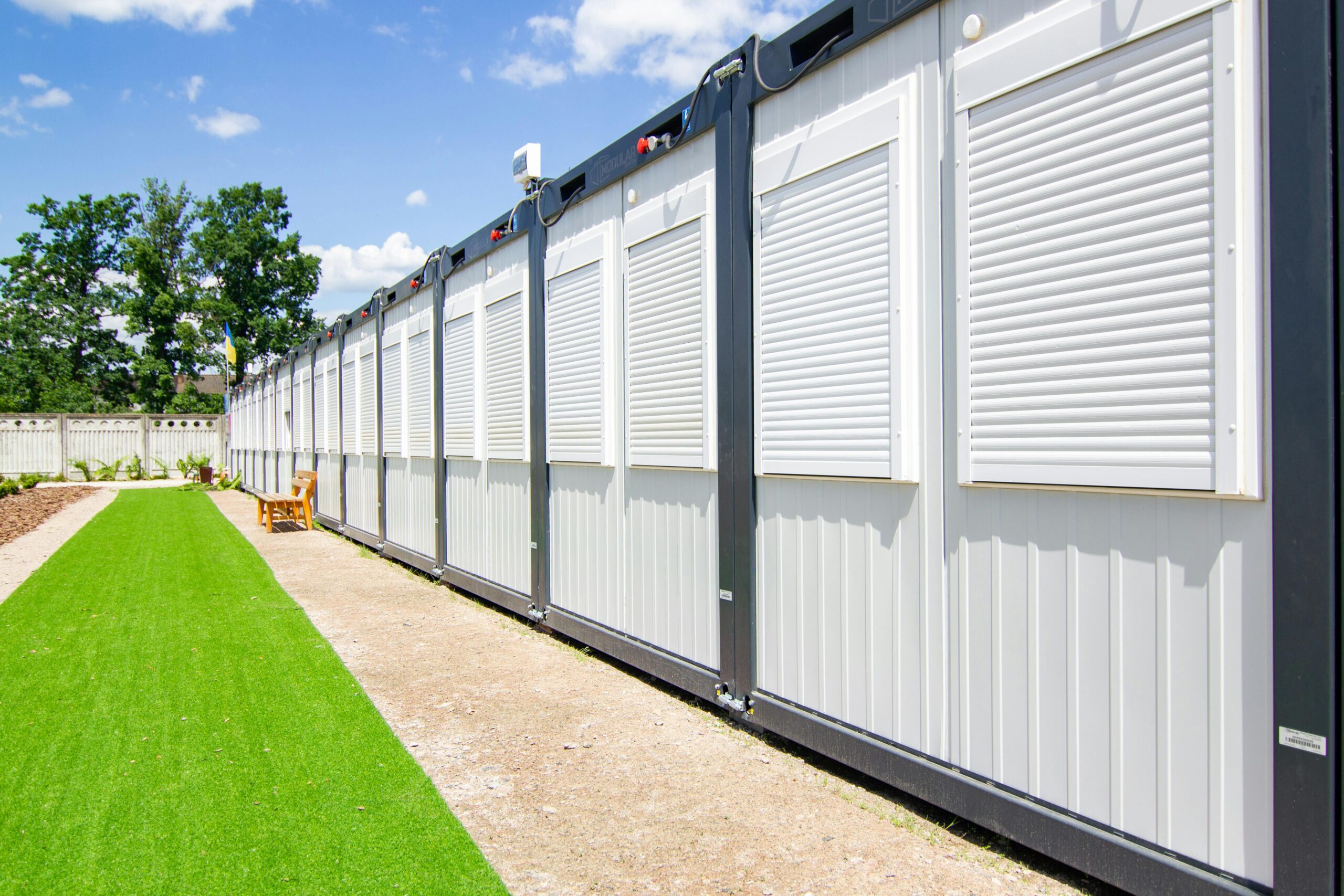
Modular eco-housing represents a transformative approach to sustainable architecture, combining innovative design with environmental responsibility to create homes that adapt to both human needs and planetary constraints.
🌱 The Dawn of Modular Eco-Housing Revolution
The construction industry stands at a critical crossroads. Traditional building methods consume approximately 40% of global energy and contribute nearly one-third of greenhouse gas emissions worldwide. As climate change accelerates and urban populations surge, the need for sustainable housing solutions has never been more urgent. Modular eco-housing concepts emerge as a beacon of hope, offering a practical pathway toward environmentally conscious living without compromising comfort or aesthetic appeal.
Anúncios
These prefabricated structures represent far more than simple buildings. They embody a fundamental reimagining of how humans interact with their living spaces and the environment. By integrating renewable materials, energy-efficient technologies, and flexible design principles, modular eco-homes challenge the wasteful practices that have dominated construction for generations.
The beauty of modular housing lies in its inherent efficiency. Factory-controlled construction environments minimize material waste by up to 90% compared to traditional on-site building methods. Precision manufacturing ensures every component serves a purpose, eliminating the excess that typically ends up in landfills. This controlled production also significantly reduces construction timelines, allowing families to move into sustainable homes months earlier than conventional builds would permit.
Anúncios
Understanding the Modular Eco-Housing Framework
Modular eco-housing operates on principles that distinguish it from both traditional construction and standard prefabricated homes. These structures consist of pre-engineered sections manufactured in specialized facilities, then transported and assembled on-site. What makes them “eco” is their integration of sustainable materials, renewable energy systems, water conservation technologies, and design strategies that minimize environmental impact throughout the building’s lifecycle.
The modular approach allows for remarkable customization. Homeowners can select configurations that match their specific needs, from compact single-person dwellings to expansive family residences. Each module functions as an independent unit but connects seamlessly with others, creating cohesive living spaces that can expand or contract as circumstances change.
Materials selection forms the foundation of eco-housing credentials. Manufacturers increasingly utilize bamboo, reclaimed wood, recycled steel, and innovative composites made from agricultural waste. These materials often possess carbon-negative footprints, actually removing CO2 from the atmosphere during their growth or production phases. Insulation might incorporate sheep’s wool, hemp, or recycled denim, providing superior thermal performance without the toxic off-gassing associated with conventional materials.
Core Components That Define Sustainable Modularity
Energy independence drives much of the eco-housing innovation. Solar panel integration has become standard, with many designs incorporating photovoltaic cells directly into roofing modules. Advanced battery storage systems allow homes to operate off-grid or feed excess energy back into municipal grids, transforming residences into mini power stations.
Water management systems represent another critical element. Greywater recycling captures water from sinks and showers, treating it for reuse in toilets and irrigation. Rainwater harvesting systems collect precipitation for non-potable applications, dramatically reducing municipal water consumption. Some advanced designs even incorporate atmospheric water generators that extract moisture from air, providing drinking water in arid climates.
Smart home technologies optimize resource utilization through artificial intelligence and sensor networks. These systems learn occupant patterns, adjusting heating, cooling, and lighting to minimize energy waste while maximizing comfort. Automated ventilation responds to indoor air quality measurements, ensuring healthy living environments without unnecessary energy expenditure.
🏗️ Manufacturing Innovation Driving Sustainability Forward
The factory setting offers unprecedented control over construction quality and environmental impact. Advanced robotics and computer-controlled machinery execute precise cuts and assemblies, eliminating the human error that often leads to material waste on traditional job sites. Workers operate in safe, climate-controlled environments rather than exposed outdoor conditions, improving both efficiency and job satisfaction.
Manufacturing facilities implement closed-loop systems that capture and reuse materials throughout production. Sawdust becomes composite board ingredients, metal scraps return to smelters for recycling, and even packaging materials follow circular economy principles. Many factories power operations entirely through renewable energy, achieving carbon-neutral or carbon-negative production status.
Quality control reaches levels impossible in field construction. Each module undergoes rigorous testing before leaving the factory, including structural integrity assessments, weatherproofing verification, and systems functionality checks. This pre-delivery quality assurance means homeowners receive essentially defect-free products, avoiding the callbacks and repairs that plague traditional construction.
Transportation and Assembly Logistics
Moving completed modules from factory to site requires careful planning but results in minimal environmental disruption. Specialized trucks transport modules along predetermined routes, typically completing deliveries within 24-48 hours. Once on-site, crane operators position modules onto prepared foundations in hours rather than the weeks traditional construction demands.
Site preparation for modular homes proves far less invasive than conventional building. Smaller equipment footprints reduce soil compaction and vegetation damage. Shorter construction timelines mean fewer trips by workers and suppliers, cutting transportation emissions substantially. Neighbors experience minimal noise pollution and disruption compared to months of traditional construction activity.
💰 Economic Advantages Alongside Environmental Benefits
The financial case for modular eco-housing grows stronger as technologies mature and production scales increase. Upfront costs now compete favorably with traditional construction in many markets, while long-term operational savings prove substantial. Energy-efficient designs reduce utility bills by 50-80%, with some net-zero homes eliminating energy costs entirely.
Construction timelines translate directly to financial savings. Shorter build periods mean reduced financing costs, earlier occupancy, and faster returns for investors. Homeowners avoid extended rental payments or hotel stays while waiting for construction completion. For developers, rapid turnaround enables quicker capital recycling into subsequent projects.
Maintenance costs decrease thanks to quality materials and precision construction. Properly designed modular homes experience fewer structural issues, water intrusion problems, and system failures than site-built equivalents. Many components carry extended warranties reflecting manufacturer confidence in product longevity.
Property values for well-designed eco-homes consistently appreciate above market rates. Growing environmental consciousness among buyers creates strong demand for sustainable properties. Energy certifications and green building credentials function as valuable marketing differentiators in competitive real estate markets.
🌍 Global Implementations Setting New Standards
Scandinavia leads modular eco-housing adoption, with countries like Sweden and Denmark incorporating these concepts into national housing strategies. Entire neighborhoods of modular eco-homes dot landscapes from Stockholm to Copenhagen, demonstrating scalability and livability. These communities often achieve net-positive energy status, generating more power than residents consume.
Japan embraces modular construction with characteristic precision and innovation. Manufacturers produce earthquake-resistant modules that meet stringent seismic codes while incorporating traditional aesthetic elements. Japanese modular homes routinely include advanced automation, showcasing how technology enhances sustainable living without sacrificing cultural values.
North American adoption accelerates as housing affordability crises intensify. West coast cities particularly embrace modular eco-housing as solutions to homelessness and housing shortages. Innovative financing models make sustainable homes accessible to middle-income families previously priced out of homeownership.
Developing nations recognize modular eco-housing potential for rapid urbanization challenges. African and Southeast Asian countries pilot projects that adapt modular concepts to tropical climates and local material availability. These implementations prove sustainable housing transcends wealthy nations, offering solutions wherever housing needs exist.
Community-Scale Developments Transforming Neighborhoods
The most exciting implementations extend beyond individual homes to entire eco-communities. These developments integrate modular housing with shared amenities, community gardens, renewable energy microgrids, and sustainable transportation infrastructure. Residents benefit from both private spaces and collective resources that enhance quality of life while minimizing environmental footprints.
Co-housing models gain traction within modular frameworks. Groups of families collaboratively design communities that balance privacy with shared facilities like workshops, guest rooms, and recreational spaces. This approach reduces per-capita resource consumption while fostering social connections often absent in conventional suburban developments.
🔧 Overcoming Implementation Challenges
Despite numerous advantages, modular eco-housing faces obstacles that slow broader adoption. Building codes and zoning regulations often fail to accommodate innovative construction methods, creating bureaucratic barriers. Many jurisdictions maintain outdated requirements designed for stick-built construction, forcing modular manufacturers into costly compliance workarounds.
Financing challenges persist as traditional lenders remain unfamiliar with modular construction. Appraisers struggle to value properties without comparable sales, potentially limiting mortgage availability. Industry advocates work to educate financial institutions about modular housing quality and longevity, gradually expanding lending options.
Transportation infrastructure limitations constrain module sizes in some regions. Narrow roads, low bridges, and weight restrictions force design compromises that may reduce efficiency. Manufacturers adapt by creating smaller, more easily transportable sections, though this sometimes increases assembly complexity and costs.
Public perception presents perhaps the most significant barrier. Lingering associations with mobile homes or temporary structures undermine modular housing credibility. Overcoming these misconceptions requires extensive education showcasing modern modular homes’ quality, durability, and aesthetic appeal.
🚀 Technological Innovations Shaping Tomorrow’s Eco-Homes
Emerging technologies promise to amplify modular eco-housing benefits dramatically. Building-integrated photovoltaics transform entire exterior surfaces into energy generators, moving beyond traditional roof-mounted panels. Transparent solar windows capture light while maintaining views, maximizing energy production without aesthetic compromise.
Advanced materials science delivers components with unprecedented performance characteristics. Aerogel insulation provides R-values previously impossible, dramatically reducing heating and cooling requirements. Self-healing concrete repairs micro-cracks autonomously, extending structural lifespans indefinitely. Phase-change materials absorb and release thermal energy, naturally regulating interior temperatures.
Three-dimensional printing enters modular construction workflows, enabling custom components at mass-production costs. Robots print complex structural elements using recycled materials or earth-based composites, reducing reliance on energy-intensive manufacturing processes. Some experimental projects print entire modules on-site, potentially eliminating transportation requirements.
Artificial intelligence optimizes every aspect of eco-home performance. Machine learning algorithms analyze occupant behavior, weather patterns, and energy prices to make millisecond adjustments that minimize costs and environmental impact. Predictive maintenance systems identify potential failures before they occur, scheduling repairs proactively to prevent waste and discomfort.
Integration with Renewable Energy Ecosystems
Future modular eco-homes will function as nodes within larger renewable energy networks. Vehicle-to-grid technologies allow electric cars to serve as mobile battery storage, stabilizing grid fluctuations while providing backup power during outages. Neighborhood microgrids enable surplus energy sharing among homes, optimizing collective self-sufficiency.
Hydrogen fuel cells emerge as alternatives to battery storage, offering higher energy density for extended off-grid capability. Solar-powered electrolysis produces hydrogen from water during peak production periods, storing energy for later conversion back to electricity. This technology particularly benefits regions with seasonal sunlight variations.
🏡 Personalization Meeting Sustainability Goals
Modern consumers demand homes reflecting personal style alongside environmental values. Modular eco-housing increasingly accommodates this expectation through extensive customization options. Architectural styles range from ultramodern minimalism to traditional vernacular adaptations, proving sustainability doesn’t mandate aesthetic uniformity.
Interior configurations adapt to diverse lifestyle preferences. Open-plan designs maximize space efficiency and natural light, while compartmentalized layouts suit those preferring defined rooms. Universal design principles ensure accessibility for residents of all ages and abilities, creating truly inclusive sustainable housing.
Finish materials offer abundant choices without compromising eco-credentials. Reclaimed wood provides rustic charm, polished concrete delivers industrial aesthetics, and natural plasters create warm, organic surfaces. Each option maintains environmental integrity while expressing individual taste.
Outdoor integration enhances both sustainability and livability. Green roofs provide insulation, stormwater management, and urban biodiversity habitats. Living walls purify air while creating striking visual features. Seamless indoor-outdoor transitions blur boundaries between built and natural environments.
📊 Measuring Environmental Impact and Performance
Quantifying modular eco-housing benefits requires comprehensive lifecycle analysis. Studies consistently demonstrate 30-50% reductions in embodied carbon compared to conventional construction. Operational energy consumption drops by similar margins, with net-zero and net-positive homes becoming increasingly common.
Water conservation metrics show impressive results. Advanced greywater systems reduce potable water consumption by up to 60%, significantly lowering municipal infrastructure demands. Rainwater harvesting provides all non-potable water needs for many households, further decreasing environmental impact.
Waste generation during construction falls dramatically. Factory-based production generates 70-90% less waste than site-built equivalents, with much of remaining waste entering recycling streams. End-of-life considerations built into designs facilitate eventual material recovery and reuse.
Air quality improvements benefit both occupants and surrounding environments. Low-VOC materials eliminate toxic off-gassing that plagues conventional homes for years after construction. Enhanced ventilation systems maintain optimal indoor air quality without excessive energy consumption.
🌟 Envisioning the Sustainable Housing Landscape Ahead
The trajectory of modular eco-housing points toward ubiquity within coming decades. As climate imperatives intensify and resource constraints tighten, sustainable construction will transition from niche alternative to mainstream standard. Modular methodologies offer the scalability and efficiency necessary to house growing populations while healing planetary ecosystems.
Policy evolution will accelerate adoption through incentives, streamlined approvals, and updated building codes. Forward-thinking jurisdictions already implement preferential zoning for sustainable developments and expedited permitting for certified eco-homes. These trends will expand as climate action becomes increasingly urgent.
Cultural shifts toward minimalism and intentional living align perfectly with modular eco-housing philosophies. Younger generations prioritize experiences over excessive space, environmental responsibility over conspicuous consumption. These values drive demand for efficient, sustainable homes that enable meaningful lives without planetary destruction.
The convergence of modular construction, sustainable design, and advanced technology creates unprecedented opportunities to revolutionize how humanity shelters itself. These innovations prove that comfortable, beautiful, affordable housing need not devastate environments or destabilize climates. Instead, our homes can become active participants in ecological restoration, generating more energy than they consume, purifying water and air, and providing healthy sanctuaries for occupants.
Modular eco-housing represents more than architectural innovation—it embodies a fundamental reimagining of humanity’s relationship with the built environment. By embracing these concepts, we create not just greener buildings but genuinely sustainable communities where people thrive in harmony with natural systems. The revolution has begun, and every modular eco-home constructed brings us closer to a future where shelter enhances rather than diminishes our precious planet.
The path forward requires collaboration among manufacturers, policymakers, financial institutions, and communities. Each stakeholder plays crucial roles in overcoming barriers and scaling solutions. As awareness grows and success stories multiply, momentum builds toward tipping points where sustainable modular housing becomes the obvious choice for anyone seeking to build or buy a home. That future—one where every new residence contributes to environmental healing rather than degradation—lies within reach, awaiting only our collective commitment to make it reality.
