
Anúncios
The modern wanderer craves more than Instagram-worthy destinations—they seek meaningful experiences that honor both personal wellbeing and planetary health through innovative living arrangements.
🌿 The Renaissance of Conscious Living Spaces
We’re witnessing a profound shift in how people conceptualize luxury. Gone are the days when opulence meant excessive consumption and environmental disregard. Today’s discerning residents are gravitating toward off-grid luxury co-living spaces that merge sophistication with sustainability, creating sanctuaries where elegance and ecological responsibility dance in perfect harmony.
Anúncios
These innovative communities represent far more than trendy housing alternatives. They embody a lifestyle revolution where renewable energy systems, permaculture gardens, and architectural brilliance converge to create living environments that nourish both inhabitants and ecosystems. The contemporary luxury resident understands that true wealth lies not in what we consume, but in how gracefully we can live while treading lightly on Earth.
Off-grid luxury co-living spaces challenge the outdated notion that sustainable living requires sacrifice. Instead, they demonstrate how cutting-edge technology, thoughtful design, and community-oriented values can elevate everyday experiences beyond what traditional housing offers. Solar arrays gleam like modern art installations, rainwater collection systems integrate seamlessly into landscape design, and composting toilets rival their conventional counterparts in both aesthetics and functionality.
Anúncios
Why Traditional Living No Longer Satisfies
The conventional urban apartment or suburban house increasingly feels like a relic from a bygone era. Isolation behind closed doors, dependency on fossil fuel infrastructure, and disconnection from natural rhythms leave many feeling spiritually depleted despite material abundance. The pandemic accelerated this awakening, revealing how our living environments profoundly impact mental health, creativity, and overall life satisfaction.
Traditional housing models trap residents in cycles of consumption without community, convenience without consciousness. Monthly utility bills fund extractive energy systems, while apartment walls separate neighbors who might otherwise forge meaningful connections. The yard becomes a resource drain rather than a productive landscape, and personal vehicles sit idle for 95% of their existence, representing massive capital tied up in depreciating assets.
Off-grid luxury co-living spaces shatter these limitations by reimagining the fundamental relationship between shelter, community, and environment. Shared resources multiply individual capacity while dividing ecological footprints. Common areas foster spontaneous interactions that combat the loneliness epidemic plaguing developed nations. And energy independence transforms residents from passive consumers into active participants in their home’s operation.
🏡 What Defines Off-Grid Luxury Co-Living
These transformative spaces incorporate several distinctive characteristics that set them apart from both conventional housing and basic off-grid homesteads. Understanding these elements helps illuminate why this movement is capturing imaginations worldwide.
Energy Independence Meets Aesthetic Excellence
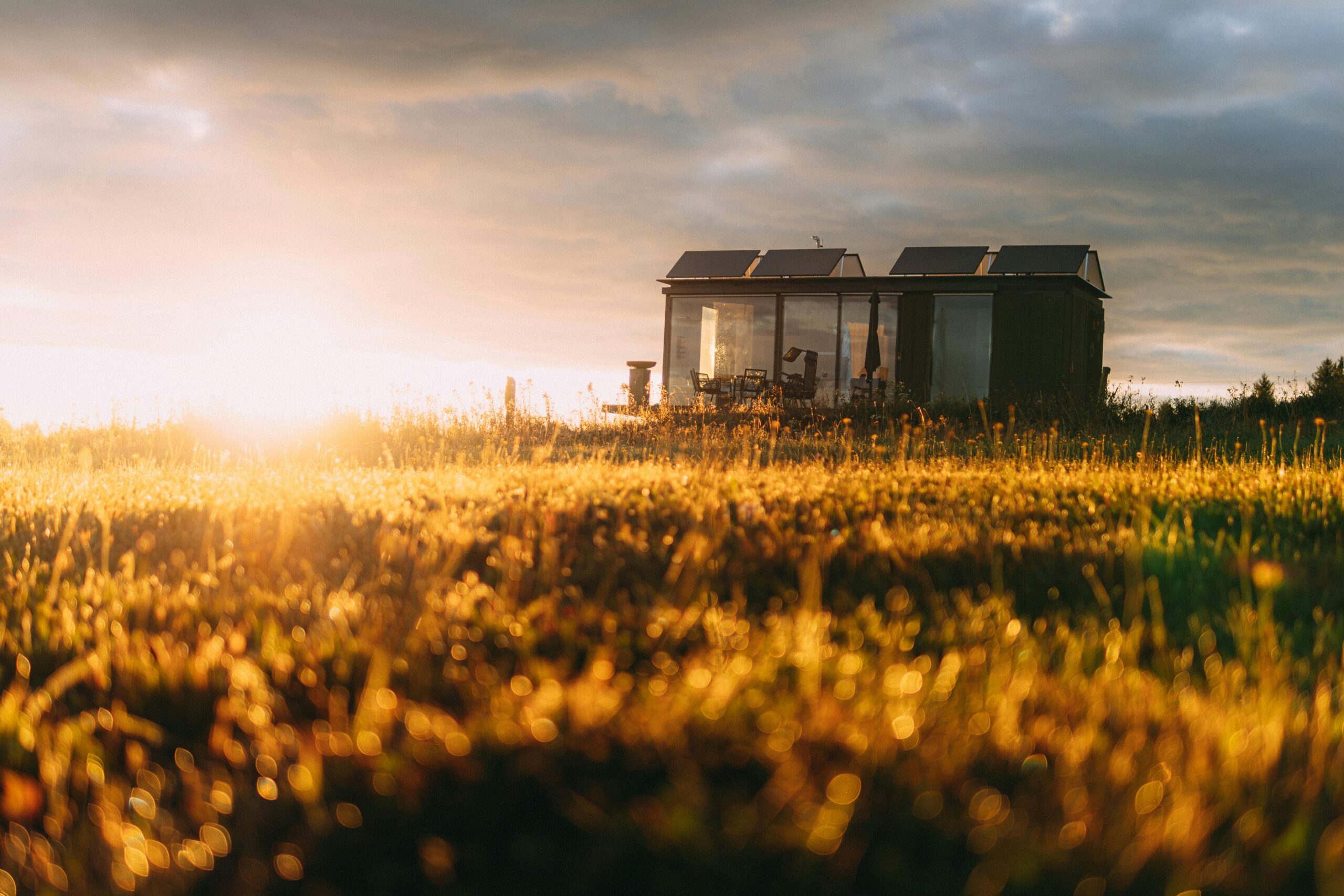
The backbone of any off-grid luxury space is its energy system, but these aren’t cobbled-together solar panels on weathered sheds. Think architecturally integrated photovoltaic systems that enhance rather than detract from building aesthetics. Battery storage systems hide within custom cabinetry, while backup generators run on biofuels produced from community waste streams.
Smart energy management systems optimize consumption in real-time, learning resident patterns and adjusting accordingly. LED lighting systems mimic natural daylight cycles to support circadian rhythms. Radiant floor heating and cooling systems maintain perfect comfort while using a fraction of traditional HVAC energy demands. Every kilowatt is precious, making energy consciousness an elegant practice rather than a burden.
Water Systems That Close the Loop
Water independence requires sophisticated systems that would impress any engineer while remaining invisible to residents. Rainwater collection feeds through multi-stage filtration to potable standards. Greywater from sinks and showers irrigates landscaping through subsurface systems. Blackwater undergoes natural treatment processes that return nutrients to food production areas.
The result? Residents enjoy abundant water for all needs while existing completely independent of municipal systems. Rainfall events become celebrations rather than nuisances, and drought conditions prompt community adaptation rather than panic. Water consciousness becomes second nature when you intimately understand your supply’s origins and limits.
Shared Amenities That Multiply Luxury
Co-living environments unlock amenities that would be prohibitively expensive for individual households. Commercial-grade kitchens equipped for collaborative cooking sessions. Workshops stocked with tools for woodworking, metalwork, and crafts. Fitness centers, yoga studios, and meditation spaces. Libraries, co-working areas, and recording studios. Saunas, hot tubs, and cold plunge pools.
These shared resources deliver five-star resort experiences within everyday living environments. The cost distribution makes premium amenities accessible, while shared scheduling ensures they never feel crowded. Residents discover new passions when tools and spaces are readily available, and spontaneous collaboration sparks when creative individuals share well-equipped facilities.
The Community Dimension: Solitude and Connection in Balance ⚖️
One common misconception about co-living spaces is that they sacrifice privacy. Well-designed off-grid luxury communities actually offer superior balance between solitude and connection compared to traditional housing. Private dwelling units provide complete refuge when desired, while common areas invite engagement on personal terms.
The magic happens in transitional spaces—covered porches, garden pathways, communal dining areas—where organic interactions occur without obligation. You might share morning coffee with neighbors before retreating to your private workspace, or collaborate on garden tasks before enjoying a solo afternoon hike. The rhythm feels natural rather than forced, with community emerging from genuine affinity rather than proximity alone.
Shared governance structures ensure every voice contributes to community direction. Regular gatherings create space for addressing challenges before they fester. Conflict resolution frameworks borrowed from intentional communities and indigenous practices help navigate disagreements constructively. The result is a social fabric that supports individual flourishing rather than demanding conformity.
🌍 Sustainability That Goes Beyond Buzzwords
The environmental benefits of off-grid luxury co-living extend far beyond solar panels and composting toilets. These communities model regenerative living systems that actually improve local ecosystems rather than merely minimizing damage.
Carbon Sequestration Through Design
Many communities incorporate carbon-negative building materials like hempcrete, bamboo, and reclaimed timber. Extensive food forests and permaculture systems sequester atmospheric carbon while producing abundant harvests. Biochar production from organic waste creates soil amendments that lock carbon underground for centuries while improving agricultural productivity.
The cumulative effect means residents don’t just reduce their carbon footprint—they can actually achieve carbon-negative living. Every year of residence represents net carbon removal from the atmosphere, making your home part of the climate solution rather than the problem.
Biodiversity Enhancement
Conventional development devastates local ecosystems, replacing diverse habitats with biological deserts of lawn and pavement. Off-grid luxury communities take the opposite approach, intentionally enhancing biodiversity through native plantings, wildlife corridors, and habitat restoration.
Pollinator gardens attract bees, butterflies, and hummingbirds. Brush piles and snags provide homes for beneficial insects and small mammals. Ponds support amphibian populations while providing irrigation water. Bird species diversity often doubles or triples within years of establishment, creating living soundscapes that connect residents with natural rhythms.
Circular Economy in Practice
These communities transform waste from a disposal problem into a resource opportunity. Organic matter becomes compost, feeding gardens that nourish residents. Greywater irrigates landscaping. Construction debris becomes art installations or new building materials. Even human waste undergoes transformation into safe, pathogen-free soil amendments.
Sharing economy principles reduce overall consumption—tool libraries, clothing swaps, and shared vehicles mean fewer resources extracted per capita. Repair cafes extend product lifespans, while skills exchanges help residents learn maintenance and creation rather than defaulting to replacement and consumption.
Economic Advantages That Surprise Skeptics 💰
While off-grid luxury co-living requires upfront investment, the long-term economic picture often surpasses conventional housing. Eliminating utility bills represents significant monthly savings—typical residents save $300-600 monthly on electricity, water, and gas alone. Shared amenities mean avoiding gym memberships, co-working space fees, and entertainment subscriptions.
Food production capabilities further reduce expenses. Even modest gardens can provide 30-50% of household vegetable needs, while established food forests produce abundant fruit, nuts, and perennial vegetables. Community bulk purchasing leverages collective bargaining power, reducing costs on everything from solar equipment to organic groceries.
Property appreciation potential remains strong as sustainability features become increasingly valued. Energy independence provides insurance against utility rate increases, while community-supported models resist the speculation-driven volatility plaguing conventional real estate markets. Many residents find themselves simultaneously improving quality of life while building wealth more effectively than traditional homeownership allowed.
🏗️ Design Principles That Define Excellence
Not all off-grid co-living spaces achieve luxury status. The difference lies in meticulous attention to design principles that elevate everyday experiences.
Biophilic Architecture
The best communities integrate natural elements throughout built environments. Living walls bring vegetation indoors, improving air quality while creating visual interest. Strategic window placement frames landscape views as living artwork. Natural materials—stone, wood, clay—create tactile richness that synthetic alternatives cannot match. The boundary between indoor and outdoor blurs through covered transition spaces that extend living areas into gardens.
Acoustic Excellence
Sound management separates good co-living from great. Superior insulation ensures private spaces remain genuinely private. Common areas incorporate sound-absorbing materials that allow conversation without cacophony. Strategic placement of social spaces away from sleeping quarters prevents disturbance. The result is peaceful refuge despite density that would create noise nightmares in conventional apartments.
Adaptable Spaces
Flexibility ensures communities evolve with resident needs. Movable partitions transform large gathering spaces into smaller meeting rooms. Furniture systems reconfigure for different activities. Outdoor areas adapt across seasons with retractable covers and heating elements. This adaptability prevents the static obsolescence that plagues traditional construction.
Technology Integration Done Right 📱
Off-grid living doesn’t mean abandoning modern technology—it means using it more intentionally. Smart home systems optimize energy use without requiring constant attention. Automated climate control learns preferences while minimizing consumption. Security systems protect community assets while respecting privacy.
High-speed internet connectivity—often via satellite systems like Starlink—ensures residents remain connected to global opportunities while physically situated in remote locations. This enables remote work arrangements that were previously incompatible with off-grid living, expanding who can embrace this lifestyle.
Community management platforms facilitate scheduling of shared amenities, coordination of collective tasks, and communication among residents. Digital tools handle the logistics of complex communities, freeing human energy for connection and creativity rather than administrative burden.
Finding Your Off-Grid Luxury Community 🔍
The growing interest in sustainable co-living has spawned developments across diverse geographies and price points. Research thoroughly before committing, as quality and philosophy vary dramatically between communities.
Visit prospective communities during different seasons and times of day. Interview current residents about both highlights and challenges. Review governance documents carefully—decision-making processes and conflict resolution frameworks will significantly impact your experience. Assess alignment between your values and community priorities around topics like food systems, guest policies, and environmental practices.
Consider whether you prefer established communities with proven systems or emerging developments where you’ll help shape culture. Each offers distinct advantages—established communities provide stability and refinement, while emerging projects offer opportunities to influence direction and potentially better financial terms.
🌅 The Future Unfolds in Present Choices
Off-grid luxury co-living spaces represent more than housing innovation—they’re laboratories for viable futures in an era of climate disruption and social fragmentation. Each successful community demonstrates that we need not choose between comfort and sustainability, connection and privacy, beauty and responsibility.
As these spaces proliferate and evolve, they’ll influence mainstream development, proving that many “necessities” of conventional living are actually negotiable choices. The lessons learned in off-grid communities—about energy systems, water management, community governance, and ecological integration—will inform how we reimagine cities, suburbs, and rural areas alike.
For individuals ready to escape the ordinary, these communities offer immediate pathways to more meaningful, sustainable, and connected lives. The transition requires openness to new patterns and willingness to engage with both community and environment more intentionally. But the rewards—reduced environmental impact, stronger social bonds, enhanced wellbeing, and alignment between values and daily life—make the journey worthwhile.
The question isn’t whether off-grid luxury co-living will expand, but how quickly and where. As climate concerns intensify, resource constraints tighten, and loneliness epidemics worsen, solutions that simultaneously address environmental, economic, and social challenges will become not merely attractive but necessary. The pioneers currently inhabiting these spaces aren’t just enjoying elevated lifestyles—they’re charting courses that many more will follow.
Embracing sustainable elegance through off-grid luxury co-living means joining a movement that redefines success itself. It’s choosing regeneration over extraction, community over isolation, and intentionality over default consumption. It’s discovering that the extraordinary life you seek doesn’t require escaping to some distant future—it’s available now, in spaces where visionaries are building tomorrow’s solutions with today’s technologies and timeless wisdom about how humans thrive together.
The ordinary world continues its unsustainable trajectory, but you need not follow. Sanctuaries of sustainable elegance await those bold enough to reimagine what luxury truly means. Your extraordinary life—connected, conscious, and complete—begins the moment you step off the grid and into authentic living. ✨
