
Anúncios
The world of remote work has opened unprecedented opportunities for those dreaming of combining professional life with global exploration through strategic digital nomad visa planning.
Imagine waking up in a cozy Lisbon apartment, attending your morning meetings with the Atlantic Ocean as your backdrop, then spending your afternoon exploring medieval castles. This isn’t a fantasy—it’s the reality for thousands of digital nomads who’ve cracked the code of slow travel through proper visa planning. The key to this lifestyle isn’t just having a laptop and wanderlust; it’s understanding the intricate world of digital nomad visas that can transform your travel dreams into sustainable, legal, and stress-free reality.
Anúncios
As remote work continues to reshape our relationship with geography, more countries are rolling out the red carpet for location-independent professionals. Digital nomad visas represent a revolutionary shift in how nations view foreign workers, offering extended stays without the complexity of traditional work permits. However, navigating this landscape requires careful planning, research, and strategic thinking to avoid common pitfalls that can derail your adventure before it begins.
🌍 Understanding the Digital Nomad Visa Revolution
Digital nomad visas emerged as a response to the global shift toward remote work, accelerated dramatically after 2020. Unlike tourist visas that typically limit stays to 30-90 days and prohibit any form of work, these specialized visas acknowledge the modern reality: professionals can contribute to local economies while working for international clients or employers.
Anúncios
These visas typically allow stays ranging from six months to five years, depending on the country. They’re designed for professionals who earn income from sources outside the host country, ensuring you’re bringing money into the local economy rather than competing with local job seekers. This distinction is crucial—you’re not taking employment opportunities away from residents; you’re supporting cafes, rental markets, and local businesses with your international income.
The requirements vary significantly across countries, but most share common criteria: proof of remote employment or freelance contracts, minimum income thresholds (usually ranging from $2,000 to $4,000 monthly), health insurance coverage, and a clean criminal record. Understanding these prerequisites before you start planning is essential for smooth sailing.
Strategic Planning: Choosing Your First Digital Nomad Destination
Selecting your first digital nomad visa destination involves balancing several factors beyond just beautiful beaches or historic architecture. Start by assessing your income level against visa requirements—some countries like Portugal and Estonia have relatively accessible income thresholds, while others demand significantly higher proof of earnings.
Time zone considerations often get overlooked until you’re struggling through 3 AM client calls. If you’re working primarily with American companies, European destinations might require adjusting your schedule, while Southeast Asian countries could mean early morning meetings. Consider how much flexibility your work arrangement offers before committing to a location.
Cost of living dramatically impacts how long your adventure can last. A comfortable lifestyle in Bali or Mexico City costs considerably less than Barcelona or Dubai, potentially allowing you to extend your travels. Calculate realistic monthly budgets including accommodation, food, coworking spaces, entertainment, and the inevitable travel expenses that come with exploring a new country.
Popular Digital Nomad Visa Destinations Worth Considering
Portugal’s D7 visa has become legendary among digital nomads for good reason. With reasonable income requirements, excellent infrastructure, and a welcoming English-speaking community, it offers an ideal European base. The country provides stunning coastal towns, vibrant cities like Lisbon and Porto, and a thriving nomad community that makes integration easier.
Estonia pioneered the digital nomad visa concept, creating a streamlined application process that can be completed entirely online. This tech-savvy nation offers excellent internet connectivity, a gateway to exploring Northern Europe, and a fascinating blend of medieval history and modern innovation. The visa allows exploration throughout the Schengen zone, multiplying your travel opportunities.
Costa Rica’s combination of natural beauty, stable democracy, and the “Pura Vida” lifestyle attracts nature-loving nomads. Their Rentista visa program, while not exclusively for digital nomads, accommodates remote workers with relatively straightforward requirements. The country offers incredible biodiversity, both Pacific and Caribbean coastlines, and a well-established expat community.
Croatia recently launched its digital nomad visa, offering up to a year in this stunning Adriatic paradise. With Game of Thrones filming locations, over a thousand islands, and increasingly digital-friendly infrastructure, it’s becoming a hotspot for European-based nomads seeking Mediterranean charm without Western European prices.
📋 The Application Process: Turning Dreams into Documents
Gathering documentation represents the most time-consuming aspect of visa applications. Start this process at least three to six months before your intended departure date. Most applications require passport copies (with at least six months validity), proof of income through bank statements or employment contracts, tax returns, health insurance certificates, background checks, and sometimes motivation letters explaining your plans.
Proof of accommodation poses a chicken-and-egg dilemma: many countries require confirmed housing before visa approval, yet committing to long-term rentals before securing your visa feels risky. Solutions include booking refundable accommodations, seeking short-term Airbnb stays that can be extended, or connecting with landlords willing to provide conditional rental agreements pending visa approval.
Health insurance requirements vary dramatically between countries. Some accept international travel insurance, while others demand specific coverage levels or policies from approved providers. European destinations often require coverage meeting Schengen standards with minimum coverage of €30,000. Research these requirements early—securing appropriate coverage can take weeks and significantly impacts your budget.
Financial proof typically requires demonstrating consistent income over several months. Freelancers should maintain organized records of client payments, contracts, and tax documents. Employed remote workers need letters from employers confirming remote work arrangements, job stability, and salary details. Some countries accept savings as proof of financial stability, requiring bank statements showing sufficient funds to support your stay.
Navigating Bureaucracy Without Losing Your Mind
Government bureaucracy operates on its own timeline, rarely matching the urgency of your travel dreams. Build buffer time into your planning—applications that officially take “4-6 weeks” often stretch to three months with unexpected requests for additional documentation or clarification.
Communication with embassy or consulate staff requires patience and persistence. Keep detailed records of all correspondence, save copies of every submitted document, and follow up politely but consistently. Many nomads report success by visiting consulates in person when possible, as face-to-face interactions often expedite processes that stall via email.
Translation requirements catch many applicants off-guard. Documents not in the destination country’s official language typically need certified translations, adding both cost and time to your preparation. Budget several hundred dollars for professional translation services and factor in the 1-2 week turnaround time.
Financial Planning for Long-Term Slow Travel 💰
Sustainable nomadic living requires more sophisticated financial planning than backpacking trips or short vacations. Beyond meeting visa income requirements, consider establishing emergency funds covering at least three to six months of expenses in your destination country. Unexpected situations—from laptop failures to dental emergencies—will arise, and accessing quick cash from abroad presents challenges.
Banking logistics deserve careful consideration before departure. Notify your banks about extended international travel to avoid frozen accounts. Research international transaction fees—they accumulate quickly when using cards abroad. Consider opening accounts with international banking services like Wise (formerly TransferWise) that offer multi-currency accounts and reduced conversion fees.
Tax implications of digital nomad life grow complex quickly. You’ll likely remain liable for taxes in your home country while potentially triggering tax residency in your host country depending on stay duration. Consulting with an accountant specializing in expatriate taxation before departure saves headaches later. Many nomads overlook this until facing complications with tax authorities in multiple jurisdictions.
Currency fluctuations can significantly impact your purchasing power during extended stays. If earning in dollars while spending in euros, for example, exchange rate swings alter your effective budget. Some nomads maintain multiple currency accounts, converting funds during favorable rates to buffer against volatility.
🏠 Creating Home Bases: The Art of Slow Travel
Slow travel philosophy counters the exhausting “see everything” approach that leads to burnout. Digital nomad visas facilitate this by enabling extended stays that transform you from tourist to temporary resident. Rather than rushing through a country in weeks, you spend months developing routines, discovering neighborhood favorites, and forming meaningful connections.
Accommodation strategies for long-term stays differ dramatically from vacation rentals. Monthly rates typically offer significant discounts compared to nightly bookings. Connect with landlords directly rather than through booking platforms when possible—you’ll often negotiate better rates and more flexible terms. Facebook groups dedicated to housing in popular nomad destinations often yield better deals than commercial sites.
Coworking spaces serve as more than just workstations for digital nomads—they’re community hubs, networking opportunities, and sources of local knowledge. Membership costs vary widely, from $50 monthly in Southeast Asia to $300+ in major European cities. Many offer day passes allowing you to test the environment before committing. The social connections formed often become the highlight of nomadic experiences.
Establishing routines helps maintain productivity and mental health during extended travels. Find your favorite coffee shop for morning work sessions, join local gyms or yoga studios, attend language exchanges, and identify reliable grocery stores. These routines create stability amid constant change, preventing the disorientation that sometimes accompanies nomadic life.
Technology and Tools for Seamless Nomadic Work
Reliable technology isn’t optional for digital nomads—it’s your livelihood. Invest in quality equipment before departure: a dependable laptop with international warranty coverage, noise-canceling headphones for video calls in busy cafes, portable power banks, and universal adapters for different outlet configurations worldwide.
Internet connectivity requires backup plans. While most destinations offer adequate wifi, have contingency options for critical deadlines. International mobile data plans or local SIM cards with generous data allowances provide essential backup. Research network coverage in your destination beforehand—some beautiful remote locations offer limited connectivity that could jeopardize your work.
VPN services protect your data on public networks while allowing access to geo-restricted content from home. Banking websites, streaming services, and even some work platforms may block access from foreign IP addresses. Quality VPNs ensure seamless connectivity regardless of location. Choose services with servers in multiple countries and strong encryption protocols.
Project management and communication tools keep you connected with clients and teams across time zones. Master asynchronous communication using tools like Slack, Asana, or Trello. Record video updates instead of requiring real-time meetings when possible. Clear communication about your location and availability prevents misunderstandings with employers or clients adjusting to your nomadic lifestyle.
Building Community While Constantly Moving 🤝
Loneliness represents one of digital nomadism’s unexpected challenges. The freedom of constant travel comes with the trade-off of leaving behind established social networks. Intentionally building community in each destination transforms your experience from isolated to enriching.
Digital nomad communities exist in most popular destinations, discoverable through Facebook groups, Meetup events, or coworking space activities. These communities understand the unique challenges of location-independent life and offer instant camaraderie. Weekly dinners, hiking trips, and skill-sharing workshops create opportunities for friendship without requiring years of proximity.
Language learning accelerates integration into local culture. Even basic conversational ability in your host country’s language opens doors to experiences tourists never access. Local language exchanges, where you teach English in exchange for local language practice, provide both learning opportunities and authentic connections with residents.
Volunteering or joining local interest groups—sports teams, book clubs, art classes—connects you with residents rather than only fellow travelers. These interactions provide cultural depth and perspective that transform extended stays from long vacations into genuine life experiences.
Health and Wellness on the Road 🏥
Maintaining physical and mental health during extended travels requires proactive planning. Comprehensive travel health insurance is non-negotiable, covering both routine care and emergency situations. Research quality healthcare facilities in your destination before arrival. Many popular nomad destinations offer excellent private healthcare at fractions of costs in countries like the United States.
Mental health considerations often get overlooked in digital nomad planning. The constant adaptation to new environments, time zone changes, and lack of established support systems can trigger anxiety or depression even in previously unaffected individuals. Maintain connections with mental health professionals from home through telemedicine, or research English-speaking therapists in your destination.
Physical fitness routines anchor your days and combat the sedentary nature of remote work. Many nomads successfully maintain fitness through bodyweight exercises, running, yoga, or budget gym memberships widely available in most destinations. The endorphins from regular exercise significantly impact your ability to handle nomadic lifestyle stresses.
Nutrition challenges arise when constantly encountering new cuisines and lacking familiar grocery stores. While sampling local food ranks among travel’s greatest pleasures, maintain nutritional balance through cooking some meals at home, supplementing with vitamins, and staying hydrated—especially important when adjusting to different climates.
🔄 Visa Hopping and Multiple-Country Strategies
Strategic visa planning extends beyond single destinations. Many successful digital nomads design routes connecting multiple countries with nomad-friendly policies, maximizing legal stay durations across regions. Europe’s Schengen zone, for instance, allows 90 days within any 180-day period—but digital nomad visas in countries like Portugal or Croatia exist outside this calculation, effectively extending your European adventure.
Creating a visa calendar prevents overstays and illegal work situations. Track entry and exit dates meticulously, understand each country’s specific counting methods for allowable stays, and build buffer days into your plans accounting for potential travel delays. Overstaying can result in fines, deportation, and future travel bans—consequences that outweigh any short-term convenience.
Some nomads establish a home base in one country with a long-term visa while taking shorter trips to neighboring regions. This approach provides stability for mail forwarding, banking relationships, and tax residency while still satisfying wanderlust. Countries like Panama, Mexico, or Georgia offer relatively accessible residency visas serving this strategic purpose.
Embracing the Journey Beyond the Destination
The digital nomad lifestyle represents more than working from exotic locations—it’s a profound shift in how you relate to work, place, and identity. Success requires embracing flexibility when plans inevitably change, developing resilience through challenges, and maintaining curiosity about diverse cultures and ways of living.
Your first digital nomad experience will likely differ dramatically from expectations. Accommodation might disappoint, internet could fail during crucial meetings, or culture shock might hit harder than anticipated. These difficulties don’t signal failure but represent normal adaptation to radically different lifestyles. Many long-term nomads report that their second and third destinations proved far smoother as they refined their systems and expectations.
Slow travel through digital nomad visas offers something increasingly rare in modern life: time. Time to truly know a place beyond tourist attractions, to form meaningful relationships with locals and fellow travelers, to develop new skills or hobbies, and to reflect on what you actually want from life when geography no longer constrains your options.
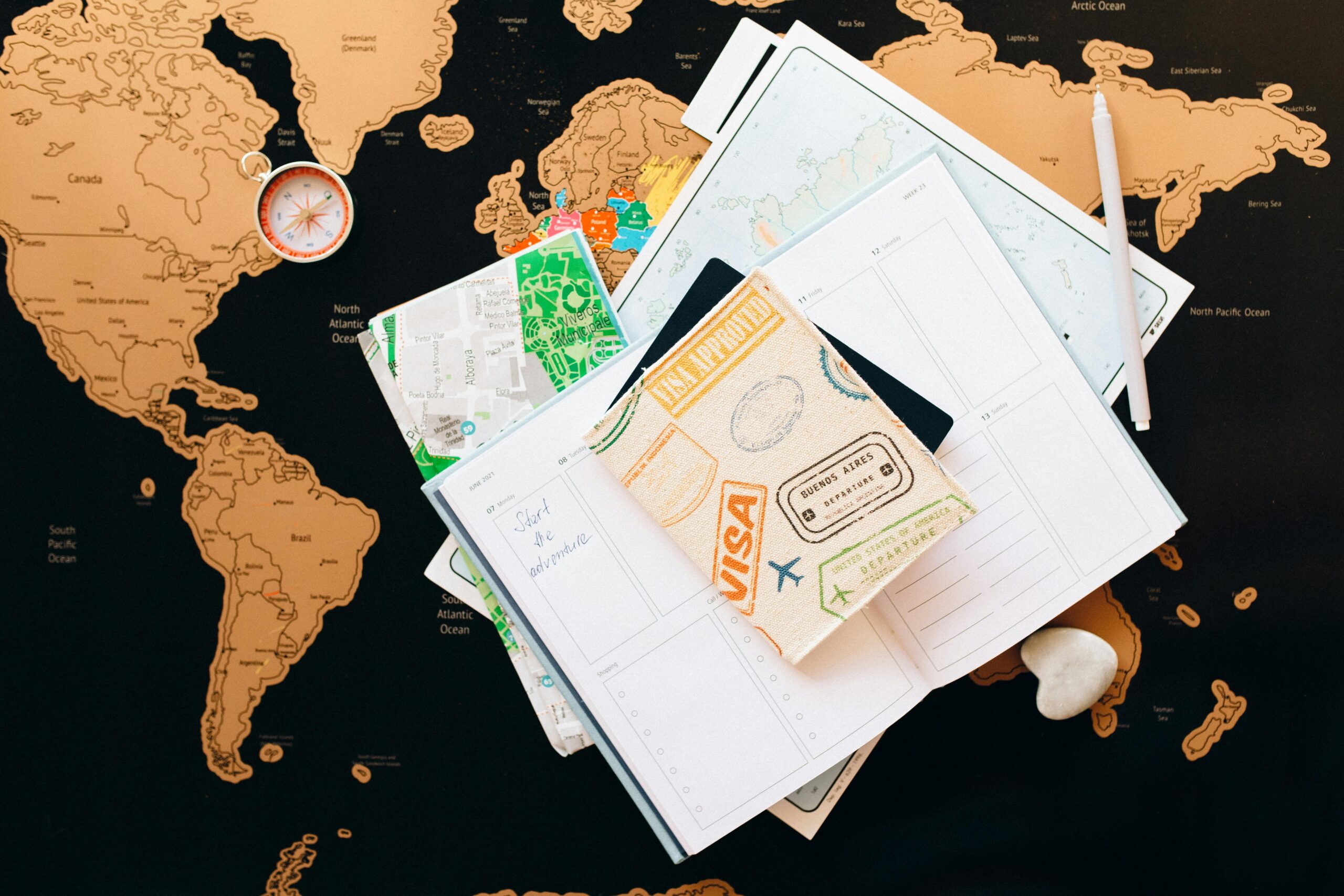
The administrative work of visa applications, the financial planning, and the logistical challenges all serve a greater purpose—creating space for a life designed around your values rather than default societal expectations. Each stamped passport page represents not just a country visited but a choice to prioritize experience over convention, growth over comfort, and adventure over security.
Your global adventure awaits, no longer confined to brief vacation windows but stretched across months and years of intentional, legal, sustainable slow travel. The digital nomad visa revolution has opened doors that previous generations could only dream about. With careful planning, realistic expectations, and willingness to embrace both challenges and incredible opportunities, you can unlock a lifestyle that transforms work from a location-bound obligation into a passport for worldwide exploration.
Start your research today, begin gathering documents, and take the first steps toward the adventure that’s calling you. The world is more accessible to location-independent professionals than ever before—and it’s waiting for you to explore it at exactly the pace that feels right. ✨
