
Anúncios
The textile and fashion industries stand at a crossroads between tradition and innovation, where ancient natural dyeing techniques meet modern sustainability demands for a colorful, eco-conscious future.
🌿 The Ancient Art Meets Modern Necessity
Natural dyes have colored human civilization for thousands of years, from the royal purples of Phoenician murex shells to the vibrant indigos of Asian textile traditions. Today, as environmental consciousness awakens across industries, these age-old techniques are experiencing a remarkable renaissance. The global natural dyes market is projected to grow significantly as consumers and manufacturers alike seek alternatives to synthetic petroleum-based colorants that have dominated the industry for over a century.
Anúncios
The shift toward natural dyes represents more than nostalgia—it’s a practical response to the environmental crisis facing our planet. Synthetic dyes contribute approximately 20% of global water pollution, releasing heavy metals, toxic chemicals, and persistent organic pollutants into waterways. Meanwhile, the fashion industry alone produces more carbon emissions than international flights and maritime shipping combined. Natural dyes offer a tangible solution to reduce this devastating environmental footprint.
Understanding the Rainbow of Natural Colorants
Natural dyes derive from plants, minerals, insects, and microorganisms, each offering unique color profiles and ecological benefits. These sustainable alternatives create colors that evolve beautifully over time, developing rich patinas that synthetic dyes cannot replicate.
Anúncios
Plant-Based Dyes: Nature’s Vibrant Palette 🌸
The plant kingdom provides an extraordinary spectrum of colors. Madder root produces stunning reds and oranges, while indigo leaves yield the iconic blues that have clothed civilizations from ancient Egypt to modern denim culture. Turmeric offers golden yellows, weld creates bright lemon tones, and logwood delivers deep purples and blacks. Even common kitchen scraps like onion skins, avocado pits, and red cabbage can produce surprisingly beautiful hues.
These botanical sources are often renewable, biodegradable, and can be cultivated using sustainable agricultural practices. Many dye plants also serve multiple purposes—indigo enriches soil with nitrogen, while madder’s roots improve soil structure. This multi-functionality makes them valuable additions to regenerative farming systems.
Animal and Mineral Sources
Cochineal insects provide brilliant crimsons and scarlets, used in everything from textiles to cosmetics and food coloring. While animal-derived, cochineal farming can be conducted ethically with minimal environmental impact compared to synthetic alternatives. Lac insects similarly produce rich reds while creating shellac as a byproduct.
Mineral-based dyes include iron-rich mud that creates blacks and grays, and various earth pigments that offer ochres, siennas, and umbers. These geological colorants connect us to the earth itself, creating colors with remarkable permanence and depth.
The Environmental Imperative for Change
The environmental case for natural dyes extends far beyond pollution reduction. Synthetic dye production requires enormous energy inputs, petroleum feedstocks, and generates hazardous waste that persists in ecosystems for decades. Many synthetic dyes contain carcinogens, hormone disruptors, and allergens that affect both textile workers and end consumers.
Water consumption presents another critical concern. Conventional textile dyeing uses approximately 1.7 million tons of chemicals annually and requires vast quantities of water—producing a single cotton t-shirt can consume 2,700 liters of water. Natural dyeing processes, especially when combined with innovative techniques, can dramatically reduce water usage while eliminating toxic chemical discharge.
Carbon Footprint Considerations ♻️
Natural dye production typically generates significantly lower carbon emissions than synthetic alternatives. Plant cultivation captures atmospheric carbon, and processing requires less energy-intensive chemical synthesis. When sourced locally and processed using renewable energy, natural dyes can approach carbon neutrality or even become carbon-negative.
The biodegradability of natural dyes means they don’t accumulate in ecosystems or food chains. Unlike synthetic dyes that can persist for centuries, natural colorants break down harmlessly, returning nutrients to soil and water systems without causing lasting environmental damage.
Innovative Production Techniques for Sustainable Dyeing
Modern natural dyeing has evolved far beyond traditional methods, incorporating scientific understanding and technological innovation to improve efficiency, consistency, and environmental performance.
Low-Impact Extraction Methods
Contemporary natural dyers employ various extraction techniques optimized for sustainability. Solar dyeing harnesses sunlight to extract color, eliminating energy costs entirely. Fermentation vats use biological processes to develop colors, particularly for indigo, reducing water and energy requirements. Ultrasonic extraction employs sound waves to release pigments more efficiently, shortening processing times and conserving resources.
These methods often produce more vibrant, longer-lasting colors than older techniques while reducing environmental impact. They also allow better control over color consistency, addressing one of the traditional challenges of natural dyeing.
Water Conservation Strategies 💧
Water scarcity makes conservation essential in sustainable textile production. Closed-loop dyeing systems recirculate water, removing impurities and reusing the same water multiple times. Some producers have reduced water consumption by over 90% compared to conventional methods.
Waterless dyeing technologies are emerging, using supercritical CO2 or air-based systems to apply natural dyes without liquid water. While still developing, these approaches promise revolutionary reductions in water usage and wastewater generation.
The Economics of Natural Dyes in Commercial Production
Cost has traditionally limited natural dye adoption in commercial textile production. Synthetic dyes offer cheaper, more consistent colors with established supply chains. However, this economic equation is shifting as environmental regulations tighten and consumer preferences evolve.
Price Competitiveness and Market Dynamics
Natural dyes currently cost more per unit than synthetics, but this price differential narrows when accounting for environmental remediation, wastewater treatment, and regulatory compliance costs associated with conventional dyeing. As carbon pricing and pollution penalties increase, natural dyes become increasingly cost-competitive.
Premium markets already embrace natural dyes enthusiastically. Consumers willing to pay more for sustainable, ethical products create profitable niches for naturally dyed textiles. This premium positioning allows brands to cover higher production costs while building strong sustainability credentials.
Scaling Production While Maintaining Standards
Scaling natural dye production requires addressing agricultural capacity, processing infrastructure, and supply chain logistics. Successful commercial operations partner with farming cooperatives to ensure reliable dye plant supplies while supporting rural economies. Vertical integration, where brands control cultivation through finished products, helps maintain quality and sustainability standards.
Technological improvements in extraction, application, and fixation methods enable larger production volumes while maintaining environmental benefits. Investment in research and development continues to improve efficiency and reduce costs, making natural dyes increasingly viable for mainstream production.
🎨 Color Fastness and Quality Performance
Historically, synthetic dyes dominated markets partly due to superior color fastness—resistance to fading from washing, light exposure, and abrasion. Modern natural dyeing has largely overcome these limitations through improved mordanting techniques, better dye selection, and enhanced application methods.
Mordants and Fixatives: The Chemistry of Permanence
Mordants are substances that help dyes bond with fibers, improving colorfastness and brightness. Traditional mordants included aluminum (from alum), iron, copper, and tin compounds. Contemporary practice emphasizes low-toxicity alternatives like aluminum acetate and innovative bio-mordants derived from plants like tannin-rich species.
Proper mordanting can make natural dyes as colorfast as synthetics for most applications. Textiles properly dyed with natural colorants and appropriate mordants withstand repeated washing, years of sunlight exposure, and normal wear without significant fading. This durability ensures naturally dyed products offer excellent value and longevity.
Regenerative Agriculture and Dye Plant Cultivation
Growing dye plants using regenerative agricultural principles amplifies sustainability benefits. These practices build soil health, increase biodiversity, sequester carbon, and create resilient farming ecosystems that improve rather than degrade the environment.
Polyculture and Ecosystem Integration 🌾
Rather than monoculture plantations, regenerative dye farms integrate multiple species. Indigo might grow alongside nitrogen-fixing legumes, pollinator-attracting flowers, and complementary crops. This diversity creates balanced ecosystems resistant to pests and diseases, reducing or eliminating pesticide requirements.
Many dye plants thrive in marginal conditions unsuitable for food crops, allowing cultivation on land that would otherwise remain unproductive. This expands agricultural possibilities without competing with food production or requiring deforestation.
Supporting Rural Communities and Traditional Knowledge
Natural dye cultivation often occurs in rural areas, providing meaningful employment and preserving traditional agricultural knowledge. Fair trade partnerships ensure farmers receive equitable compensation while maintaining environmental standards. This economic development model respects cultural heritage while creating sustainable livelihoods.
Indigenous and traditional communities possess irreplaceable knowledge about dye plants, cultivation methods, and processing techniques developed over generations. Respectful collaboration protects this intellectual property while sharing benefits equitably, supporting cultural preservation alongside environmental sustainability.
Consumer Education and Market Transformation
Transforming textile markets toward natural dyes requires educating consumers about environmental impacts, quality differences, and value propositions. Transparent communication builds understanding and willingness to embrace sustainably produced goods.
Storytelling and Transparency 📖
Naturally dyed products carry compelling stories—the plants that provided color, the farmers who grew them, the artisans who applied ancient techniques with modern understanding. Brands that share these narratives create emotional connections and help consumers understand the value embedded in each piece.
Transparency about sourcing, production methods, and environmental impact builds trust. Certifications like GOTS (Global Organic Textile Standard) and OEKO-TEX provide third-party verification of sustainability claims, helping consumers make informed choices.
Embracing Natural Variation as Beauty
Natural dyes produce subtle variations that synthetic uniformity cannot replicate. Rather than viewing this as inconsistency, educating consumers to appreciate natural variation as evidence of authenticity transforms perceived limitations into valued characteristics. Each piece becomes unique, carrying the signature of its natural origins.
This aesthetic shift aligns with broader movements toward imperfection, authenticity, and rejection of mass-produced uniformity. Naturally dyed textiles embody these values tangibly, offering alternatives to fast fashion’s disposable homogeneity.
The Future Palette: Innovations on the Horizon 🔬
Scientific research continues expanding natural dye possibilities through biotechnology, material science, and process engineering. These innovations promise to overcome remaining limitations while maintaining environmental benefits.
Microbial and Enzymatic Color Production
Researchers are developing bacteria, fungi, and algae that produce natural dyes through fermentation. These microbial factories can generate colors using agricultural waste as feedstock, creating closed-loop systems with minimal environmental impact. Enzymatic processes offer precise control over color development with reduced energy and water requirements.
These biotechnological approaches could dramatically reduce costs while maintaining the biodegradability and low toxicity of traditional natural dyes. They represent a fusion of ancient wisdom and cutting-edge science.
Nanotechnology and Smart Textiles
Nanoparticle carriers can improve natural dye penetration and fixation, reducing processing time and improving colorfastness. Smart textiles incorporating natural dyes might respond to environmental conditions, changing color with temperature or pH shifts. These innovations expand functional possibilities while maintaining sustainability commitments.
Taking Action: Your Role in the Color Revolution 🌈
Individual choices collectively transform markets. Consumers voting with purchasing power accelerate the shift toward sustainable production. Supporting naturally dyed products sends clear market signals encouraging more brands to adopt these practices.
Beyond purchasing decisions, advocating for transparency, asking brands about their dyeing processes, and sharing information amplifies impact. Home experimentation with natural dyes builds personal understanding and appreciation for these techniques, connecting us directly to the creative possibilities of plant-based color.
Educational institutions, designers, and entrepreneurs exploring natural dyes drive innovation and normalize these practices. Each small business choosing natural dyes, each design student learning traditional techniques, each consumer asking questions contributes to market transformation.
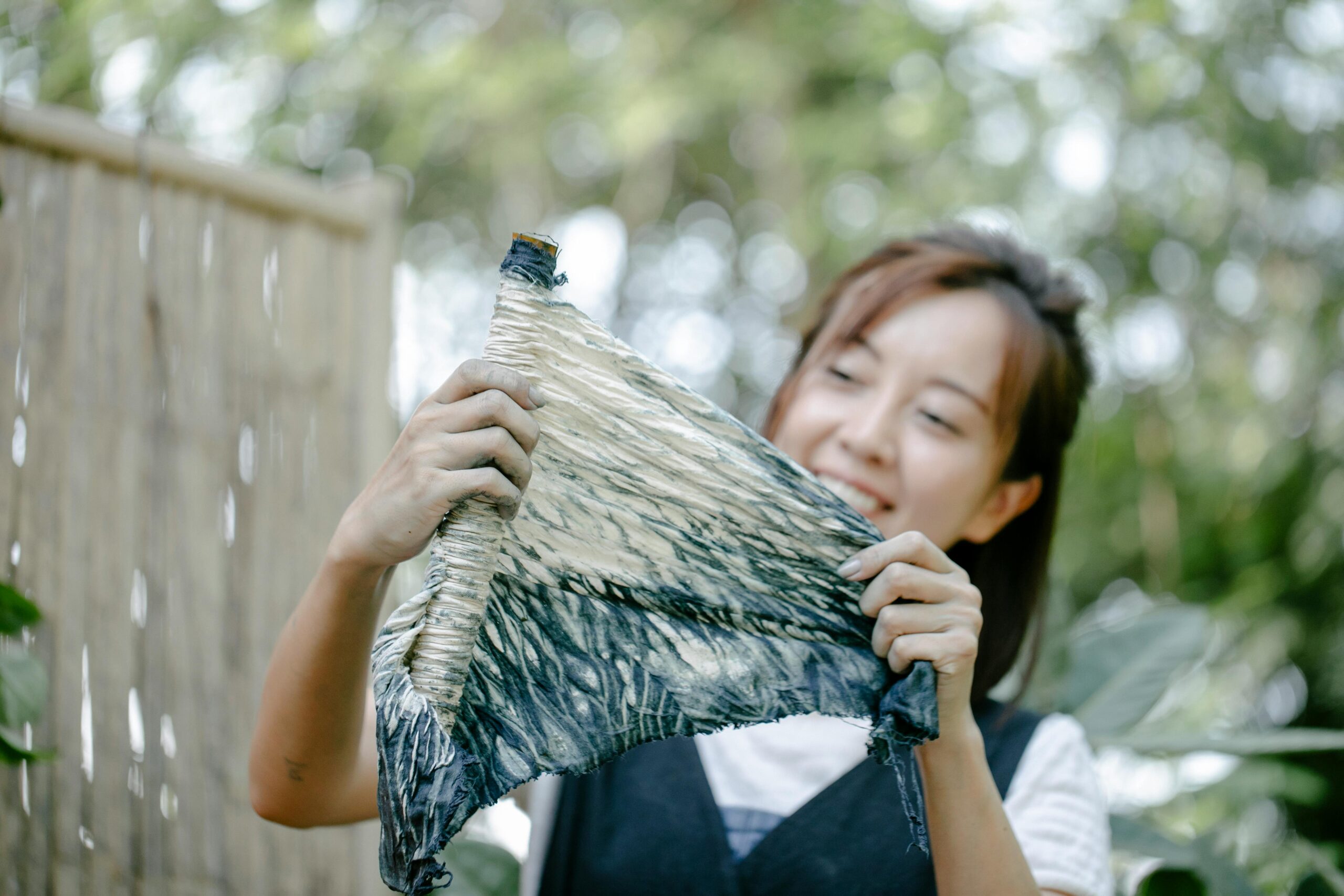
Weaving a More Colorful, Sustainable Tomorrow
The renaissance of natural dyes represents more than environmental necessity—it embodies a reconnection with natural cycles, traditional wisdom, and mindful production. These ancient techniques, enhanced by modern understanding, offer viable pathways toward truly sustainable textile industries that enhance rather than degrade our world.
The vibrant colors derived from plants, minerals, and microorganisms prove that environmental responsibility need not mean sacrificing beauty or quality. Instead, natural dyes offer richer, more meaningful aesthetics that carry stories of place, people, and ecological harmony.
As we color the future with natural dyes and sustainable production methods, we create more than beautiful textiles—we weave a new relationship with the natural world, one that honors interdependence, respects ecological limits, and celebrates the abundant creativity possible within those boundaries. This colorful revolution invites everyone to participate in crafting a greener, more vibrant world where human creativity and natural systems flourish together.
The transformation has begun, accelerating as awareness grows and solutions mature. By embracing natural dyes, supporting sustainable production, and demanding transparency, we collectively paint a future where fashion and textiles contribute to ecological healing rather than environmental destruction. The palette is ready—the future awaits our creative, conscious choices to bring it into full, brilliant color.
