
Anúncios
Flying responsibly means understanding your carbon footprint and choosing airlines committed to sustainability. This guide empowers travelers to make eco-conscious decisions while exploring our planet.
✈️ Understanding Aviation’s Environmental Impact
Aviation contributes approximately 2-3% of global carbon emissions, but its impact extends beyond CO2. Aircraft emissions at high altitudes produce contrails and release nitrogen oxides, water vapor, and particulates that amplify the warming effect. The true climate impact of flying is estimated to be 2-4 times higher than CO2 emissions alone when these non-CO2 effects are considered.
Anúncios
A single transatlantic flight can generate more emissions per passenger than many people produce from their cars in an entire year. The average economy class passenger on a round-trip flight from New York to London generates approximately 1.6 tons of CO2. This sobering reality underscores why choosing low-carbon airlines and sustainable travel practices matters significantly.
The aviation industry faces mounting pressure to decarbonize. While technological innovations and sustainable aviation fuels show promise, current solutions cannot completely eliminate aviation’s environmental footprint. This makes passenger choices increasingly important in driving industry transformation toward sustainability.
Anúncios
🌱 What Makes an Airline Low-Carbon?
Low-carbon airlines distinguish themselves through multiple sustainability initiatives. Modern fuel-efficient aircraft represent the foundation of reduced emissions. Airlines operating newer fleets with models like the Airbus A350, Boeing 787 Dreamliner, or Airbus A220 consume 15-25% less fuel than older generation aircraft.
Sustainable Aviation Fuel (SAF) adoption separates environmental leaders from followers. SAF can reduce lifecycle carbon emissions by up to 80% compared to conventional jet fuel. Airlines like KLM, United, and Lufthansa have committed to significant SAF usage, though current availability limits widespread implementation.
Operational efficiency measures matter tremendously. These include optimized flight routes, single-engine taxiing, reduced aircraft weight through lighter materials, and improved maintenance schedules. Airlines publishing transparent emission data and setting science-based reduction targets demonstrate genuine commitment rather than greenwashing.
Carbon offset programs, while controversial, indicate airline engagement with sustainability. Quality programs invest in verified projects that genuinely reduce emissions elsewhere, such as reforestation or renewable energy initiatives. However, offsets should complement—not replace—actual emission reductions.
📊 Comparing Major Airlines on Sustainability
Not all airlines approach sustainability equally. European carriers generally lead in environmental initiatives due to stricter EU regulations and carbon pricing mechanisms. Scandinavian Airlines (SAS), KLM Royal Dutch Airlines, and Air France consistently rank among the most sustainable options for transatlantic travel.
In North America, Alaska Airlines stands out for its comprehensive sustainability program, including being the first airline to fly with sustainable aviation fuel on transcontinental flights. United Airlines has made substantial SAF commitments and invests in direct air capture technology. JetBlue focuses on carbon offsetting and operates one of the youngest, most fuel-efficient fleets among U.S. carriers.
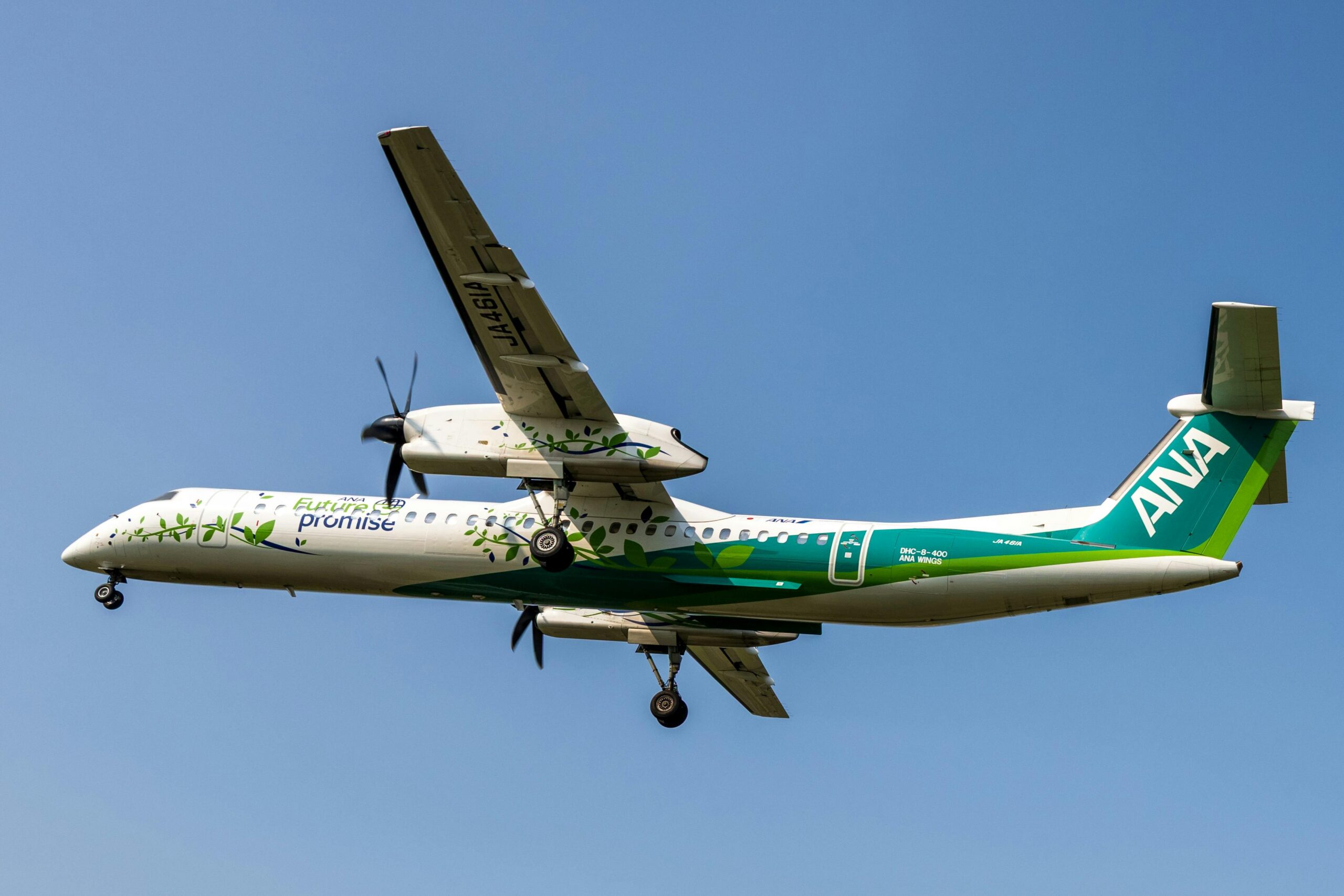
Asian carriers show mixed performance. Japan Airlines and All Nippon Airways implement rigorous efficiency measures and invest in SAF development. Singapore Airlines operates modern, fuel-efficient aircraft and has comprehensive environmental reporting. However, rapid growth in some Asian markets complicates emission reduction efforts.
Budget carriers present an interesting paradox. While they often operate newer, more efficient aircraft and maximize passenger loads (reducing per-passenger emissions), their low fares stimulate demand and potentially increase overall flying. Airlines like EasyJet have committed to carbon neutrality and invest in next-generation aircraft technology.
🗺️ Choosing Eco-Friendly Routes and Flight Options
Route selection significantly impacts your carbon footprint. Direct flights always beat connecting flights environmentally. Takeoffs and landings consume disproportionate fuel, making layovers carbon-intensive. A direct flight from Los Angeles to Paris produces approximately 30% fewer emissions per passenger than routing through a connecting hub.
Flight time matters too. Daytime flights avoid contributing to nighttime contrail formation, which traps heat more effectively than daytime contrails that reflect sunlight. While this consideration remains secondary to other factors, environmentally conscious travelers can weigh it when choosing between similar options.
Aircraft type makes substantial difference. Newer widebody aircraft like the Boeing 787 or Airbus A350 offer superior fuel efficiency compared to older Boeing 777 or Airbus A330 models. Most booking platforms now display aircraft type, allowing informed decisions. Regional jets on short routes often produce higher per-passenger emissions than larger aircraft on the same route.
Cabin class affects your personal carbon footprint significantly. Business and first-class seats occupy more space, meaning fewer passengers share the flight’s total emissions. A business class passenger’s carbon footprint can be 2-3 times higher than economy, while first-class can be up to 4 times higher. Premium economy offers a compromise with moderately increased footprint.
💡 Digital Tools for Sustainable Flight Planning
Several platforms help environmentally conscious travelers assess and reduce their aviation carbon footprint. Google Flights now displays CO2 emission estimates for each flight option, calculated using methodology from the European Environmental Agency. This transparency empowers comparison shopping based on environmental impact alongside price and convenience.
Atmosfair, a German nonprofit, offers detailed flight carbon calculators that account for aircraft type, route, and cabin class. Their website provides airline efficiency rankings and comprehensive carbon offset options tied to high-quality climate protection projects.
The International Council on Clean Transportation (ICCT) publishes airline fuel efficiency rankings, offering data-driven insights into carrier performance. Their methodology accounts for aircraft type, route structure, and operational practices, providing objective sustainability comparisons.

Flightradar24 helps environmentally conscious travelers identify specific aircraft operating their flights, enabling verification of airline efficiency claims and selection of newer, cleaner aircraft options when multiple flights serve the same route.
🌍 Offsetting Unavoidable Flight Emissions
Carbon offsetting remains controversial but serves as a practical tool for travelers unable to avoid flying. Quality offsets fund verified projects that reduce atmospheric CO2 through renewable energy development, forest conservation, or methane capture initiatives.
Selecting credible offset programs requires scrutiny. Look for certifications from Gold Standard, Verified Carbon Standard (VCS), or similar independent verification bodies. These ensure projects genuinely reduce emissions beyond what would occur otherwise—a concept called “additionality.”
Airline-integrated offset programs offer convenience but vary in quality. Research whether the airline uses verified credits, transparently reports project details, and adds funds toward offsets rather than simply passing costs to customers. Third-party offset providers like Atmosfair, myclimate, or Cool Effect often provide more transparent options with detailed project information.
Understand that offsets cannot fully compensate for flight emissions. They create emission reductions elsewhere rather than eliminating aviation’s atmospheric impact. Consider offsets as complementary to choosing efficient airlines and reducing flight frequency rather than permission to fly guilt-free.
🚆 Alternatives Worth Considering
The most sustainable flight is the one not taken. Ground transportation alternatives deserve serious consideration for shorter distances. High-speed rail networks in Europe and Asia offer comfortable, low-carbon alternatives for journeys under 500 miles or approximately 4-5 hours.
Trains emit roughly 80-90% less CO2 per passenger-kilometer than aircraft. The Paris-to-Amsterdam journey by train produces about 4 kg CO2 compared to approximately 100 kg by plane. Night trains, experiencing revival across Europe, enable travelers to cover long distances while sleeping, saving accommodation costs and time.
For North American travelers, trains remain less competitive due to infrastructure limitations, but regional routes like Boston-New York-Washington offer viable alternatives. Bus services provide another low-carbon option, with modern coaches producing significantly fewer emissions than air travel.
When flying proves necessary, consider trip batching—combining multiple destinations in one journey rather than making separate trips. Extended stays reduce per-day travel emissions. Remote work flexibility enables slower, more sustainable travel patterns with longer stays in fewer destinations.
🔮 The Future of Sustainable Aviation
Aviation technology advances rapidly toward decarbonization. Electric aircraft show promise for short-haul flights within the next decade. Companies like Heart Aerospace and ZeroAvia develop electric and hydrogen-powered regional aircraft that could revolutionize sustainable short-distance air travel.
Sustainable aviation fuel represents the most immediate pathway to emission reductions. While currently expensive and limited in supply, SAF production capacity expands. Airlines and governments invest billions in development and infrastructure. By 2030, industry targets suggest SAF could power 10% of global aviation fuel needs.
Hydrogen propulsion emerges as a promising long-term solution. Airbus commits to developing hydrogen-powered commercial aircraft by 2035. Hydrogen produces only water vapor when burned, though production method sustainability varies significantly. Green hydrogen from renewable energy offers truly zero-carbon aviation potential.
Regulatory frameworks increasingly push aviation toward sustainability. The EU’s Carbon Border Adjustment Mechanism and strengthening emissions trading systems create financial incentives for cleaner operations. As carbon pricing expands globally, airlines face growing pressure to decarbonize or face competitive disadvantage.
✨ Practical Steps for Your Next Flight
Implementing sustainable flying practices requires intentional decision-making. Start by questioning trip necessity—can virtual meetings replace some business travel? Could trains serve certain routes? When flying remains the best option, book early to secure direct flights on fuel-efficient aircraft with sustainability-focused airlines.
Choose economy class whenever possible to minimize your personal emissions footprint. Pack light, as every kilogram increases fuel consumption. Bring reusable water bottles and refuse single-use plastics onboard, reducing waste burden.
Research airline sustainability reports before booking. Carriers publishing transparent emission data, science-based reduction targets, and detailed sustainability strategies demonstrate genuine commitment. Support these leaders with your business while communicating with less responsible airlines about environmental expectations.
Calculate and offset your flight emissions through reputable programs. While imperfect, quality offsets contribute to global emission reductions. Better yet, invest equivalent amounts in personal lifestyle changes that reduce your ongoing carbon footprint—home energy efficiency, renewable energy, plant-based diet, or sustainable transportation.
Advocate for policy changes supporting sustainable aviation. Contact airlines requesting greater SAF adoption, improved efficiency, and transparent reporting. Support government policies pricing carbon emissions, funding clean aviation research, and improving rail infrastructure as flight alternatives.
🌟 Making Sustainable Travel Your Default
Transforming aviation into a sustainable industry requires collective action from travelers, airlines, manufacturers, and policymakers. Individual choices matter significantly when multiplied across millions of passengers. Each decision to fly less, choose efficient airlines, select direct routes, and offset emissions contributes to broader transformation.
Sustainable travel extends beyond carbon considerations. Support local economies, respect cultural heritage, minimize waste, and protect natural environments at your destinations. True sustainable travel harmonizes exploration desires with planetary stewardship.
The contradiction between wanderlust and environmental responsibility challenges modern travelers. Rather than abandoning travel entirely, we can fly more thoughtfully—less frequently, more purposefully, and with greater consideration for environmental impact. Quality experiences over quantity of trips often proves more fulfilling anyway.
Technology improvements and industry innovation will drive substantial aviation emission reductions in coming decades. Meanwhile, passenger choices today accelerate this transition. Airlines respond to customer priorities—demonstrating demand for sustainable options influences corporate strategy and investment decisions.
Flying green requires research, intentionality, and sometimes compromise. The convenience of the cheapest fare or most convenient schedule doesn’t always align with sustainability. Balancing these considerations represents the practical reality of sustainable travel in our interconnected world.
Your next flight offers opportunity to demonstrate environmental values through informed choices. Select airlines committed to measurable sustainability progress, choose efficient routes and aircraft, offset remaining emissions, and complement flying with low-carbon travel options whenever possible. Together, these actions shape a more sustainable future for aviation and our planet. ✈️🌍
