
Anúncios
Modern outdoor enthusiasts demand more from their gear: performance that doesn’t compromise the planet, style that transitions seamlessly from trail to town, and comfort that endures every adventure.
The outdoor apparel industry has undergone a remarkable transformation in recent years. Gone are the days when choosing sustainable gear meant sacrificing performance or settling for unflattering designs. Today’s environmentally conscious adventurers can access cutting-edge jackets that deliver exceptional weather protection, breathability, and durability while minimizing environmental impact. This evolution represents a fundamental shift in how we approach outdoor gear, where ethical production and high performance are no longer mutually exclusive but rather complementary elements of superior design.
Anúncios
As climate change accelerates and outdoor spaces face mounting pressures, the choices we make about our gear carry increasing significance. Every purchase represents a vote for the kind of industry—and world—we want to support. Fortunately, innovative brands are rising to meet this moment with jackets that prove sustainability and performance can coexist beautifully.
🌿 Understanding Low-Impact Manufacturing in Outdoor Apparel
Low-impact manufacturing encompasses a comprehensive approach to reducing environmental harm throughout a product’s lifecycle. This philosophy extends far beyond simply using recycled materials, though that’s certainly an important component. It involves examining every stage of production, from raw material sourcing to factory energy consumption, water usage, chemical treatments, transportation methods, and end-of-life considerations.
Anúncios
Leading sustainable jacket manufacturers prioritize several key practices. They utilize renewable energy in their facilities, implement closed-loop water systems that dramatically reduce consumption, eliminate hazardous chemicals from their treatments and dyes, and design products with repairability and recyclability in mind. Many also maintain transparent supply chains, allowing consumers to trace their jacket’s journey from fiber to finished product.
The materials themselves represent one of the most significant opportunities for impact reduction. Recycled polyester derived from plastic bottles, reclaimed fishing nets, and post-consumer textile waste offers performance comparable to virgin synthetics while diverting waste from landfills and oceans. Organic cotton, responsibly sourced down, and innovative plant-based materials like eucalyptus fiber provide natural alternatives with substantially lower environmental footprints than conventional options.
The Revolution in Sustainable Technical Fabrics
Technical fabric innovation has accelerated dramatically, delivering materials that rival or exceed traditional performance benchmarks. Recycled nylon, for instance, now matches the strength, durability, and weather resistance of virgin nylon while reducing carbon emissions by up to 80% during production. Advanced manufacturing techniques have eliminated the quality gaps that once existed between recycled and new materials.
Waterproofing technology has similarly evolved. Traditional DWR (durable water repellent) treatments contained harmful PFCs (perfluorinated chemicals) that persist in the environment and accumulate in living organisms. New fluorine-free alternatives provide excellent water beading and breathability without these toxic forever chemicals. Brands committed to low-impact production have completely phased out PFC-based treatments, proving that environmental responsibility need not compromise weather protection.
⛰️ Performance Features That Matter on the Trail
High-performance outdoor jackets must deliver on several critical fronts regardless of their sustainability credentials. Weather protection sits at the top of this list—your jacket should keep you dry in driving rain, block biting winds, and resist snow accumulation. Look for sealed seams, adjustable hoods with reinforced brims, and protective storm flaps over zippers to ensure comprehensive coverage.
Breathability proves equally essential, especially during high-output activities. A jacket that traps perspiration creates uncomfortable dampness that can lead to dangerous chilling when you stop moving. Advanced membrane technologies and strategic ventilation systems allow moisture vapor to escape while preventing external water from entering. Underarm vents, back vents, and breathable fabric panels work together to regulate temperature across varying activity levels.
Durability determines whether your jacket becomes a trusted long-term companion or a disappointment headed for early retirement. Reinforced high-wear areas—shoulders under pack straps, elbows, and cuffs—extend lifespan considerably. Quality construction with bar-tacked stress points and robust hardware ensures your investment endures countless adventures. The most sustainable jacket is ultimately the one you keep using year after year.
Versatility Across Activities and Seasons
The best outdoor jackets adapt to diverse conditions and activities rather than serving a single narrow purpose. Thoughtful design features enable this versatility. Removable insulation layers allow a single jacket to function across three seasons. Adjustable cuffs, hems, and hoods customize fit and protection level. Multiple pockets with various closure types accommodate different carrying needs from valuables to snacks to navigation tools.
Consider how your jacket performs during different activities. A design optimized for backpacking should sit comfortably under hip belt and shoulder straps without restricting movement or creating pressure points. Climbing-specific features might include helmet-compatible hoods, harness-friendly pocket placement, and articulated sleeves for overhead reaches. Trail running jackets prioritize packability and minimal weight while maintaining core protective functions.
🎨 Style That Transitions from Summit to Street
Contemporary outdoor jackets have shed the purely functional aesthetic that once dominated the category. Today’s designs seamlessly blend technical performance with urban style sensibilities, creating pieces that look as appropriate in mountain town cafes as they do on windswept ridges. This aesthetic evolution matters for practical reasons—a jacket you’re excited to wear regularly delivers better value than specialized gear that languishes in your closet between adventures.
Color palettes have expanded beyond basic primaries and earth tones to include sophisticated neutrals, pastels, and thoughtfully curated accent shades. Clean lines, strategic seam placement, and refined detailing create silhouettes that complement various body types and personal styles. Many brands now collaborate with designers and style consultants to ensure their technical pieces meet contemporary fashion standards while maintaining uncompromising performance.
The fit revolution in outdoor apparel particularly benefits those who found traditional designs unflattering or uncomfortable. Brands increasingly offer diverse sizing options including tall, petite, and plus-size ranges with proper proportional adjustments rather than simple scaling. Some manufacturers provide customization options for sleeve length, torso dimensions, and other specifications to achieve truly personalized fit.
🌍 Measuring True Sustainability Beyond Marketing Claims
As consumer demand for sustainable products grows, so does the prevalence of greenwashing—misleading marketing that exaggerates environmental credentials. Discerning outdoor enthusiasts need tools to evaluate genuine sustainability commitments versus superficial claims. Several frameworks and certifications help navigate this landscape, though none tell the complete story on their own.
The bluesign® system represents one of the most comprehensive standards, addressing every stage of textile production from raw materials through finished products. Certified factories meet strict criteria for resource efficiency, consumer safety, water and air emissions, and occupational health. Fair Trade certification ensures ethical labor practices and community investment in manufacturing regions. 1% for the Planet members contribute at least one percent of annual sales to environmental organizations, demonstrating financial commitment to conservation.
B Corporation certification evaluates entire business operations against rigorous standards of social and environmental performance, accountability, and transparency. Companies must demonstrate positive impact across all stakeholders—workers, communities, customers, and the environment—not just shareholders. Climate Neutral certification verifies that a company has measured, offset, and reduced its carbon footprint according to verified standards.
Reading Between the Marketing Lines
Beyond formal certifications, examine specific claims critically. What percentage of materials are actually recycled or organic? Does “eco-friendly” refer to one component or the entire product? Are sustainability initiatives core to the business model or peripheral marketing additions? Genuine leaders provide detailed transparency reports, openly acknowledge areas for improvement, and set measurable goals with accountability timelines.
Consider the complete product lifecycle. A jacket made from recycled materials still carries environmental costs if produced in polluting factories, shipped inefficiently, or designed for rapid obsolescence. The most sustainable approach combines responsible materials with ethical manufacturing, efficient distribution, long lifespan through quality construction, repair programs, and end-of-life recycling or responsible disposal options.
💎 Key Features to Prioritize When Selecting Your Jacket
With countless options available, focusing on essential features helps narrow the field to jackets that genuinely suit your needs. Start by honestly assessing your typical outdoor activities, climate conditions, and usage frequency. A weekend hiker in moderate climates needs different features than a backcountry skier facing extreme weather or an urban cyclist navigating rain commutes.
Waterproofing ratings provide useful comparisons when properly understood. These numbers measure water column pressure—how many millimeters of standing water the fabric withstands before leaking. Ratings of 5,000-10,000mm handle light to moderate rain. 10,000-20,000mm suits most outdoor activities including sustained precipitation. Above 20,000mm offers protection for extreme conditions and professional applications. Remember that construction quality—sealed seams, waterproof zippers—matters as much as fabric ratings.
Breathability measurements help predict comfort during activity. The most common metric, MVTR (moisture vapor transmission rate), indicates how many grams of water vapor pass through one square meter of fabric in 24 hours. Higher numbers mean better breathability. Ratings around 5,000g suit low-intensity activities. 10,000-15,000g handles moderate activity. Above 20,000g provides excellent vapor transfer for high-output pursuits. However, testing methods vary between manufacturers, making direct comparisons challenging.
Weight and Packability Considerations
Weight significantly impacts your outdoor experience, especially during long-distance travel or multi-day adventures where every ounce counts. Ultralight jackets weighing 6-10 ounces offer impressive packability but may sacrifice durability. Midweight options at 10-16 ounces balance protection, features, and reasonable weight. Heavier jackets above one pound typically provide maximum durability and weather resistance for extreme conditions or professional use.
Packability relates to but differs from weight. Some lightweight materials bulk considerably when stuffed, while heavier fabrics may compress remarkably small. Consider whether your jacket needs to fit in a small pack pocket for easy access or can occupy more space in your main compartment. Some designs include integrated stuff sacks or pack into their own pocket for convenient carrying.
🔧 Maintaining Your Investment for Maximum Longevity
Proper care dramatically extends your jacket’s lifespan, maximizing both your investment and environmental benefit. Regular cleaning maintains performance by removing dirt, oils, and residue that compromise waterproofing and breathability. Contrary to common belief, technical fabrics need periodic washing—accumulated grime actually degrades materials faster than appropriate cleaning.
Use technical fabric-specific detergents that clean effectively without leaving residues that clog membrane pores or attract dirt. Avoid standard detergents, fabric softeners, and bleach, which damage waterproof treatments and breathable membranes. Front-loading washing machines on gentle cycles provide thorough cleaning without the aggressive agitation of top-loaders. Rinse twice to ensure complete detergent removal.
Reactivating DWR treatments restores water-repellent performance over time. Tumble drying on low heat for 20 minutes often revives existing treatments. When beading no longer occurs, apply spray-on or wash-in DWR products following manufacturer instructions. Always choose fluorine-free formulations that match your jacket’s sustainability standards.
Repair, Don’t Replace
Minor damage need not end your jacket’s service life. Learn basic repairs—patching small tears with repair tape, replacing broken zipper sliders, reattaching loose buttons—or utilize brand repair services. Many sustainable companies offer free or low-cost repairs, recognizing that extending product life represents the ultimate sustainability practice. Some even guarantee repairs for the lifetime of the garment.
Store jackets properly during off-seasons. Clean thoroughly before storage to prevent oils and residues from degrading materials. Hang in cool, dry locations away from direct sunlight rather than compressed in bins where fabric creasing can damage waterproof coatings. Ensure adequate ventilation to prevent moisture accumulation and musty odors.
🏔️ Making Your Purchase Count Toward Conservation
Your jacket purchase can extend beyond personal benefit to support broader conservation efforts. Many sustainable outdoor brands allocate percentages of sales to environmental organizations, trail maintenance, habitat restoration, and climate action initiatives. This model creates a direct connection between consuming and conserving, turning each purchase into a contribution toward protecting the wild places we cherish.
Some companies go further with innovative models. Product registration programs contribute to specific conservation projects based on documented usage—your jacket literally funds protection for the ecosystems you explore. Trade-in and recycling programs provide incentives to return worn-out gear for responsible processing rather than landfill disposal, closing the loop on product lifecycles.
Consider the broader impacts of supporting genuinely sustainable businesses. Your purchases validate their approach, encouraging industry-wide shifts toward responsible practices. Companies demonstrating that sustainability and profitability coexist inspire competitors to elevate their standards. Market forces driven by informed consumer choices ultimately prove more powerful than regulation in accelerating positive change.
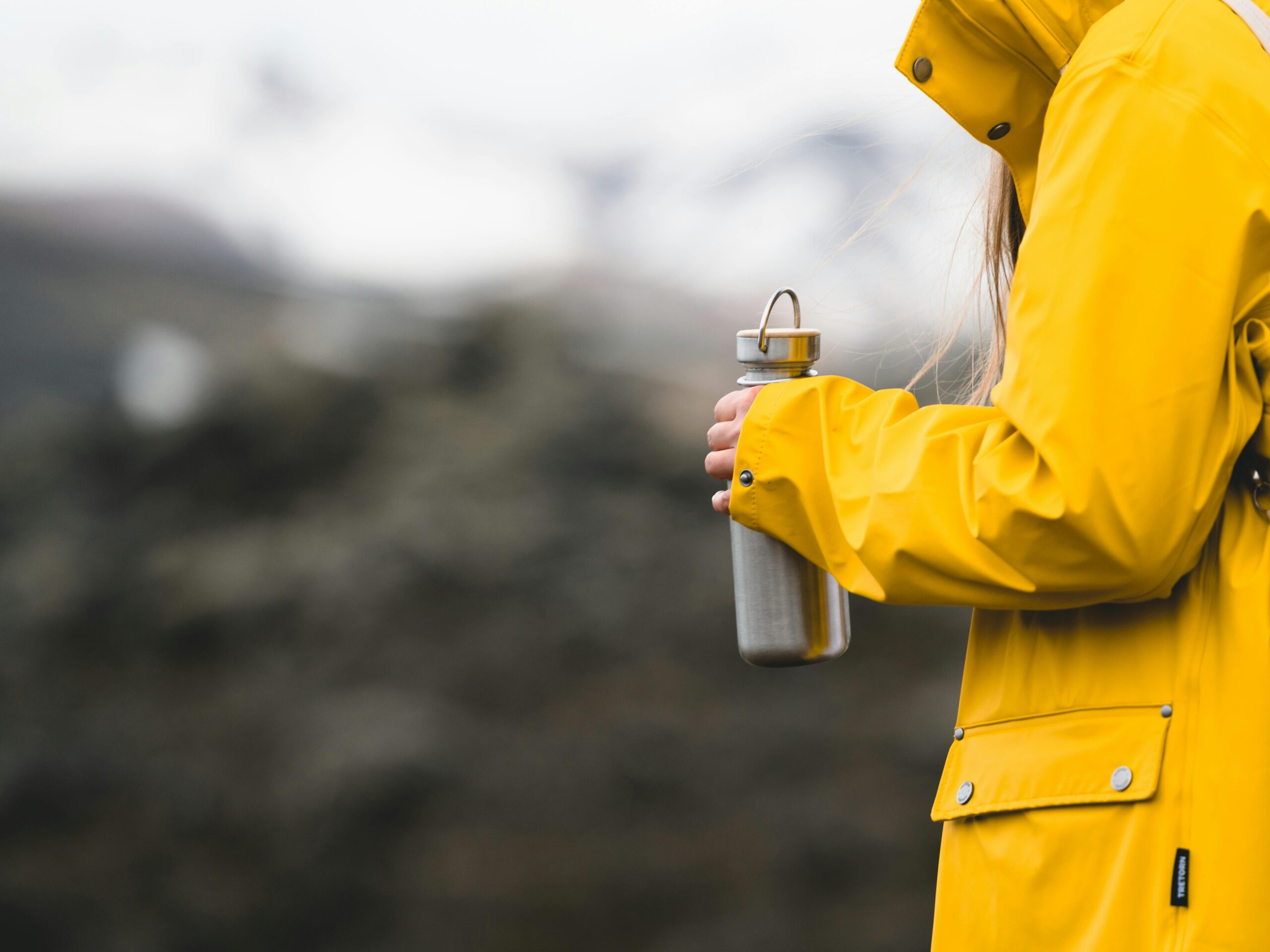
🌟 Embracing the Future of Outdoor Gear
The evolution of sustainable outdoor jackets continues accelerating as new materials, manufacturing processes, and design philosophies emerge. Biodegradable synthetics, carbon-negative production methods, and circular economy models promise even lower environmental impacts without performance compromises. Modular designs with replaceable components may soon allow updating specific features rather than replacing entire jackets.
Digital integration offers intriguing possibilities. Embedded sensors could monitor environmental conditions and body metrics, providing real-time feedback to optimize layering decisions. Smartphone connectivity might enable activity tracking, location sharing for safety, or even fabric adjustments for enhanced climate control. These innovations must balance useful functionality against additional resource consumption and electronic waste concerns.
Most importantly, the sustainable outdoor movement continues building community among like-minded adventurers who recognize that protecting wild places requires thoughtful choices about how we interact with them. Your jacket becomes more than protection from the elements—it represents a commitment to ensuring future generations inherit landscapes as inspiring as those we explore today. Every adventure taken in gear that respects the environment reinforces the values that make outdoor experiences meaningful beyond simple recreation.
The intersection of style, comfort, sustainability, and performance in modern outdoor jackets reflects a maturing industry responding to sophisticated consumer demands. By choosing thoughtfully designed pieces from genuinely committed brands, outdoor enthusiasts can pursue their passions knowing their gear aligns with their values. The trail forward leads toward increasingly responsible products that enhance both our adventures and our planet’s health—a destination worth reaching together, one conscious choice at a time.
