
Anúncios
The world is louder than ever, and so is our need for silence. But what if your headphones could quiet the noise and honor your values? 🎧
In an era where consumer choices carry moral weight, the intersection of audio technology and ethical manufacturing has created a fascinating new category: noise-canceling headphones designed with conscience at their core. These aren’t just devices that block out unwanted sound—they represent a fundamental shift in how we think about personal technology, sustainability, and mindful consumption.
Anúncios
As we navigate increasingly chaotic soundscapes in our cities, workplaces, and even homes, the demand for quality noise-canceling technology has skyrocketed. Yet alongside this growth, a parallel movement has emerged among conscious consumers who want their purchases to reflect their values. They’re asking difficult questions: Where do these materials come from? Who made these headphones, and under what conditions? What happens to them when they break?
This comprehensive exploration delves into the emerging world of ethical noise-canceling headphones, examining how manufacturers are reimagining every aspect of production—from sustainable materials and fair labor practices to repairability and carbon neutrality—without compromising the acoustic excellence that audiophiles demand.
Anúncios
🌱 The Environmental Cost of Conventional Audio Equipment
Before we can appreciate the innovation happening in ethical audio, we must understand the problem. Traditional headphone manufacturing carries a substantial environmental footprint that most consumers never consider when making a purchase.
The typical pair of wireless noise-canceling headphones contains precious metals like gold, silver, and palladium in their circuit boards, rare earth elements in their speakers, plastics derived from petroleum, and lithium-ion batteries with complex supply chains. Mining these materials often occurs in ecologically sensitive regions, sometimes involving destructive extraction methods that contaminate water sources and destroy habitats.
Manufacturing processes consume enormous amounts of energy, much of it still generated from fossil fuels. The packaging alone—those glossy boxes with foam inserts and plastic wrapping—contributes significantly to waste streams. Then there’s the carbon footprint of global shipping, moving components from multiple countries to assembly facilities and finished products to distribution centers worldwide.
Perhaps most troubling is the issue of electronic waste. The average lifespan of consumer headphones has decreased dramatically, with many models becoming obsolete or non-functional within just two to three years. When batteries degrade or components fail, most headphones end up in landfills rather than being repaired, releasing toxic substances into soil and groundwater.
What Makes Noise-Canceling Headphones “Ethical”? 🤔
The term “ethical” in consumer electronics encompasses multiple dimensions, each addressing different aspects of the production and consumption cycle. Understanding these elements helps consumers make informed decisions aligned with their values.
Sustainable Materials and Sourcing
Ethical headphone manufacturers prioritize materials with lower environmental impact. This includes recycled plastics and metals, bio-based materials derived from renewable sources like plant fibers or algae, and responsibly sourced natural materials like organic cotton for cables or FSC-certified wood for acoustic chambers.
Several pioneering brands now use ocean-bound plastic—waste collected from coastal areas before it enters marine ecosystems—to create headphone housings. Others have developed acoustic foams from recycled fishing nets or castor oil-based bioplastics that offer similar performance to petroleum-based alternatives.
Fair Labor and Manufacturing Transparency
Ethical production extends beyond environmental concerns to encompass human dignity throughout the supply chain. This means fair wages that meet or exceed living wage standards in manufacturing regions, safe working conditions with appropriate protections and reasonable hours, and transparency in supplier relationships with regular third-party audits.
Some manufacturers now publish detailed supply chain maps, allowing consumers to trace components back to their origins. This level of transparency was unthinkable in the electronics industry just a decade ago but is becoming an expectation among conscious consumers.
Longevity and Repairability
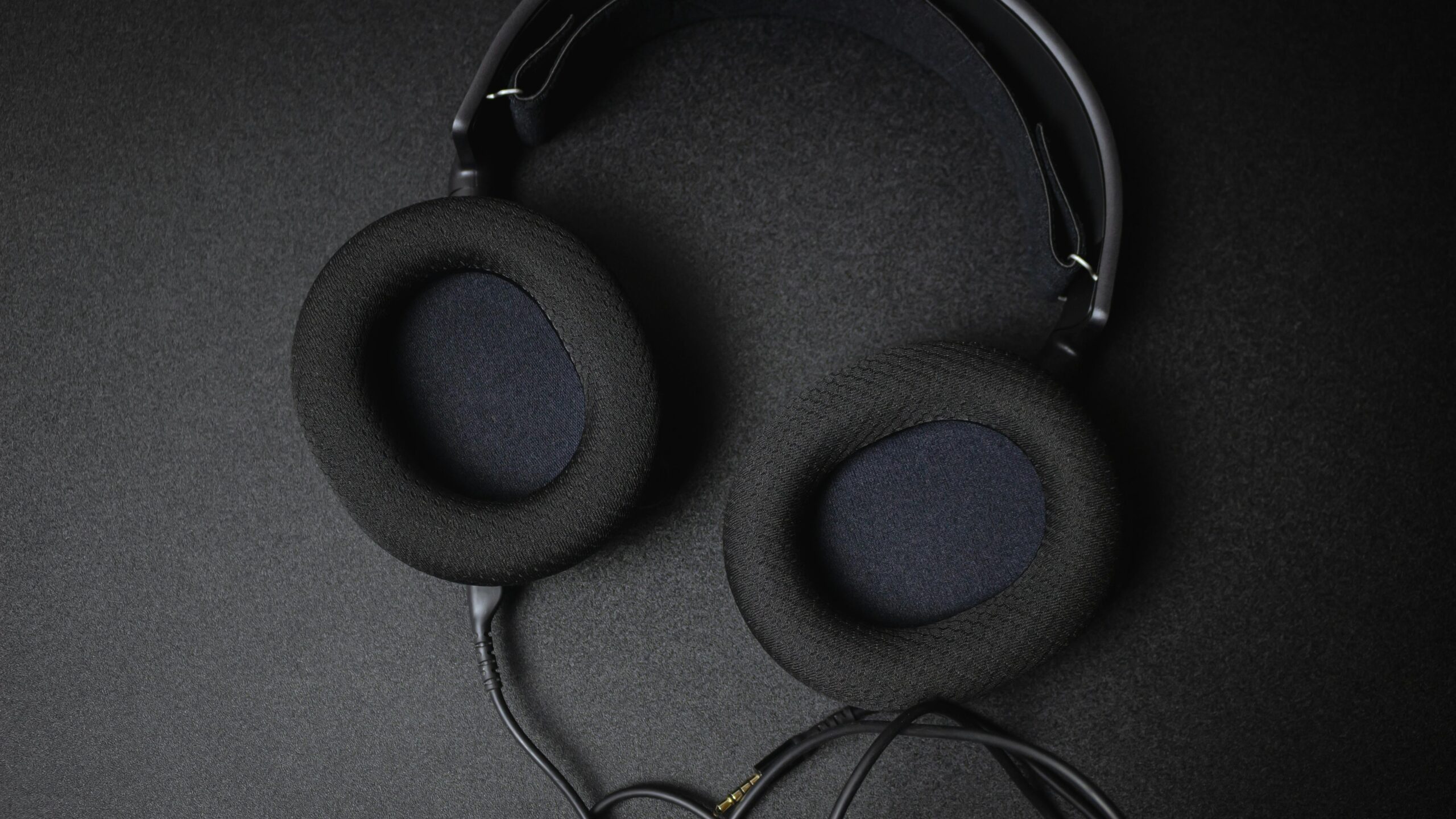
Perhaps the most impactful ethical choice is designing products that last. This philosophy directly challenges the planned obsolescence built into many consumer electronics. Ethical headphones feature modular designs with replaceable components like ear cushions, headbands, cables, and even batteries. Manufacturers provide spare parts and repair guides rather than encouraging disposal and replacement.
The right-to-repair movement has gained significant momentum, with some jurisdictions now legally requiring manufacturers to make repair information and components available to consumers and independent repair shops.
🎵 The Technology Behind Ethical Noise Cancellation
One might wonder whether ethical manufacturing compromises audio quality or noise-canceling performance. The answer is increasingly clear: it doesn’t have to. Innovation in sustainable materials science has reached a point where environmental responsibility and acoustic excellence can coexist.
Active noise cancellation works by using microphones to detect ambient sound, then generating inverse sound waves through the headphone drivers to cancel out unwanted noise. This technology requires sophisticated processing, quality microphones, and precise driver control—none of which inherently requires unsustainable manufacturing.
Some ethical brands have achieved remarkable noise-canceling performance using recycled aluminum in their acoustic chambers, which actually offers superior resonance properties compared to some virgin materials. Bio-based plastics in certain formulations provide excellent acoustic damping for reducing unwanted vibrations.
Battery technology represents one of the most challenging ethical considerations, as lithium mining carries significant environmental and social costs. However, emerging alternatives like sodium-ion batteries and improved recycling programs for lithium cells are beginning to address these concerns. Some manufacturers now offer battery replacement programs, taking back old cells for proper recycling while installing fresh ones.
Leading the Charge: Brands Redefining Audio Ethics 🌍
Several companies have emerged as pioneers in this space, each taking slightly different approaches to ethical audio manufacturing while maintaining uncompromising sound quality.
One European brand has achieved carbon-neutral production by powering its facilities with 100% renewable energy and offsetting remaining emissions through verified reforestation projects. Their headphones feature housings made from 90% recycled materials, and they’ve eliminated all single-use plastics from their packaging, opting instead for recycled cardboard with soy-based inks.
Another manufacturer takes a radical approach to transparency, publishing the exact cost breakdown of their products—showing consumers precisely what they’re paying for materials, labor, manufacturing, shipping, and company margin. This unprecedented openness has built remarkable customer loyalty despite premium pricing.
A California-based startup focuses specifically on modularity, designing noise-canceling headphones where every component can be individually replaced. When the battery degrades after years of use, customers can purchase just the battery module rather than new headphones. When ear cushions wear out, replacement takes seconds without any tools.
The Mindful Listening Movement 🧘
The ethical dimension of these headphones extends beyond how they’re made to how they’re used. A growing community of users approaches noise-canceling technology not as a way to constantly escape their environment, but as a tool for intentional, mindful listening.
This philosophy recognizes that silence itself has value—that creating acoustic space isn’t about filling every moment with content, but sometimes about accessing the increasingly rare experience of quiet contemplation. Noise cancellation becomes a gateway to meditation, deep work, or simply being present without the constant assault of urban soundscapes.
Some ethical headphone brands have partnered with mindfulness apps and meditation teachers to create listening experiences designed not just for entertainment but for wellbeing. These partnerships emphasize quality over quantity, curated soundscapes over endless algorithmic feeds.
Digital Wellbeing Features
In alignment with mindful use, several ethical audio brands incorporate features that encourage healthier relationships with technology. Volume limiters protect hearing health by preventing dangerously loud levels. Usage tracking helps users become aware of listening patterns without judgment. Scheduled breaks remind users to give their ears rest periods, preventing listening fatigue.
Some models include transparency modes that seamlessly blend ambient sound with audio content, allowing users to remain aware of their surroundings—particularly important for safety when walking or commuting. This feature reflects a philosophy that technology should enhance rather than isolate us from the world.
🔧 The Economics of Ethical Audio
Perhaps the most common objection to ethical headphones is price. Quality noise-canceling headphones with strong ethical credentials typically cost more than mass-market alternatives, sometimes significantly so. Understanding this price difference reveals important truths about consumer electronics pricing generally.
Conventional headphones often externalize costs—environmental degradation, unfair labor practices, and short lifespans that generate waste. These hidden costs don’t appear on price tags but represent real impacts that someone, somewhere pays for. Ethical manufacturers attempt to internalize these costs, building them into transparent pricing models.
However, when calculating true cost of ownership, ethical headphones often prove more economical. A pair designed to last a decade with replaceable components costs less over time than buying three or four disposable pairs. The ability to replace a worn cable for $15 rather than buying new $300 headphones represents substantial savings.
Some brands offer trade-in programs, providing credit toward new models when customers eventually upgrade, while ensuring old models are refurbished and resold or properly recycled. This circular economy approach extends product lifecycles and reduces waste while making ethical options more accessible.
Future Innovations on the Horizon 🚀
The ethical audio movement continues to evolve rapidly, with exciting developments emerging from research labs and startups worldwide. These innovations promise to address current limitations while pushing the boundaries of what’s possible in sustainable technology.
Biodegradable electronics represent a fascinating frontier. Researchers are developing circuit boards and components that can safely decompose at end-of-life, eliminating electronic waste concerns entirely. While currently limited to simple devices, this technology may eventually scale to complex audio equipment.
Mycelium—the root structure of mushrooms—is being explored as a sustainable material for acoustic applications. This rapidly renewable material can be grown in specific shapes, requires minimal resources, and offers interesting acoustic properties. Several design schools have created prototype headphones incorporating mycelium components.
Solar charging integration could eliminate the need for frequent plug-in charging, with photovoltaic cells built into headband exteriors capturing ambient light to extend battery life. While not yet practical for full-size headphones, miniaturization continues to improve.
Blockchain-based supply chain verification allows consumers to trace every component’s journey from raw material to finished product, creating unprecedented transparency and accountability. Scanning a QR code could reveal the exact factory where your headphones were assembled, certifications held by suppliers, and carbon footprint of shipping.
Making the Shift: Choosing Your Ethical Audio Path 🛤️
For consumers ready to align their audio choices with their values, several considerations can guide decision-making. First, identify which ethical dimensions matter most to you personally—environmental sustainability, fair labor, repairability, or some combination.
Research specific brands and their claims. Look for third-party certifications like B Corporation status, Fair Trade certification, or Carbon Neutral verification rather than relying solely on marketing language. Many companies make vague sustainability claims without substantive supporting evidence.
Consider your usage patterns and needs. Active commuters require different features than home listeners. If you primarily use headphones at a desk, wired models eliminate battery concerns entirely while often providing superior sound quality. If portability is essential, prioritize battery replaceability in wireless models.
Calculate total cost of ownership rather than just initial price. Factor in expected lifespan, replacement part costs, and warranty coverage. A more expensive pair that lasts twice as long with minimal maintenance costs less than cheap headphones replaced frequently.
Explore the second-hand market. Purchasing refurbished premium headphones from ethical brands extends product lifecycles while making quality more accessible. Many manufacturers now offer certified refurbished programs with warranties comparable to new products.
The Sound of Tomorrow 🔮
The emergence of ethical noise-canceling headphones represents something larger than a product category—it signals a fundamental shift in consumer consciousness and corporate responsibility. As climate concerns intensify and social inequities become increasingly visible, consumers are refusing to separate their values from their purchasing decisions.
Audio companies responding to this demand aren’t simply adding green marketing to existing products. They’re reimagining their entire business models, from material sourcing through end-of-life disposal. This transformation isn’t easy or cheap, but it’s proving both possible and profitable.
The competition between ethical brands drives continuous improvement, with each innovation raising the bar for the industry. Features once considered premium luxuries—like replaceable cables or sustainable materials—are becoming standard expectations. This pressure is gradually influencing even mainstream manufacturers to improve their practices.
For the individual consumer, choosing ethical noise-canceling headphones offers more than just good sound. It provides the satisfaction of knowing that your moment of silence doesn’t come at the cost of environmental degradation or worker exploitation. It means participating in an economy that values longevity over disposability, transparency over obscurity, and quality over quantity.
As technology continues advancing and sustainable manufacturing scales up, the premium for ethical choices will likely decrease. What once required significant financial sacrifice is becoming increasingly accessible. The sound of tomorrow isn’t just clearer and more immersive—it’s conscious, sustainable, and aligned with the kind of world we want to create.
In our noisy, complex world, choosing ethical noise-canceling headphones represents a small but meaningful act of intentionality. It’s a decision that honors both your need for personal acoustic space and your responsibility to the broader ecosystem we all share. That’s the future of mindful listening—where every moment of silence reflects not just what we block out, but what we stand for. 🎧✨
