
Anúncios
In a world saturated with excess, minimalist luxury emerges as the ultimate expression of refined taste, where less truly becomes more in the most sophisticated way.
The contemporary understanding of luxury has evolved dramatically from the ostentatious displays of wealth that characterized previous eras. Today’s discerning individuals recognize that true sophistication lies not in accumulation, but in careful curation. This shift represents a fundamental reimagining of what it means to live well, embracing quality over quantity and intentionality over impulse.
Anúncios
Minimalist luxury aesthetics challenge the conventional notion that more possessions equal greater success. Instead, this philosophy celebrates the beauty of restraint, the power of negative space, and the profound impact of perfectly chosen elements. It’s an approach that honors craftsmanship, values sustainability, and prioritizes experiences that enrich rather than clutter our lives.
The Philosophy Behind Minimalist Luxury ✨
At its core, minimalist luxury represents a paradox that has captivated designers, architects, and lifestyle enthusiasts worldwide. How can something be both minimal and luxurious? The answer lies in understanding that luxury isn’t defined by abundance but by the exceptional quality of what remains when everything superfluous has been stripped away.
Anúncios
This aesthetic philosophy draws inspiration from Japanese concepts like “ma” (negative space) and “wabi-sabi” (finding beauty in imperfection and impermanence). It embraces Scandinavian design principles of functionality and simplicity, while incorporating the timeless elegance found in classical architecture. The result is a universal language of sophistication that transcends cultural boundaries and temporary trends.
The minimalist luxury approach demands discernment. Every element must justify its existence through either function, beauty, or ideally both. This heightened intentionality creates environments and lifestyles that feel simultaneously calming and elevated, simple yet profoundly considered.
Characteristics That Define Minimalist Luxury Living
Understanding the defining features of minimalist luxury helps distinguish it from mere austerity or budget-conscious simplicity. These characteristics work together to create an atmosphere of understated opulence:
Quality Materials and Expert Craftsmanship
In minimalist luxury spaces, materials speak volumes. Natural stone with beautiful veining, hardwoods with rich grain patterns, metals with perfect patinas—these elements become focal points precisely because they aren’t competing with excessive ornamentation. The craftsmanship required to work with such materials at the highest level represents an investment that pays dividends in longevity and timeless appeal.
Italian marble, Japanese joinery, hand-stitched leather, and fine linens with high thread counts exemplify the types of materials favored in this aesthetic. Each possesses inherent beauty that requires no embellishment, allowing the material’s natural characteristics to shine through unobstructed.
Refined Color Palettes 🎨
Minimalist luxury typically employs restrained color schemes that create visual harmony and tranquility. Neutral foundations—whites, creams, grays, and earth tones—dominate, occasionally punctuated by carefully chosen accent colors. This doesn’t mean minimalist spaces lack warmth; rather, the subtle variations within the neutral palette create depth and interest without visual noise.
The psychology behind these color choices is deliberate. Neutral palettes reduce cognitive load, creating spaces where the mind can rest. They also provide a sophisticated backdrop that allows architectural features, natural light, and select furnishings to command attention.
Thoughtful Spatial Design
Perhaps nothing defines minimalist luxury more than the generous use of space. In an era where urban real estate comes at a premium, the ability to leave space open and uncluttered represents the ultimate luxury. High ceilings, expansive windows, and unobstructed sightlines create a sense of freedom and possibility.
This approach to spatial design recognizes that emptiness isn’t wasted space—it’s breathing room that allows us to think clearly, move gracefully, and experience our environments fully. The Japanese concept of “ma” teaches us that the space between objects is as important as the objects themselves.
Implementing Minimalist Luxury in Your Home 🏠
Transforming your living space to embrace minimalist luxury doesn’t require gutting your home or spending extravagantly. It’s a thoughtful process of editing, upgrading, and reimagining how you interact with your environment.
The Art of Curation
Begin by examining every item in your space with fresh eyes. Ask whether each piece serves a purpose, brings you joy, or contributes to the aesthetic you’re cultivating. This isn’t about ruthless purging but thoughtful evaluation. Some items will reveal themselves as truly valuable, while others that once seemed important may no longer serve your evolving vision.
Display only what deserves to be seen. A single exceptional piece of art commands more attention and respect than a gallery wall of mediocre prints. One sculptural vase filled with fresh branches makes a stronger statement than a collection of decorative objects competing for attention.
Investment Pieces Worth Considering
When building a minimalist luxury aesthetic, certain investments yield disproportionate returns in terms of impact and longevity:
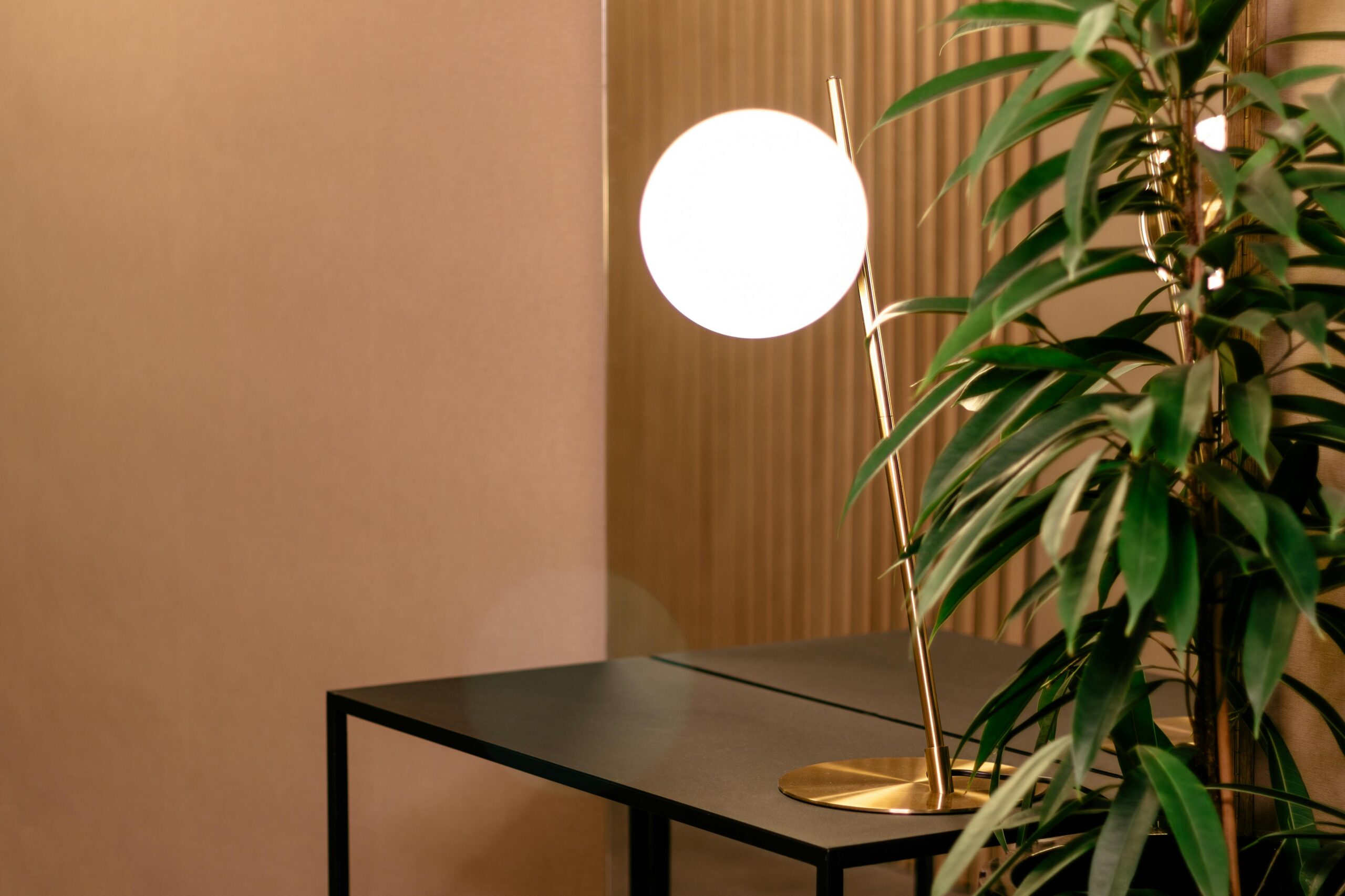
- Statement lighting: A sculptural chandelier or architecturally significant floor lamp becomes functional art that defines a space
- Quality seating: A designer sofa or iconic chair in premium upholstery provides both comfort and visual impact for decades
- Custom storage solutions: Built-in cabinetry that conceals clutter while maintaining clean lines is essential for maintaining minimalist aesthetics
- Premium bedding and textiles: The sensory luxury of fine linens and cashmere throws elevates everyday experiences
- Architectural upgrades: Replacing standard doors with floor-to-ceiling versions or upgrading fixtures throughout creates cohesive sophistication
The Power of Negative Space
Learning to appreciate and utilize negative space represents a fundamental shift in how most people approach interior design. Western design traditions often emphasize filling spaces, while minimalist luxury finds power in restraint. Allow surfaces to remain largely clear. Resist the urge to fill every corner. Give each significant piece room to be appreciated on its own merits.
This approach extends beyond physical objects to include visual weight. Even in choosing art or decorative elements, consider how they interact with the surrounding space. A piece that incorporates significant negative space within its composition amplifies the overall minimalist aesthetic.
Minimalist Luxury in Fashion and Personal Style 👔
The principles of minimalist luxury extend seamlessly into personal style, where they manifest as capsule wardrobes, investment pieces, and a refined approach to self-presentation that prioritizes quality and fit over trends and quantity.
Building a Curated Wardrobe
A minimalist luxury wardrobe consists of impeccably made classics in premium fabrics and perfect proportions. The goal isn’t to own fewer clothes out of necessity but to maintain only pieces you genuinely love and wear regularly. This approach eliminates decision fatigue while ensuring you always look polished and intentional.
Focus on timeless silhouettes that flatter your specific body type. A perfectly tailored blazer, well-fitted trousers, quality knitwear in versatile colors, and shoes that balance comfort with elegance form the foundation. Each piece should work harmoniously with others, creating numerous outfit possibilities from a limited selection.
The Luxury of Simplicity
There’s remarkable sophistication in the woman who wears a simple white silk shirt with tailored trousers and minimal jewelry, or the man in a perfectly fitted navy suit with a quality watch as his only accessory. These looks communicate confidence, taste, and an understanding that true luxury doesn’t need to announce itself loudly.
This aesthetic celebrates exceptional fit, premium materials, and attention to detail over logos and obvious branding. It’s about the weight and drape of cashmere, the patina of vegetable-tanned leather, and the precision of expert tailoring—elements that discerning eyes recognize and appreciate.
The Intersection of Sustainability and Minimalist Luxury 🌿
One of the most compelling aspects of minimalist luxury is its natural alignment with sustainable practices. By prioritizing quality over quantity and longevity over trends, this aesthetic philosophy supports environmental responsibility while maintaining uncompromising standards of excellence.
Conscious Consumption
Minimalist luxury encourages thoughtful purchasing decisions. Rather than impulse buying multiple inexpensive items that quickly wear out or fall out of favor, this approach advocates saving for fewer, better pieces that will serve you for years or even decades. This patient accumulation reduces waste while building genuine value.
Many luxury brands committed to minimalist aesthetics have embraced sustainable production methods, recognizing that their clientele values environmental stewardship. These companies invest in responsible sourcing, fair labor practices, and manufacturing processes that minimize environmental impact—factors that enhance rather than detract from the luxury experience.
Timelessness as Sustainability
Perhaps the most sustainable choice is selecting items designed to transcend temporary trends. A classic Eames lounge chair remains as relevant today as when Charles and Ray Eames designed it in 1956. A beautifully crafted solid wood dining table can serve multiple generations. These pieces represent the antithesis of disposable culture, embodying both minimalist aesthetics and environmental responsibility.
Creating Minimalist Luxury Experiences
The minimalist luxury philosophy extends beyond physical possessions to encompass experiences, travel, and how we choose to spend our time. This holistic approach recognizes that true richness comes from meaningful engagement with the world around us.
Mindful Living Practices
Minimalist luxury in daily life might mean choosing a morning ritual of exceptional coffee prepared with care over rushed convenience, or dedicating space for meditation and reflection rather than filling every moment with activity. It’s about creating margin in your schedule for spontaneity and rest—luxuries that no amount of money can buy if you’ve committed every minute to obligations.
These practices cultivate presence and appreciation. When you’re not overwhelmed by excess possessions or commitments, you can fully engage with what you have and what you’re doing. This quality of attention transforms ordinary moments into experiences of genuine luxury.
Travel and Hospitality
In the hospitality industry, minimalist luxury hotels have redefined what it means to provide exceptional guest experiences. Properties like Aman Resorts and Hoshinoya exemplify this aesthetic, offering serene environments, impeccable service, and thoughtful amenities without unnecessary ornamentation or excess.
These destinations understand that luxury travelers increasingly value tranquility, authenticity, and space over gilded excess. Rooms feature carefully selected furnishings, natural materials, and designs that highlight rather than compete with surrounding landscapes. Every detail serves a purpose, and nothing extraneous disturbs the peaceful atmosphere guests seek.
Overcoming Common Misconceptions 💭
Despite its growing popularity, minimalist luxury is sometimes misunderstood. Addressing these misconceptions helps clarify what this aesthetic truly represents.
Minimalism Doesn’t Mean Deprivation
Critics sometimes characterize minimalism as joyless or austere, but minimalist luxury is anything but depriving. It’s about surrounding yourself with things you truly love rather than accumulating possessions that don’t serve or delight you. The goal is richness of experience, not emptiness.
Luxury Doesn’t Require Excess
Traditional luxury marketing often equated value with volume—more embellishments, more features, more everything. Minimalist luxury challenges this assumption, demonstrating that restraint exercised with skill and vision creates more impactful results than abundance applied without discernment.
Minimalist Spaces Can Feel Warm
Another common misconception is that minimalist interiors feel cold or unwelcoming. Well-executed minimalist luxury spaces achieve warmth through texture, natural materials, appropriate lighting, and the careful calibration of proportions. The absence of clutter creates calm, not coldness, especially when balanced with organic elements like wood, stone, and textiles.
Practical Steps Toward Minimalist Luxury Living
Embracing this aesthetic is a journey rather than a destination. These practical steps help you begin or deepen your practice of minimalist luxury:
Start with one room or category. Attempting to transform your entire life overnight leads to overwhelm and burnout. Choose a single space—perhaps your bedroom or closet—and apply minimalist luxury principles there first. Experience the benefits before expanding to other areas.
Establish quality standards. Define what “quality” means for different categories in your life. For clothing, it might be natural fibers and expert construction. For furniture, solid wood and time-tested joinery techniques. These standards guide future purchases and help you evaluate current possessions.
Practice the one-in-one-out rule. When bringing something new into your space, commit to removing something existing. This maintains equilibrium and forces thoughtful consideration before acquiring new items.
Invest in experiences alongside objects. Allocate resources to travel, learning, and activities that create memories and personal growth. These intangible luxuries often provide more lasting satisfaction than physical possessions.
Regularly reassess and refine. Your needs and preferences evolve, and your space should too. Schedule quarterly reviews of your possessions and environment, removing what no longer serves you and identifying opportunities for thoughtful upgrades.
The Future of Luxury Lies in Less
As we move further into the 21st century, the minimalist luxury aesthetic shows no signs of fading. If anything, it’s gaining momentum as more people recognize the freedom that comes from living with less but better, and as environmental concerns make excessive consumption increasingly untenable.
This approach to luxury honors both traditional craftsmanship and contemporary values. It bridges the past’s appreciation for quality with the present’s demand for sustainability and the future’s need for mindful resource use. In doing so, it offers a template for sophisticated living that feels both timeless and urgently relevant.
The elegance of less isn’t about sacrifice—it’s about clarity. It’s choosing precisely what adds value to your life and having the confidence to release everything else. This selective curation creates space for what truly matters: beauty, quality, meaningful connection, and the quiet confidence that comes from knowing your choices reflect your deepest values rather than external pressures or temporary trends.
Embracing minimalist luxury aesthetics means redefining sophistication on your own terms. It’s recognizing that you don’t need to prove your worth through accumulation, that true luxury whispers rather than shouts, and that in our crowded, noisy world, the courage to choose less represents the ultimate expression of refined taste and personal power.
