
Anúncios
Traveling offers more than scenic views—it’s a gateway to authentic cultural connections and meaningful purchases that empower local communities worldwide.
When you step off the beaten path and into a local artisan’s studio, you’re not just buying a product. You’re participating in a centuries-old tradition, supporting a family’s livelihood, and taking home a piece of authentic culture that no mass-produced souvenir can replicate. Supporting local artisans while traveling creates a ripple effect of positive change that transforms both communities and your travel experience.
Anúncios
The global handmade market continues to thrive despite—or perhaps because of—our increasingly digital world. Travelers are actively seeking genuine connections and unique items that tell stories, moving away from generic tourist traps toward meaningful exchanges with skilled craftspeople. This shift represents more than a trend; it’s a movement toward conscious travel and sustainable tourism.
🌍 Why Supporting Local Artisans Transforms Travel Experiences
Purchasing from local artisans fundamentally changes your relationship with the places you visit. Instead of being a passive observer, you become an active participant in preserving cultural heritage. Every handwoven textile, hand-thrown ceramic piece, or intricately carved wooden item represents hours of dedicated craftsmanship and generations of inherited knowledge.
Anúncios
Local artisans often work with traditional techniques passed down through families, creating products that reflect regional identity and cultural values. When you buy directly from these creators, you’re ensuring that these skills survive into future generations. Many artisan communities face economic pressures that threaten their traditional ways of life, and tourism dollars spent wisely can provide the financial stability needed to continue their craft.
The environmental benefits are equally compelling. Locally made handicrafts typically have a minimal carbon footprint compared to mass-produced items shipped globally. Artisans often use sustainable materials sourced from their immediate environment, working with natural dyes, local woods, indigenous fibers, and recycled materials in ways that respect ecological balance.
🔍 How to Identify Authentic Artisan Products
Distinguishing genuine handcrafted items from factory-made imitations requires a discerning eye. Authentic artisan work displays subtle imperfections that reveal the human hand behind the creation. These “flaws” are actually signatures of authenticity—slight variations in pattern, irregular spacing, or unique color variations that machines can’t replicate.
Observe the details carefully. Hand-stitched textiles show slight irregularities in stitch length. Hand-painted ceramics reveal brush strokes and color variations. Carved wood displays tool marks and natural grain patterns. These characteristics indicate genuine craftsmanship rather than mass production.
Ask questions about the creation process. Authentic artisans love discussing their work and can explain techniques, materials, and the time required for production. They’ll often demonstrate their craft or show you their workshop. This transparency is a hallmark of legitimate artisan work.
Red Flags for Mass-Produced Items
Be cautious when you see identical items in multiple shops across different regions. Genuine handicrafts are unique, even when following traditional patterns. Perfect symmetry and flawless repetition typically indicate machine production. Suspiciously low prices often signal mass production rather than handmade quality.
Synthetic materials marketed as natural are another warning sign. Learn to recognize authentic materials—real leather has a distinctive smell and texture, genuine wool feels different from acrylic, and natural dyes show subtle color variations unlike chemical alternatives.
🗺️ Where to Find Local Artisans During Your Travels
Discovering authentic artisans requires moving beyond tourist-saturated areas. Local markets remain excellent starting points, particularly those frequented by residents rather than exclusively tourists. Visit markets early in the morning when locals shop, and you’ll find more authentic vendors and better opportunities for genuine interactions.
Community cooperatives and artisan collectives provide direct access to multiple craftspeople in one location. These organizations often focus on fair trade practices and community development, ensuring your purchases genuinely support local economies. Many cooperatives offer workshops where you can learn traditional techniques directly from master artisans.
Rural villages and smaller towns typically offer more authentic artisan experiences than major tourist destinations. Consider arranging homestays or guided tours with local community members who can introduce you to artisans in their networks. These personal connections often lead to the most meaningful encounters and exceptional finds.
Digital Platforms Connecting Travelers with Artisans
Technology now bridges the gap between travelers and local craftspeople. Several platforms help you locate authentic artisans before and during your travels. Research online communities, social media groups, and specialized apps that connect conscious travelers with verified local makers.
Instagram has become an invaluable tool for discovering artisans worldwide. Search location-specific hashtags combined with craft terms to find makers in your destination. Many artisans maintain active social media presences, showcasing their work and welcoming visitors to their studios by appointment.
💡 Building Meaningful Connections with Artisan Communities
Approaching artisan interactions with respect and genuine curiosity creates transformative experiences for both travelers and craftspeople. Learn basic greetings in the local language—this small effort demonstrates respect and often opens doors to deeper conversations. Show genuine interest in their craft by asking thoughtful questions about techniques, inspiration, and cultural significance.
Photography etiquette matters significantly. Always ask permission before photographing artisans or their work. Some communities have cultural or spiritual reasons for limiting photography. Respect these boundaries without question. When permission is granted, consider sharing photos with the artisans afterward or tagging them appropriately on social media to help promote their work.
Time is valuable for craftspeople who earn their living through production. If you’re not seriously considering a purchase, be mindful about how much time you’re taking. However, when you do buy, allow adequate time for meaningful exchange. Rushing transactions misses the opportunity for cultural connection that makes artisan purchases special.
Workshop Participation and Cultural Exchange
Many artisans offer workshops teaching traditional techniques to interested travelers. These hands-on experiences provide profound appreciation for the skill, time, and effort required for handicraft production. Whether you’re learning to throw pottery, weave textiles, or carve wood, participatory experiences create lasting memories and deeper cultural understanding.
Workshop participation also provides fair compensation to artisans for sharing their knowledge. Class fees represent important income streams that support traditional craft preservation. Plus, you’ll create your own unique (if imperfect) souvenir with a story you’ll share for years.
🛍️ Smart Purchasing Strategies That Benefit Everyone
Negotiation practices vary culturally, and understanding local customs prevents unintentional offense. In some cultures, bargaining is expected and enjoyable; in others, it’s considered disrespectful. Research local norms before your trip, and when in doubt, ask fellow travelers or your accommodations host about appropriate practices.
When bargaining is customary, approach it respectfully and good-naturedly. Remember that artisans deserve fair compensation for skilled work. Extreme haggling that drives prices to unsustainable levels undermines artisan livelihoods. Consider the hours of work invested and the artist’s need to earn a living wage.
Quality justifies higher prices. Exceptional craftsmanship, rare materials, and intricate techniques warrant premium pricing. Don’t let sticker shock from mass-market conditioning prevent you from fairly compensating master artisans for extraordinary work.
Payment Methods and Fair Compensation
Cash remains king in many artisan communities with limited banking infrastructure. Carry appropriate local currency in small denominations. Some artisans now accept digital payments or international transfer services, but don’t assume this availability without asking.
Consider the true value exchange. That handwoven textile might seem expensive compared to fast fashion, but consider the weeks of work invested. Calculate the hourly rate—you’ll often find artisans earn less than minimum wage even at prices that seem high to tourist budgets.
📦 Practical Tips for Transporting Artisan Treasures Home
Fragile purchases require careful packing strategies. Many artisans offer basic wrapping, but international travel demands additional protection. Purchase bubble wrap or packing materials at local shops, supporting more local businesses while protecting your treasures. Consider shipping particularly delicate or large items rather than risking damage in checked luggage.
Research customs regulations before purchasing. Some countries restrict exporting antiques, certain woods, animal products, or cultural artifacts. Verify that your purchases comply with both export regulations from your destination and import rules in your home country. Request receipts and documentation proving items are newly crafted rather than antiques if relevant.
Weight restrictions on flights can surprise travelers with heavy ceramic, stone, or wood purchases. Weigh items when possible and calculate remaining baggage allowance. Sometimes shipping costs less than excess baggage fees while ensuring safer transport.
🌟 The Ripple Effect: Long-Term Community Impact
Your artisan purchases create impacts far beyond the immediate transaction. Financial support enables artisans to invest in materials, tools, and training. Many craftspeople employ family members or apprentices, multiplying the economic benefit of each sale throughout the community.
Economic stability allows artisans to preserve traditional techniques rather than abandoning crafts for more lucrative but less culturally significant work. Your purchases validate the cultural and economic value of traditional skills, encouraging younger generations to learn these crafts rather than letting them disappear.
Communities with thriving artisan sectors often develop better infrastructure, education, and healthcare as craft income supplements agricultural or other traditional livelihoods. This diversified economic base creates more resilient communities better able to weather economic challenges.
Beyond the Purchase: Continued Support
Your support doesn’t end when you leave. Share your artisan discoveries with friends, family, and social media followers. Tag artisans in posts, write reviews on travel platforms, and recommend specific craftspeople to travelers heading to those destinations. This word-of-mouth marketing provides invaluable exposure for artisans with limited advertising budgets.
Some travelers maintain ongoing relationships with artisans, commissioning custom pieces or facilitating sales to friends back home. These sustained connections provide predictable income that helps artisans plan for the future and invest in their businesses.
✈️ Region-Specific Artisan Traditions Worth Seeking
Every destination offers unique artisan traditions reflecting local culture, available materials, and historical influences. Southeast Asia excels in textile arts, with batik in Indonesia, silk weaving in Thailand, and intricate embroidery in Vietnam. Each region’s textiles tell stories through patterns, colors, and techniques specific to ethnic groups and geographic areas.
Latin America boasts incredible pottery traditions, from colorful Mexican Talavera to rustic Peruvian ceramics. Textile arts flourish here too, with Guatemalan backstrap weaving, Peruvian alpaca knits, and Mexican embroidered textiles representing just a fraction of the region’s rich craft heritage.
African artisans create stunning beadwork, basketry, and wood carvings with deep cultural significance. Moroccan leatherwork, West African textiles, and East African jewelry showcase the continent’s diverse artistic traditions. Each piece connects to cultural practices, ceremonies, or daily life in ways that make them far more than decorative objects.
European artisan traditions include Italian glasswork, French pottery, Scandinavian woodcraft, and countless regional specialties. These crafts often trace lineages back centuries, with techniques refined through generations of master craftspeople.
🤝 Ethical Considerations and Responsible Tourism
Cultural appropriation concerns arise when purchasing sacred or ceremonially significant items. Some objects hold spiritual meanings inappropriate for casual ownership by outsiders. When in doubt, ask artisans whether items are suitable for non-community members to purchase. Respect their guidance without question.
Environmental sustainability should inform your purchases. Favor artisans using renewable, sustainably harvested materials over those using endangered woods, threatened animal products, or environmentally destructive materials. Ask about material sources and choose craftspeople demonstrating environmental consciousness.
Child labor unfortunately exists in some craft sectors. Be alert for signs that children are involved in production beyond age-appropriate family assistance with small tasks. Supporting businesses that exploit child labor perpetuates harmful practices regardless of product beauty.
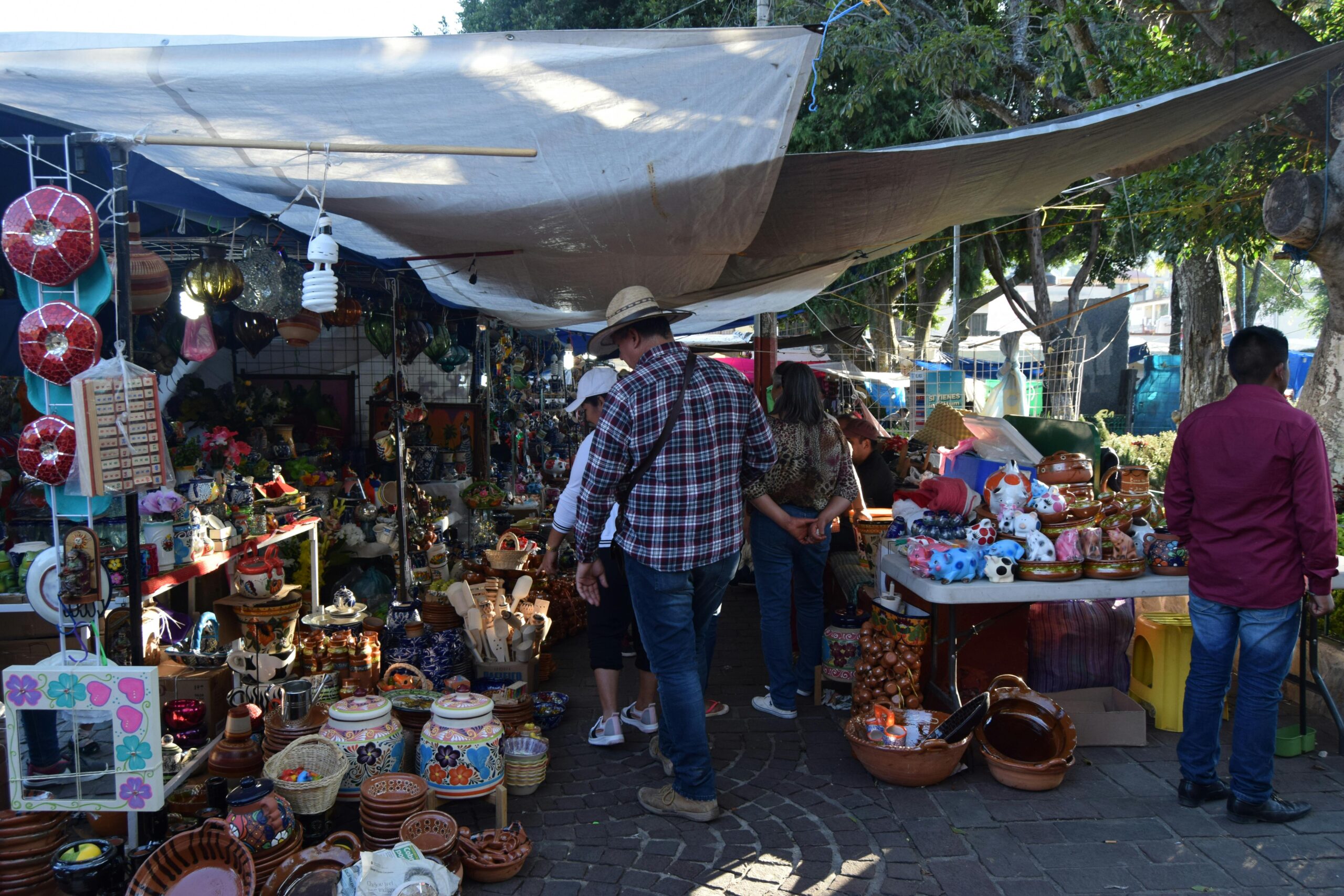
💫 Creating Your Personal Collection of Travel Memories
Artisan purchases become tangible connections to travel experiences long after trips end. Unlike mass-produced souvenirs that could come from anywhere, authentic handicrafts evoke specific memories of places, conversations, and cultural exchanges. Display your collection thoughtfully, allowing each piece to remind you of the artisan who created it and the community you visited.
Document your purchases with photos of the artisans, their workshops, and the creation process when possible. These images transform objects into stories you can share, educating others about the cultural contexts and skilled hands behind beautiful items. Consider keeping a travel journal recording where you purchased items, artisan names, and conversation highlights.
Your artisan collection tells your travel story uniquely. Unlike identical souvenirs found in every tourist shop, your curated collection reflects your specific journey, interests, and the authentic connections you made. These pieces become heirlooms carrying cultural and personal significance that grows over time.
Supporting local artisans while traveling enriches your experiences immeasurably while creating positive change in communities worldwide. Each purchase represents a choice to prioritize cultural preservation, environmental sustainability, and economic justice over convenient consumerism. The treasures you discover become more than possessions—they’re bridges between cultures, preservers of traditions, and catalysts for community empowerment. Your next journey holds countless opportunities to make meaningful connections, discover extraordinary craftsmanship, and bring home pieces of authentic culture that will inspire conversation and admiration for years to come. 🌏
